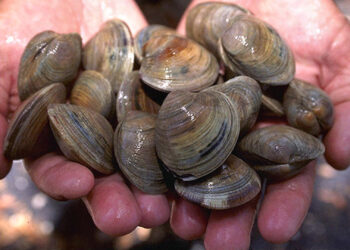
Improving Florida water quality, one clam at a time
Clam farmers deliver valuable ecosystem services by installing one of nature’s water filtration systems.


Clam farmers deliver valuable ecosystem services by installing one of nature’s water filtration systems.

Enhanced nutrient-reducing septic systems are designed to reduce excess nitrogen pollution.
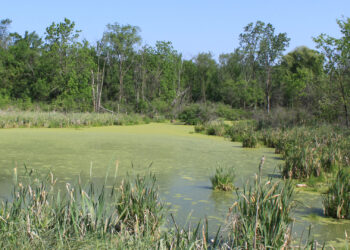
Most septic systems were never designed to remove nitrogen, a nutrient that fuels algae growth.
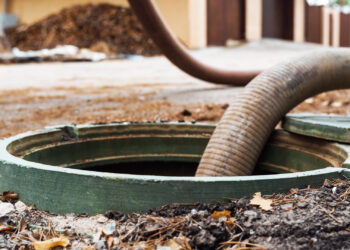
The nutrients in effluent from these systems contribute to harmful algal blooms that affect people and wildlife.
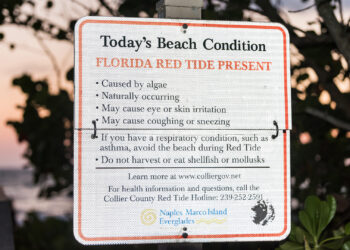
Even in years with smaller blooms, the health and financial impacts can be severe.
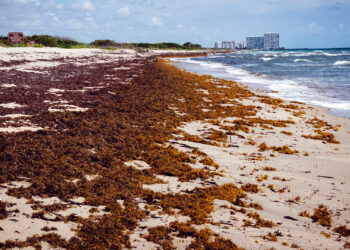
More than half a million Floridians work in ocean-related sectors, contributing nearly $40 billion to the state’s GDP.
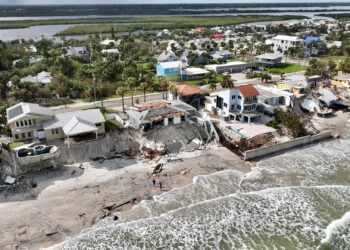
By respecting both nature's power and economic realities, we can chart a course that keeps Florida thriving.

Red tide can cause respiratory irritation, fish kills and make coastal waters dangerous to swim in.
Florida’s Gulf Coast reels from economic fallout after tough red tide season.
Billions of dollars in proposed NOAA cuts would make it difficult to prevent and mitigate red tide impacts.