


By Sonali Kolhatkar, OtherWords.org
Our world is awash in plastic. From single-use water bottles and food packaging to synthetic clothes, shoes and even nail polish, our overreliance on plastic is spreading a toxic, chemical-laden material all over the planet — including in our own bodies.
Most Americans are sick of plastic use, but manufacturers continue to push the product on us. This holiday season, is it possible to have a plastic-free celebration?
There’s no substitute for systemic policy change to regulate plastic use, but individual actions on a mass scale can have an impact. They can also be a dinner table conversation, potentially spurring cultural shifts and inspiring local activism.
“None of us voted for more plastic,” says Judith Enck, founder and president of Beyond Plastics. Enck, who served as regional administrator at the Environmental Protection Agency in 2009, adds that “the reason we have so much plastic is because there is a glut of fracked gas on the market.”
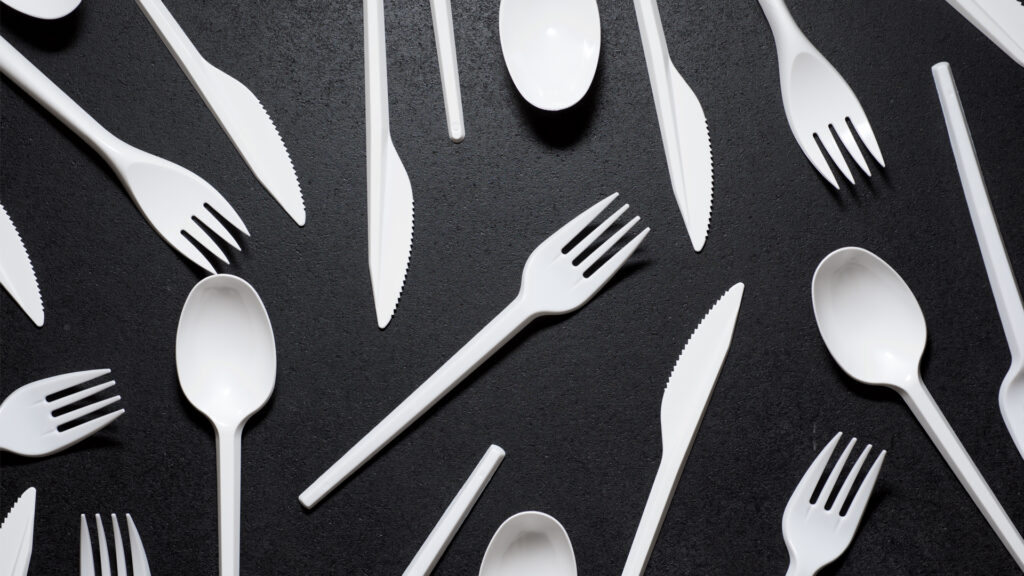
Enck says it’s entirely possible to have a plastic-free holiday season. She suggests forgoing disposable dinnerware for your Christmas, Hannukah, or Kwanzaa meal. “You can rent glassware and plates and beautiful reusable tablecloths and napkins from local vendors,” she says.
The food at your holiday dinner table needn’t come packaged in plastic either. Challenge yourself to purchase ingredients from your local farmers market using cotton tote bags. Produce that is locally grown is generally seasonal, tastier, has a lower carbon footprint and is often pesticide-free or organic.
Purchase drinks for your holiday dinner in glass bottles. Most wine is already sold in glass, but even for teetotalers, it’s entirely possible to purchase drinks packaged in glass bottles or cardboard boxes.
According to Enck, “materials like paper, cardboard, metal and glass… can be made of recycled material and actually does get recycled when you put it in your recycling bin” — unlike plastic. Most plastic is never recycled, no matter how diligent you are about cleaning and disposing of it in your recycling bins.
Gift-giving is particularly fraught with plastic. Mass-produced toys, clothes and gadgets are either made from plastic or wrapped in it. Enck’s organization offers a handy online guide for plastic-free gifting, like giving memberships in a Community Supported Agriculture (CSA) program. Most local communities, including cities, have local farmers who offer such memberships.
“Consider giving experiences rather than material products,” she adds, like “taking little kids to a matinee movie, giving your aunts and uncles tickets to a concert or a play, or giving busy parents a couple coupons that you’ll go and babysit their kids on a Saturday night.”
Memberships to museums, botanical gardens and zoos are also excellent alternatives to plastic products. A gift certificate for a massage or yoga class for a busy working parent is likely to be received with far more gratitude than yet another trinket they don’t need.

If you feel compelled to buy a product, there are sustainable alternatives. Consider shopping at a thrift store to give an old product new life and save it from the landfill. (Vintage items are always fashionable!) Find your local “Buy Nothing” groups and post a request for lightly used items as gifts.
If you must purchase new gifts, consider plastic-free options. Clothing in particular can be sustainable if it’s made with natural fibers such as cotton, wool, or silk. Avoid clothes with labels marked polyester, poly-blend, nylon, acrylic, or microfiber. Synthetic clothes are notorious for shedding microplastics that end up in our blood stream and oceans.
Remember to use recyclable gift wrap, wrapping paper alternatives like tea towels or old cookie tins, or simply reuse last year’s wrapping.
Most importantly, make your plastic-free (or plastic-light) holiday a talking point at the dinner table and when exchanging gifts. These conversations can lead to real change: Regulations such as California’s new plastic bag ban and Georgia’s plastic food packaging ban are set to take effect next year, and are the result of dedicated public activism.
Make a New Year’s resolution to commit to political action against plastic in 2026.
Sonali Kolhatkar is host and executive producer of Rising Up With Sonali, an independent, subscriber-based syndicated TV and radio show. She’s an award winning journalist and author of “Talking About Abolition: A Police Free World is Possible,” and “Rising Up: The Power of Narrative in Pursuing Racial Justice.” This op-ed was distributed by OtherWords.org. Banner photo: Plastic waste (iStock image).
Sign up for The Invading Sea newsletter by visiting here. To support The Invading Sea, click here to make a donation. If you are interested in submitting an opinion piece to The Invading Sea, email Editor Nathan Crabbe.
