


By Cynthia Bressan, Tikkun Economic Consulting
For nearly a century, gross domestic product has been treated as the main measure of progress, but relying on it alone is now an outdated approach. Modern economic growth is shifting away from dependence on non-renewable resources toward responsible stewardship, recognizing that a healthy planet and society underpin a strong economy.
Sustainability is no longer a cost; it drives innovation, efficient infrastructure, new markets, job creation, accountability, stronger brands, risk reduction, investment, healthier communities and growing demand from consumers and investors. A growing number of cities and countries around the world are actively prioritizing sustainability policies that address new consumption changes, while ensuring the preservation of finite resources and a more conscious use of renewable ones.
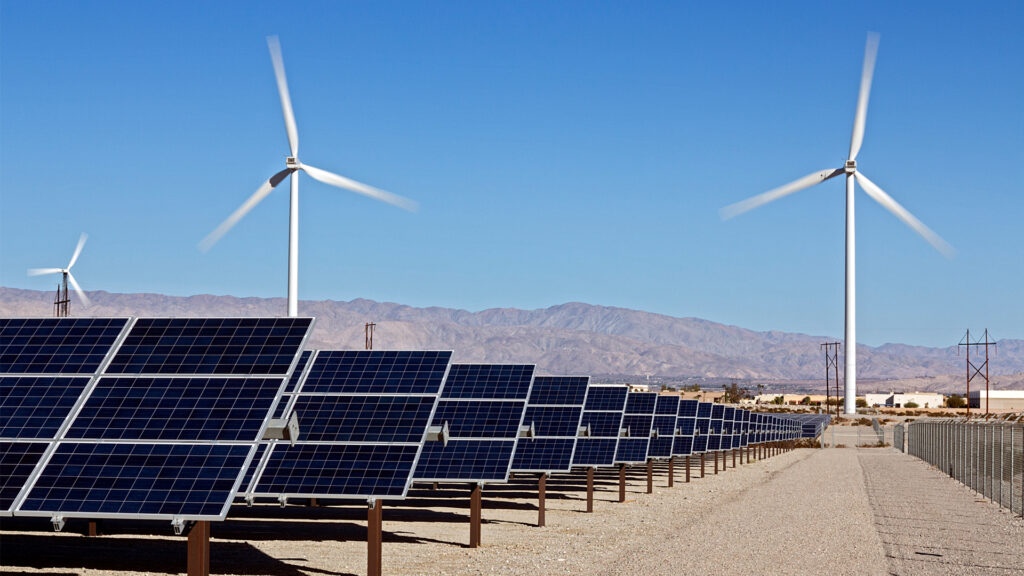
California is one example worth highlighting in this discussion. Its historic investments over the past 15 years have enabled the state to be powered by nearly two-thirds clean energy, contributing, among other indicators, to strong job creation and economic resilience. According to the International Monetary Fund’s 2024 World Economic Outlook, California’s economy continues to lead and grow at a faster rate than the world’s top economies, surpassing the United States, Japan, China and Germany. The long-held assumption that economic growth and sustainability are mutually exclusive appears to fall apart in this case, as well as in many others we can observe around the world.
This context offers an important lens for examining Florida, a state experiencing significant economic growth, demographic expansion and increasing environmental pressures. The Sunshine State’s economy is primarily driven by real estate and tourism, sectors that face important sustainability challenges, particularly from the demand side. Demand ultimately shapes industries’ practices more strongly than supply, as consumer preferences, population growth and investor priorities determine what types of housing, infrastructure and services are built, financed and scaled.
The strong contribution of real estate (rental and leasing) to Florida’s gross state product (GSP) – estimated at approximately $265.5 billion in 2024 – must be sustained. The sector will need to align with the shifting priorities of global real estate consumers. Customers increasingly demand energy-efficient features, are willing to pay more for sustainable and certified properties, and place greater value on health, well-being and access to renewable energy. They also look beyond individual homes to community amenities, green spaces, gardens and efficient transit, and are more attentive to climate risks and the long-term resilience of their investments.
Tourism generated $133.6 billion in economic activity in 2024, about 8% of Florida’s GSP, and the state reached a record 142.9 million visitors. The sector is increasingly shaped by changing traveler behavior. Recent 2025 data shows that 53% of tourists now consider the social and environmental impact of their trips. The tourism data analytics platform Travellyze also noted in 2024 consistent growth in sustainable choices among European visitors, Florida’s largest overseas market, including opting for greener transportation, paying more for eco-friendly accommodations, engaging in community experiences and supporting environmental or social conservation projects.

The key question is: Is the Sunshine State adapting to the new realities of sustainable growth?
From Florida’s 67 counties and 411 municipalities, only about 20% have implemented significant or intensive climate-focused policies. Certainly, Florida’s next wave of growth will favor regions that anticipate rather than react.
Policymakers, business leaders and communities that embed sustainability into their core strategies will gain clear advantages: lower long-term costs, greater resilience and stronger public trust. Strategic decisions in energy, water, transportation and land-use planning will ultimately determine whether Florida thrives or struggles under the weight of its own success.
The next wave of prosperity in the Sunshine State will not come from short-term expansion alone, but from the deliberate, forward-looking choices that integrate economic ambition with environmental and social stewardship.
Cynthia Bressan is an economist who is the founder and CEO of Tikkun Economic Consulting. Banner photo: Workers install solar panels on a rooftop (iStock image).
Sign up for The Invading Sea newsletter by visiting here. To support The Invading Sea, click here to make a donation. If you are interested in submitting an opinion piece to The Invading Sea, email Editor Nathan Crabbe.
