


By Joe Murphy
It’s good to have resolutions. Whether they are declarations of hope and change, or commitments to service or self-improvement, resolutions remind us that we have the ability to change ourselves and to change our community. Striving for something better is an inherent part of humanity.
In 2026, let us commit to engage in citizen science. Citizen science involves volunteering time and energy to assist biologists and scientists in better understanding and managing the natural world. Monitoring, surveying, counting, observing and supporting wild places and wildlife are essential to citizen science. You can play a role in these efforts in 2026.
Local, state and federal wildlife management agencies are always looking for volunteers. The need to study, understand and better manage the natural world is vast. Volunteers are critical to these efforts, and the time and energy donated make a profound difference.
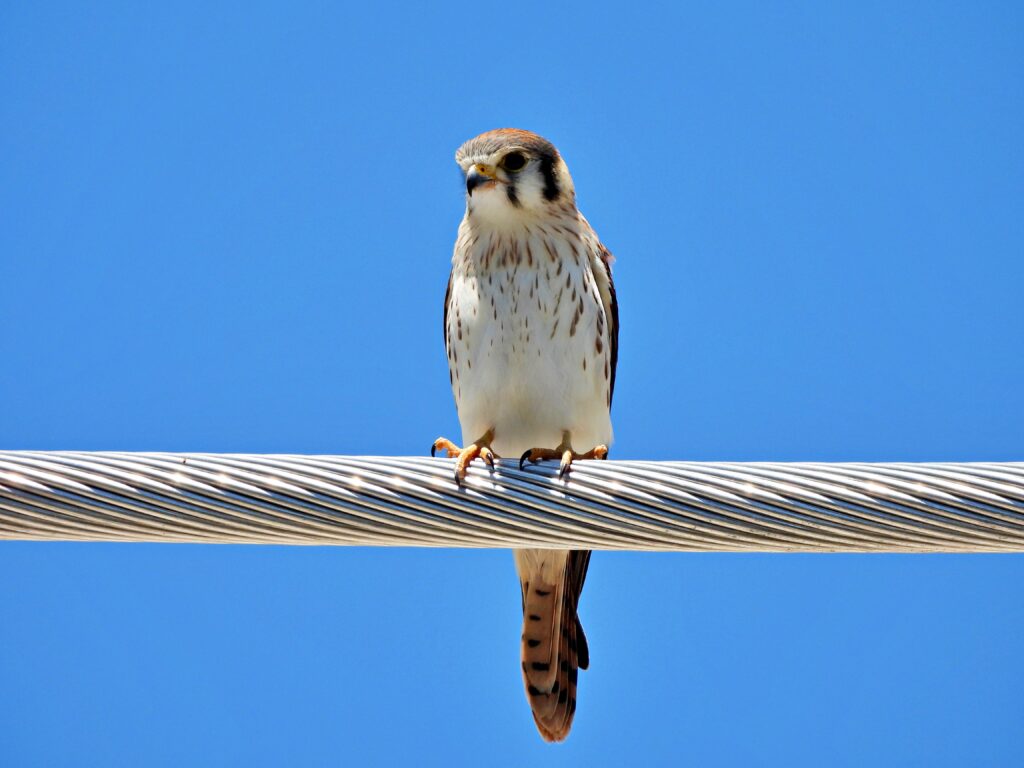
One excellent example of what citizen scientists can do is nest box monitoring for Southeastern American kestrels (SEAKs). Kestrels are magnificent birds of prey. They mate and nest in Florida in the spring, and nonprofit groups and agencies such as the Florida Fish and Wildlife Conservation Commission seek volunteers to manage and monitor SEAK nest boxes.
These nest boxes, and the monitoring done by citizen scientists, offer us a chance to both monitor the local population of SEAKs and to connect habitat quality and management decisions to the success of SEAK populations. And it is exhilarating, joyous, life-affirming work as you can gaze into the world of a truly magnificent avian species.
SEAK nesting season, the period in which citizen scientists are monitoring the nest boxes on public and private lands across west central Florida and the Nature Coast, does not begin in earnest until March. But January, with its blustery winds and chilly temperatures, is when boxes must be cleaned, inspected and repaired.
Citizen scientists prepping and monitoring boxes have found everything from flying squirrels to great crested flycatchers (which line their nests with snake skins – truly fascinating!) occupying this free real estate.
Eastern screech owls are always a favorite. They instantly fall to one side and play dead when the box is opened. Eventually, after a minute or two, they slowly open one eye and peer up at you. If you are still there, they go back to playing dead. And while volunteers are serious about citizen science, encountering such a wonderful bird leads you to smile deeply in your soul.
This type of endeavor – time and effort spent in shared purpose, studying the natural world in search of data and management guidance – is at the heart of citizen science. Bird populations across the world depend on scientists, land managers and landowners to make decisions based on the best available science and a vast team of community members collecting it.
The recovery of avian species and effective species land management could not happen without thousands of lay people, volunteer birders, interns and adherents to nature who volunteer time, energy, passion, knowledge and effort to document the natural world.
Good citizen science data is carefully and respectfully gathered. It is stored correctly and shared with other scientists. Later, a more holistic examination will occur to establish trends. Ultimately, those trends will be used to make land management and species management decisions. More robust and expanded wildlife populations should result!
Citizen scientists have helped public lands agencies learn how to best manage habitat for species like the SEAK. Nest boxes provide transitional nesting areas as habitat is better managed and restored, while also creating opportunities for research essential to recovery.
Numerous avian and other wildlife species in Florida need you as a citizen scientist. Florida scrub jays rely on programs like Audubon Florida’s Jay Watch Program. Eagle Watch programs across Florida have led to incredible recovery of this species.
At the heart and soul of all these efforts – all this research, improved land management and species in recovery – are citizen scientists. They can be you, and you them. All that is needed is time, passion, dedication and a willingness to benefit a greater good. Let that be one of your 2026 resolutions.
To learn more about opportunities to help birds, including SEAKs, or other types of wildlife in Florida, check out FWC’s Citizen Science Program (https://myfwc.com/get-involved/volunteer/citizen-science/) or Audubon Florida’s Jay Watch Program (https://www.audubon.org/florida/projects/jay-watch).
Joe Murphy is a native and lifelong Floridian who lives in the southern Nature Coast. He is resolving to be a more active citizen scientist in 2026 as well. Banner photo: A kestrel poking its head out of a nesting box (iStock image).
Sign up for The Invading Sea newsletter by visiting here. To support The Invading Sea, click here to make a donation. If you are interested in submitting an opinion piece to The Invading Sea, email Editor Nathan Crabbe.
