


By the Miami Herald Editorial Board
Gov. Ron DeSantis, who has become known as one of the leading skeptics on artificial intelligence, is taking aim at data centers, the large-scale developments used to power this technology. None have been built in Florida yet, but DeSantis is correct to ask for guardrails before any of these water-and-energy-guzzling facilities are approved.
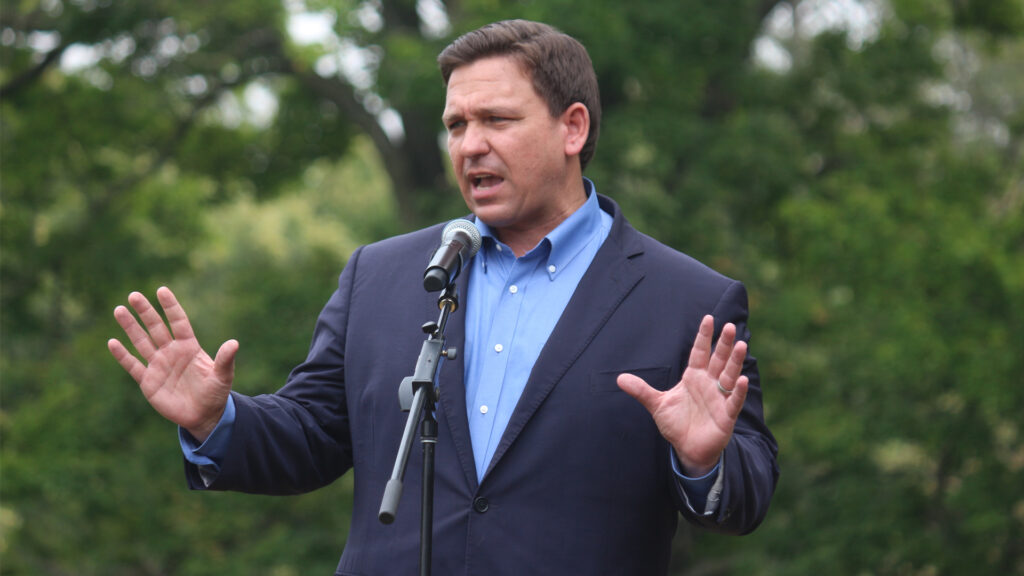
As the Legislature goes into session this week, it should give serious consideration to House Bill 1007, which would restrict where massive AI data campuses could be built, giving communities a chance to push back against them. Two centers are being discussed in St. Lucie and Palm Beach counties.
The bill, filed by Rep. Philip Wayne Griffitts Jr., R-Panama City, would ban “hyperscale” data centers on environmentally sensitive lands, including areas zoned for agriculture, conservation, mixed-use or residential. They’d also have to be built at least 500 feet away from neighboring properties. The bill would also require public hearings before approval and set rules for utility use.
Data centers, which store and process digital information, consume enormous amounts of electricity and water. That can cause problems for those who live nearby. In Georgia, some residents have reported trouble getting drinking water from their wells after a data center was built. Consumers may also wind up paying more for energy if new power plants are needed to run data centers, and the costs are passed on.
The proposed center in Palm Beach County, 202 acres, was paused after county commissioners faced public outrage over the impact on quality of life and the environment.
“We are really in a new arena with these data centers,” Susan Glickman, vice president for policy and partnerships at the CLEO Institute, a Florida climate education organization, told the Miami Herald Editorial Board.
The implications of such “enormous projects” need to be considered carefully, she said, especially water and energy demands.
Industry advocates, such as the Data Center Coalition — members include tech giants like Amazon Web Services and Google — view it differently.
In a statement provided to the Editorial Board, Dan Diorio, vice president of state policy for the Coalition, said, “Across the country, states are recognizing the critical role data centers play in the 21st-century economy and the many benefits they provide to local communities.”
Maybe so, but the questions raised by Glickman are hard to ignore — at what cost, and who will pay?
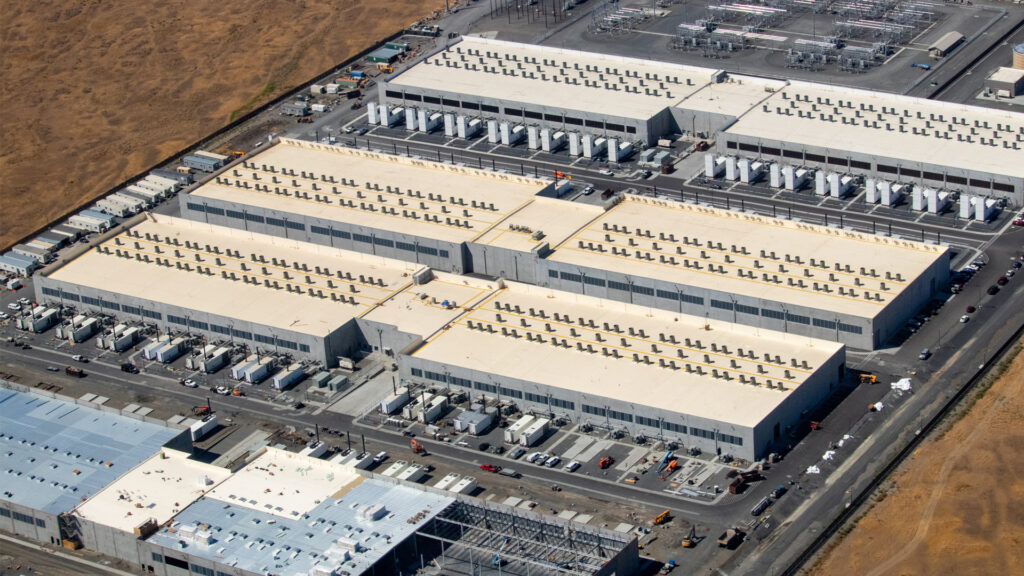
Water is a big consideration. HB 1007 would require local government public hearings to address proposed water usage by the centers, which for larger facilities can add up to millions of gallons per day.
“Florida is a unique state with a fragile environment,” Glickman said. “The extreme water requirements and need for power generation for these centers are also unique and likely in conflict.”
Electricity is the other big challenge. According to the Washington Post, industry and government projections show data centers by 2030 could account for more than 10% of the country’s power usage. During an event last month in The Villages, DeSantis said, “We have a limited grid. You do not have enough grid capacity in the United States to do what they’re trying to do.”
Increased demand on Florida’s power grid will most likely show up on utility bills. Who will pay for that increased energy usage?
Other states offer warnings. Virginia is home to the largest collection of data centers in the world. According to the Electric Power Research Institute, in 2023, data centers in Virginia used about 26% of the total electric supply in the commonwealth. These facilities can use more energy than an entire city while also draining local water supplies — often faster than regulations can be implemented.
Florida’s sensitive ecosystem is already strained by climate change. DeSantis has made Everglades restoration a priority. Data centers that suck up huge amounts of water would seem like a bad idea.
DeSantis’ call for regulating the industry allows the Sunshine State to explore how to embrace technological progress without endangering the environment or putting the economic burden on Floridians in the name of innovation.
This opinion piece was originally published by the Miami Herald, which is a media partner of The Invading Sea. Banner photo: Server racks in a data center (iStock image).
Sign up for The Invading Sea newsletter by visiting here. To support The Invading Sea, click here to make a donation. If you are interested in submitting an opinion piece to The Invading Sea, email Editor Nathan Crabbe.
