


By Julie Wraithmell, Audubon Florida
Florida is known across the country and around the world for its spectacular scenery and abundant wildlife, made possible because of a history of state land conservation programs that have always been ahead of their time.
Our 175 award-winning state parks, remote wildlife management areas and productive state forests provide recreation opportunities for the public; habitat for wildlife; clean, abundant water for our communities; and jobs for our economy; while helping serve as a firewall against sprawl. These special places and the benefits they provide are made possible by one of Florida’s best inventions: the Florida Forever conservation program. Unfortunately, the future of this uniquely Floridian value is not certain.
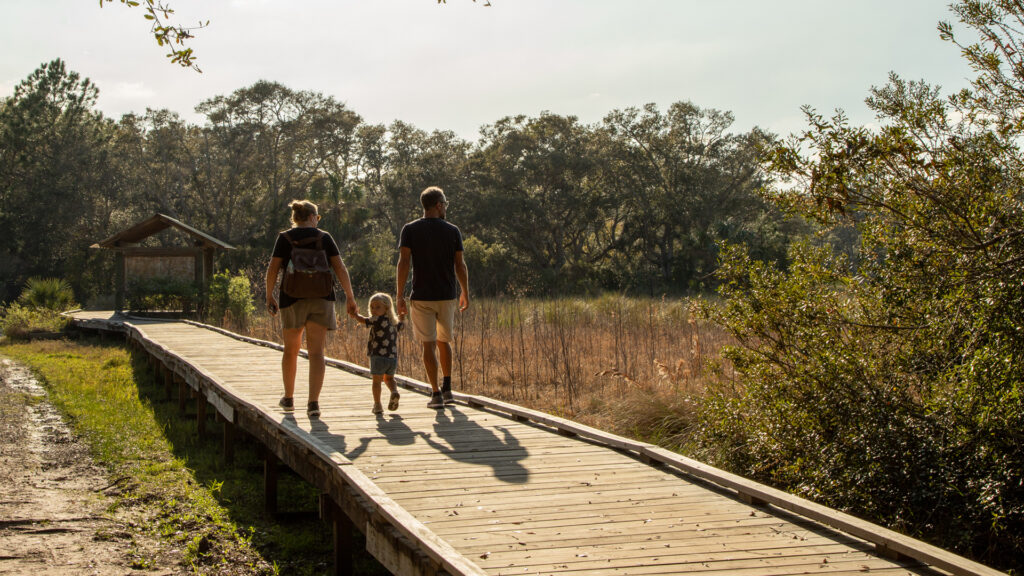
Launched in 2001 with overwhelming public support, Florida Forever uses a transparent, science-based process to prioritize lands for conservation, ensuring taxpayer dollars are stewarded accountably and landowners can trust their properties will be prioritized based on their conservation merits. In its 25-year history, the program has quietly delivered a hit parade of big wins – parks and preserves that are the cornerstone of Florida communities, the foundation not just of our state’s prosperity but our quality of life.
Conservation land-buying enjoys broad public support, and legislators historically have provided consistent appropriations to help the program compete with the pace of development. But after last year’s anemic legislative funding, the program is now running on fumes, with vulnerable, high-conservation-value private lands eager to become the next state park or wildlife management area, but no remaining funding to save them from development.
While the state has been aggressive at providing appropriations for agricultural easements that protect working farms from development, these easements don’t provide public access. Only Florida Forever’s acquisitions can become new state parks, state forests and wildlife management areas for our growing population.
There is no better time to expand Florida’s system of state parks and conservation lands. In 2025, more than 29 million visitors enjoyed our state parks and state forests, with more than $3.5 billion in direct economic impact, proving that conservation isn’t just good for nature, it’s essential to Florida’s economy. Yet as our population and tourism dominance continues to grow, our parks are feeling the squeeze.
When demand exceeds capacity, the solution is clear: Florida must keep pace with this growth by creating new parks for conservation and recreation, or risk our existing gems being loved to death.
Floridians have stepped up to protect their beloved state parks time and time again:
- In 2024 more than 30,000 people contacted representatives to advocate against building golf courses, motels and sports courts within our state parks.
- In 2025, more than 50,000 used their voice to prompt the withdrawal of a proposed land swap that would have allowed development in Northeast Florida’s Guana River Wildlife Management Area.
With the 2026 legislative session now underway, legislators have 60 days to craft the budget that will determine the health of this essential program. Floridians have come to the rescue before when our state parks faced imminent threats. Now they need you again, reminding decision makers that Floridians want more state parks, state forests and wildlife management areas — and Florida Forever is the only program that can provide them.
Gov. Ron DeSantis’ budget recommendations already include an increase for the program, raising the bar from last year’s meager funding. Legislators should take inspiration from his recommended $115 million, and treat it as the floor, not the ceiling.
Julie Wraithmell is vice president and executive director of Audubon Florida. Banner photo: Birds flying over wetlands at sunset in Florida (iStock image).
Sign up for The Invading Sea newsletter by visiting here. To support The Invading Sea, click here to make a donation. If you are interested in submitting an opinion piece to The Invading Sea, email Editor Nathan Crabbe.

please set up some form letters and ways to contact the appropriate people