


By Kelley Dennings
On Friday, Feb. 13, local leaders in Jacksonville will unveil the region’s first comprehensive climate action plan at an environmental symposium. The new plan includes many important steps forward and it’s worth highlighting two effective — and often overlooked — tools for cutting climate pollution while strengthening our community: waste prevention and reuse.
When we use fewer new products, we extract fewer raw materials, burn less energy in manufacturing and distribution, and prevent methane emissions from landfills. These climate benefits are immediate and substantial.
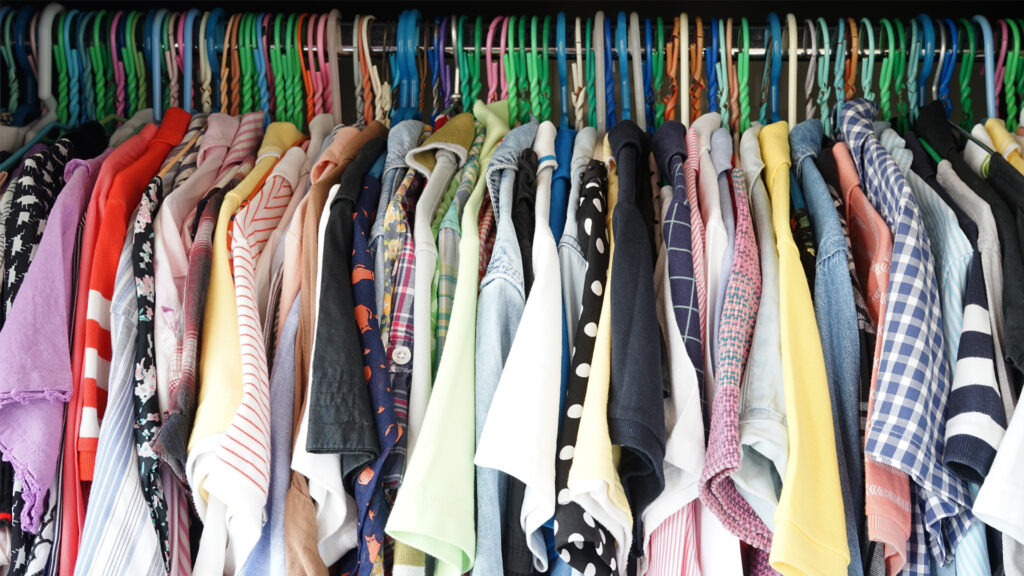
By extending the life of products, reuse decreases pollution linked to respiratory disease and cancer while avoiding the emissions that come from producing something new in the first place. Reuse also delivers meaningful economic benefits as it can generate 30 times more jobs than landfills.
The burgeoning infrastructure of reuse also increases equity and resilience. Secondhand, repair, refill, sharing and reuse systems provide low- or no-cost options for families, particularly in low-income and disadvantaged communities. Many of these systems are hyper-local, supporting small, Main Street businesses.
They also build social connections and help neighborhoods recover more quickly after hurricanes and other natural disasters.
I’m encouraged that leaders have set a goal to develop or expand local recycling and reuse through infrastructure investments and equipment purchases explicitly mentioned in the draft. Too often, waste discussions stop at recycling or composting.
While both are important, reuse helps prevent waste in the first place, delivering greater benefits for the climate, public health and economy, too.

Importantly, the Jacksonville region doesn’t need to start from scratch to grow our resale, reuse and repair infrastructure. Many strong businesses offering these options already exist; they simply need greater visibility and support. We must ensure the plan explicitly supports business incubator programs for repair and refurbishment.
The climate action plan also sets an ambitious goal of transitioning at least 50% of city-sponsored events and attractions to zero-waste and low-carbon models by 2030. Attaining this goal will require building a reuse collection and wash hub and regional material exchanges or sharing models — all of which will drive workforce development and provide area jobs.
Climate action doesn’t always require expensive technology or sweeping new systems. Sometimes it means recognizing the value of what we already have and choosing to use it again. By investing in reuse, the region can cut climate pollution, protect public health, support local businesses and build a more resilient, equitable city.
Kelley Dennings is a Jacksonville resident and campaigner at the Center for Biological Diversity. She helped draft the waste section of the climate action plan for the city of Jacksonville. This opinion piece was originally published by the Florida Times-Union, which is a media partner of The Invading Sea. Banner photo: A woman shopping at a used clothing store (iStock image).
Sign up for The Invading Sea newsletter by visiting here. To support The Invading Sea, click here to make a donation. If you are interested in submitting an opinion piece to The Invading Sea, email Editor Nathan Crabbe.
