


By Alan Jenn, University of California, Davis
The U.S. government is in full retreat from its efforts to make vehicles more fuel-efficient, which it had been prioritizing, along with state governments, since the 1970s.
The latest move came on Feb. 12, when President Donald Trump and the Environmental Protection Agency issued a new rule rescinding the landmark “endangerment finding,” and reversing various emissions limits on cars and trucks. The 2009 finding stated that greenhouse gases pose a threat to public health and welfare. If the new rule stands up in court and is not overruled by Congress, it would undo a key part of the long-standing effort to limit greenhouse gas emissions from vehicles.

As a scholar of how vehicle emissions contribute to climate change, I know that the science behind the endangerment finding hasn’t changed. If anything, the evidence has grown that greenhouse gas emissions are warming the planet and threatening people’s health and safety. Heat waves, flooding, sea-level rise and wildfires have only worsened in the decade and a half since the EPA’s ruling.
Regulations over the years have cut emissions from power generation, leaving transportation as the largest source of greenhouse gas emissions in the U.S.
The scientific community agrees that vehicle emissions are harmful and should be regulated. The public also agrees, and has indicated strong preferences for cars that pollute less, including both more efficient gas-burning vehicles and electric-powered ones. Consumers have also been drawn to electric vehicles thanks to other benefits such as performance, operation cost and innovative technologies.
That is why I believe the EPA’s move will not stop the public and commercial transition to electric vehicles, but it will make that shift harder, slower and more expensive for everyone.
Putting carmakers in a bind
The most recent EPA rule about vehicle emissions was finalized in 2024. It set emissions limits that can realistically only be met by a large-scale shift to electric vehicles.
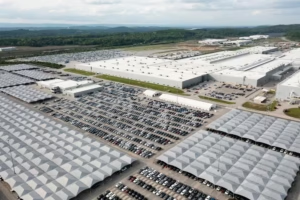
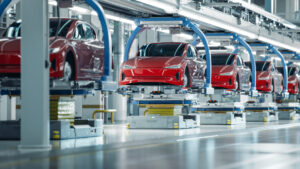
Over the past decade and a half, automakers have been building up their capability to produce electric vehicles to meet these fleet requirements, and a combination of regulations such as California’s zero-emission-vehicle requirements have worked together to ensure customers can get their hands on EVs. The zero-emission-vehicle rules require automakers to produce EVs for the California market, which in turn make it easier for the companies to meet their efficiency and emissions targets from the federal government. These collectively pressure automakers to provide a steady supply of electric vehicles to consumers.
The new EPA move would undo the 2024 EPA vehicle-emissions rule and other federal regulations that also limit emissions from vehicles, such as the heavy-duty vehicle emissions rule.
The possibility of a regulatory reversal puts automakers into a state of uncertainty. Legal challenges to the EPA’s shift are all but guaranteed, and the court process could take years.
For companies making decade-long investment decisions, regulatory stability matters more than short-term politics. Disrupting that stability undermines business planning, erodes investor confidence and sends conflicting signals to consumers and suppliers alike.
A slower roll
The Trump administration has taken other steps to make electric vehicles less attractive to carmakers and consumers.
The White House has already suspended key provisions of the Inflation Reduction Act that provided tax credits for purchasing EVs and halted a $5 billion investment in a nationwide network of charging stations. And Congress has retracted the federal waiver that allowed California to set its own, stricter emissions limits. In combination, these policies make it hard to buy and drive electric vehicles: Fewer, or no, financial incentives for consumers make the purchases more expensive, and fewer charging stations make travel planning more challenging.
Overturning the EPA’s 2009 endangerment finding would remove the legal basis for regulating climate pollution from vehicles altogether.
But U.S. consumer interest in electric vehicles has been growing, and automakers have already made massive investments to produce electric vehicles and their associated components in the U.S. – such as Hyundai’s EV factory in Georgia and Volkswagen’s Battery Engineering Lab in Tennessee.
Global markets, especially in Europe and China, are also moving decisively toward electrifying large proportions of the vehicles on the road. This move is helped in no small part due to aggressive regulation by their respective governments. The results speak for themselves: Sales of EVs in both the European Union and China have been growing rapidly.
But the pace of change matters. A slower rollout of clean vehicles means more cumulative emissions, more climate damage and more harm to public health.
The EPA’s move seeks to slow the shift to electric vehicles, removing incentives and raising costs – even though the market has shown that cleaner vehicles are viable, the public has shown interest, and the science has never been clearer. But even such a major policy change can’t stop the momentum of those trends.
Alan Jenn is an associate professor of civil and environmental engineering at the University of California, Davis. This is an updated version of an article originally published Aug. 5.
This article is republished from The Conversation under a Creative Commons license. Read the original article. Banner photo: Electric vehicles charging (Carlin Stiehl/Los Angeles Times via Getty Images).
Sign up for The Invading Sea newsletter by visiting here. To support The Invading Sea, click here to make a donation. If you are interested in submitting an opinion piece to The Invading Sea, email Editor Nathan Crabbe.
