


By Marc Lamoureux, IFS Copperleaf
Utilities providers in Florida must face a dual weather threat. Not only is the average number of named storms for each season currently at 14, according to the National Oceanic and Atmospheric Administration, but now, a quieter, more deceptive threat is emerging — extreme heat.
These “silent storms,” heat waves, kill more people in the U.S. than any other form of extreme weather, according to the University of Florida.

At a time when rising utility bills are already under the microscope in Florida, it’s another stark reminder that for millions of Americans, keeping the lights and air conditioning on is no longer something they can take for granted. The new weather reality requires a different approach to grid investment and planning that takes in the bigger picture, and understands the investment levels required and the risks involved.
At a time when electricity bills are climbing, affordability is becoming one of the defining challenges of modern utility leadership. The pressure on utilities and today’s grid to ensure maximum uptime is only exacerbated by events. Strong winds, heavy rainfall and extreme heat push parts of the grid to their limits, driving outages, emergency repairs and difficult trade-offs in real time.
Escalating weather extremes are exposing the limits of traditional capital planning. Utilities must build a more resilient and affordable grid.
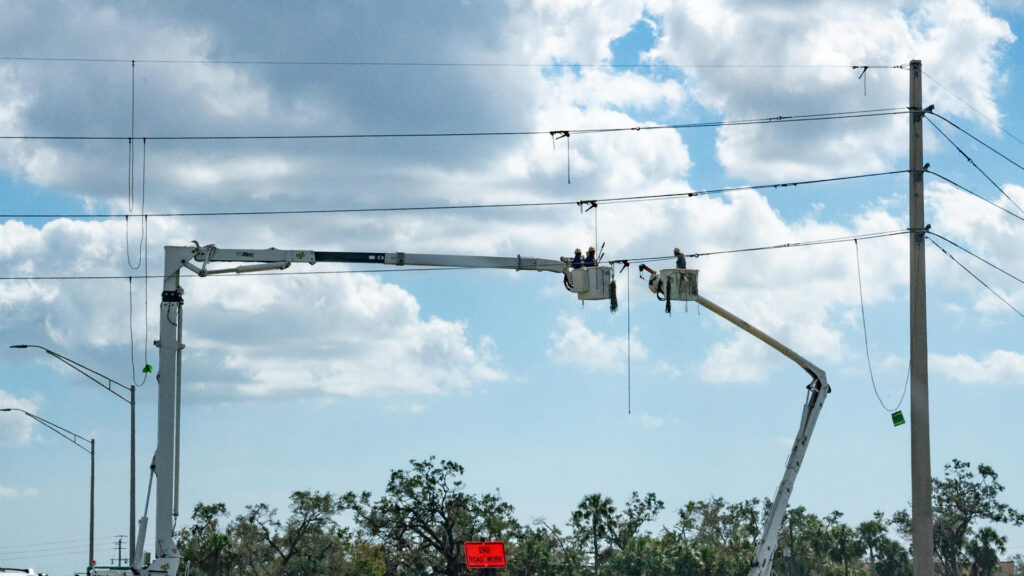
Following Hurricane Milton in 2024, over three million Florida residents and businesses were left without power. For customers, it showed up as dark homes and rising frustration. For utilities, it showed up as cost, complexity and scrutiny. In contrast, during more commonly occurring heat waves, energy grids are pushed to maximum capacity as increased use of air conditioning causes spikes in energy demand.
Weather events like this only sharpen the tension. Utilities are expected to harden aging infrastructure, expand capacity for electrified transportation and energy-hungry data centers, and prepare for more frequent weather disruptions, all while regulators and customers push back hard on rate increases.
That tension is not theoretical. It plays out during extreme weather events, during restoration and during the months that follow when capital plans are questioned line by line.
Traditional planning can’t handle the heat
Demand patterns are shifting fast. Industrial reshoring, EV load pockets and AI-driven computing are stressing parts of the grid that were never designed for this level of use.
At the same time, inflation, higher interest rates and material constraints are driving up the cost and risk of every capital project. After a major weather event, those pressures only intensify! Emergency work competes with long-term investments, and yesterday’s assumptions no longer hold. You might as well trash the Excel.
The issue is that most capital planning processes were not built for this reality. Many utilities are still relying on fragmented data, spreadsheets, and siloed decision-making. Investment choices are often shaped by precedent or short-term pressure rather than value, risk, and customer impact. Affordability is too often addressed after plans are largely set, not when trade-offs can still be made.
Grid planning becomes a living process
It does not have to work that way. IFS Copperleaf helps utilities plan in a way that reflects what actually happens on the grid. The Copperleaf platform brings structure and transparency to capital allocation, allowing teams to see all investment options together, apply consistent criteria and model trade-offs before decisions are locked in. Financial impact, operational risk and customer outcomes can all be evaluated side by side.
Now the magic begins when this is combined with Industrial AI, such as predictive maintenance, asset health modeling and scenario analysis. Planning becomes a living process. Investment decisions can adjust as conditions change, whether that change is driven by a major hurricane, shifting load forecasts or new regulatory direction.
Make every dollar count

The powerful combination of value-based Asset Investment Planning with Industrial AI has huge benefits for utilities — helping them prepare for events.
Leadership teams for the first time have a clear view of what truly needs attention now and what can safely wait. Planners can test budget scenarios quickly instead of spending weeks rebuilding plans after every disruption. Regulatory and finance teams can clearly connect capital investments to reliability outcomes and customer costs. Executives can move forward knowing their strategy is grounded in current risk and future need, not legacy commitments.
Integrated planning allows for earlier interventions, smarter timing of investments and more informed use of funding and alternatives.
Most importantly, it helps ensure that when the next storm hits, the grid is stronger and every capital dollar is working as hard as possible for the customers who depend on it.
Better planning can’t stop the hurricanes and heat waves or the pressure they create on the grid, but it will make utilities more resilient, with the power to respond and the ability to keep the lights and the air conditioning on for consumers.
Marc Lamoureux is principal product manager at IFS Copperleaf. Banner photo: High-voltage power lines (iStock image).
Sign up for The Invading Sea newsletter by visiting here. To support The Invading Sea, click here to make a donation. If you are interested in submitting an opinion piece to The Invading Sea, email Editor Nathan Crabbe.
