


By Dave Trecker
The Iran war has reminded us yet again of the importance of fossil fuels – those hydrocarbons that come out of the ground in the form of coal, petroleum and natural gas.
Because of the war, petroleum shortages have led to jacked up prices at the gas pump, and that has grabbed everyone’s attention.
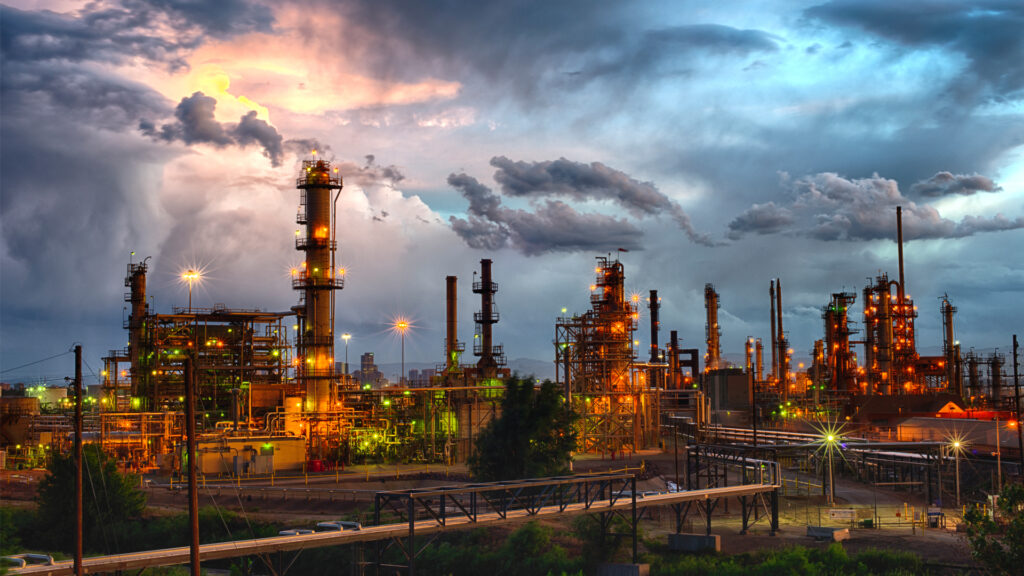
And rightly so. Fossil fuels power most of our vehicles. They are also our main source of electricity, accounting for 87% of global energy. And they provide feedstocks for the manufacture of textiles, auto bodies and drugs. Without them we would have no plastics, no pipes, fewer colorants, no adhesives, no elastomers of any kind.
Unfortunately, as we know, that comes with a price. The greenhouse gases they generate when combusted contribute hugely to climate change (although few are thinking about climate change right now). Replacing the hydrocarbons with enough clean energy to make a difference would take decades, and that’s time we don’t have.
Most agree we have to focus on the here and now, and that means fossil fuels. Edward Fishman, director of the Center for Geoeconomics at the Council on Foreign Relations, was quoted as saying that hydrocarbons are driving today’s economy. He’s right.
Here’s a quick look at where things stand.
· Coal mining is increasing. The International Energy Agency reported that global production was up 3% in 2025. China built an average of two new coal plants a week last year. In this country, a spate of bad weather led to wider use of coal to shore up the grid.
· Petroleum production is steadily rising. Shell claims it has 700 new fields to choose from. BP is planning development of a massive off-shore field in Brazil. Our Venezuela incursion accessed a whopping 300-billion-barrel reserve. Chevron and Exxon-Mobil are gearing up for more drilling and fracking in the U.S., where we currently produce 13.8 million barrels a day, tops among countries.
· Part of this output will go to power the explosive growth of artificial intelligence, particularly the data centers popping up around the country. Deloitte Consulting says AI alone will boost demand nearly 30-fold over the next 10 years. Much of that energy will come from relatively clean natural gas.
Meanwhile, renewables are declining in importance.
· Without subsidies, electric vehicles have lost much of their appeal. In 2025, GM lost $7 billion and Ford nearly $5 billion on EV production. Tesla, Stellantis and Volvo also got hammered. With emphasis returning to the combustion engine, the EV share of U.S. vehicles has dropped to 1.2%.
· Faced with expiring tax credits, wind turbines are also taking a hit. Ditto for rooftop solar. The Wall Street Journal reports that some $24 billion in climate projects has been cut. Projected growth of renewables over the next ten years is down a staggering 50%.

· Companies are also bailing out of green-fuel research. Airbus, BP and Air Products have scrapped programs on things like hydrogen fuel cells because their chances for commercial success are slim. And Exxon-Mobil’s highly touted algae biofuel project turned out to be a complete bust.
What’s the bottom line? In spite of their impact on climate change, fossil fuels are winning the race.
Admittedly we may have to capture more of the CO2 they generate. We may have to double down on developing other energy sources and restoring subsidies to still others.
Trade-offs are inevitable. But so are fossil fuels. We have to accommodate them.
Like it or not, they’re here to stay.
Dr. Dave Trecker is a chemist and retired Pfizer executive living in Naples. This opinion piece was originally published by the Fort Myers News-Press, which is a media partner of The Invading Sea. Banner photo: An oil pumpjack in Texas (iStock image).
Sign up for The Invading Sea newsletter by visiting here. To support The Invading Sea, click here to make a donation. If you are interested in submitting an opinion piece to The Invading Sea, email Editor Nathan Crabbe.

Fossil fuels are only inevitable if you refuse to change your exorbitant lifestyle.
Don’t confuse the fact that it will take time to displace most fossil-fueled energy with the idea fossil fuels are winning. In most parts of the world – Europe, China, South Asia – it’s solar and batteries and very affordable and attractive EVs that are winning. Sure it will take time, and we’ll have some declining share of fossil fueled energy in the mix for the foreseeable future, but make no mistake – solar plus batteries and EVs in most places are more affordable and more accessible than fossil fuels and, slowly but surely, they’re winning.