


By Trimmel Gomes, Florida News Connection
With hurricane season beginning June 1, Florida community health centers gathered in Tampa last week to sharpen their emergency plans and share lessons learned from past disasters.
The two-day Health Emergency Management Summit wrapped up last Friday. It was was organized with help from International Medical Corps, a global humanitarian organization.
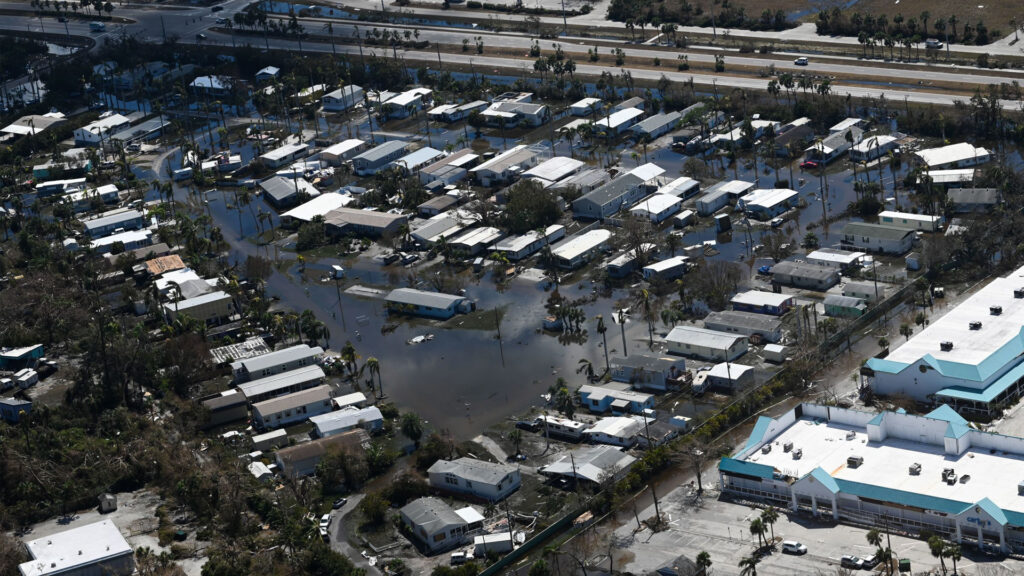
Jose Perez, associate director of facilities for Healthcare Network in Naples, said Hurricane Ian exposed a gap in his facility’s planning.
“One thing I did not see coming was water,” Perez recounted. “It wasn’t in a flood zone but the water came from underneath the floor drain.”
Perez noted the experience changed how the facility prepares. He suggested health centers should test generators weekly and have backup plans for vaccines. His facility also plans to use sandbags around floor drains.
Rebecca Allman, chief compliance and quality officer for Langley Health Services, said a tornado forced similar changes.
“Unfortunately, we did have to go through a tornado that destroyed one of our buildings, so that was definitely a learning curve and a learning lesson for us that we had not gone through before,” Hallman explained. “Now we have tornado drills that we put in place every year.”
Hallman stressed partnerships between health centers are critical because they allow facilities to share supplies when a storm hits. She added one of the biggest challenges is getting staff to treat emergency drills as if they are real.
“The more you get into the drill, the more you’ll learn where the gaps are,” Hallman underscored.
Florida News Connection is a bureau of the Public News Service. Banner photo: Flooding in Florida from Hurricane Ian (iStock image).
Sign up for The Invading Sea newsletter by visiting here. If you are interested in submitting an opinion piece to The Invading Sea, email Editor Nathan Crabbe. To learn more about flooding, watch the short video below.
