
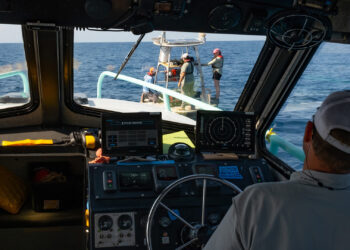
After devastating fire, USF marine scientists race to keep ocean monitoring on track
A fire at the USF Marine Science Laboratory displaced the Ocean Circulation Lab, which maintains its buoy program.


A fire at the USF Marine Science Laboratory displaced the Ocean Circulation Lab, which maintains its buoy program.
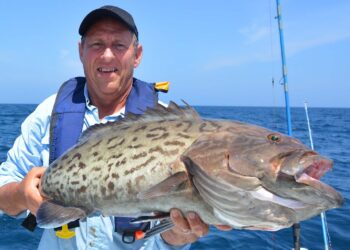
A new paper by USF and FWC researchers may help make tough decisions about the lengths of fishing seasons.
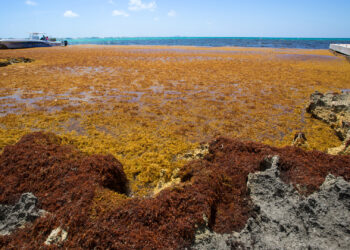
Blooms of macroalgae such as sargassum seaweed rose by 13.4% per year in the tropical Atlantic and western Pacific.

Sargassum is declining in the region where it was first reported by Christopher Columbus in the 15th century.
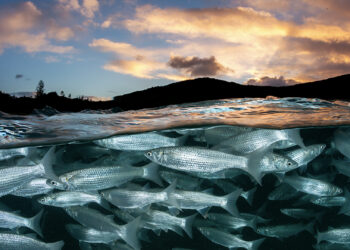
The study suggests that ocean warming may not lead to the decline in nutrients and fisheries predicted by earlier models.
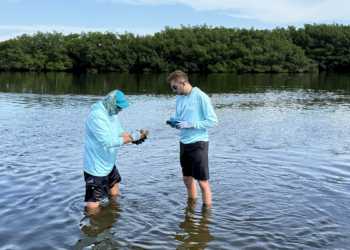
The Tampa Bay Surveillance project aims to make clear the complicated state of contamination in Florida’s largest estuary.
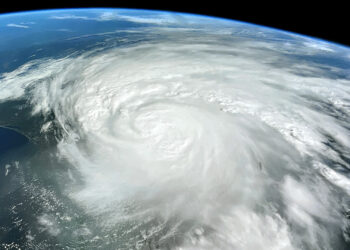
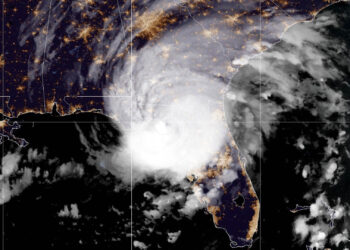
Hurricane Idalia and other storms in recent years have rapidly intensified before their devasting landfalls.
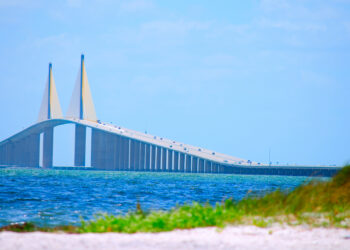
A $13.9 million grant from NOAA will fund a program to promote the commercialization of blue-tech solutions.
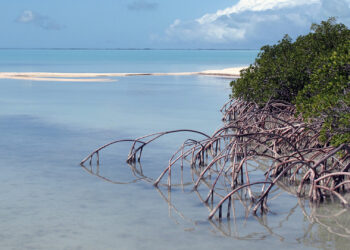
Over the past two decades, sea surface temperatures in the estuaries rose 500% faster than in the global oceans.
The Lab's researchers are hard at work improving storm surge forecasting capabilities along the west coast of Florida.