FAU publishes initial annual report for Florida Office of Ocean Economy
Florida supports a diverse set of industries that rely on healthy ocean resources, from ports and seafood to tourism and...


Florida supports a diverse set of industries that rely on healthy ocean resources, from ports and seafood to tourism and...
As this pollution-tolerant macroalgae replaces seagrass, it may be reshaping marine life and reducing biodiversity.
Dramatic shifts in climate can have long-lasting effects on even the toughest, most iconic trees.
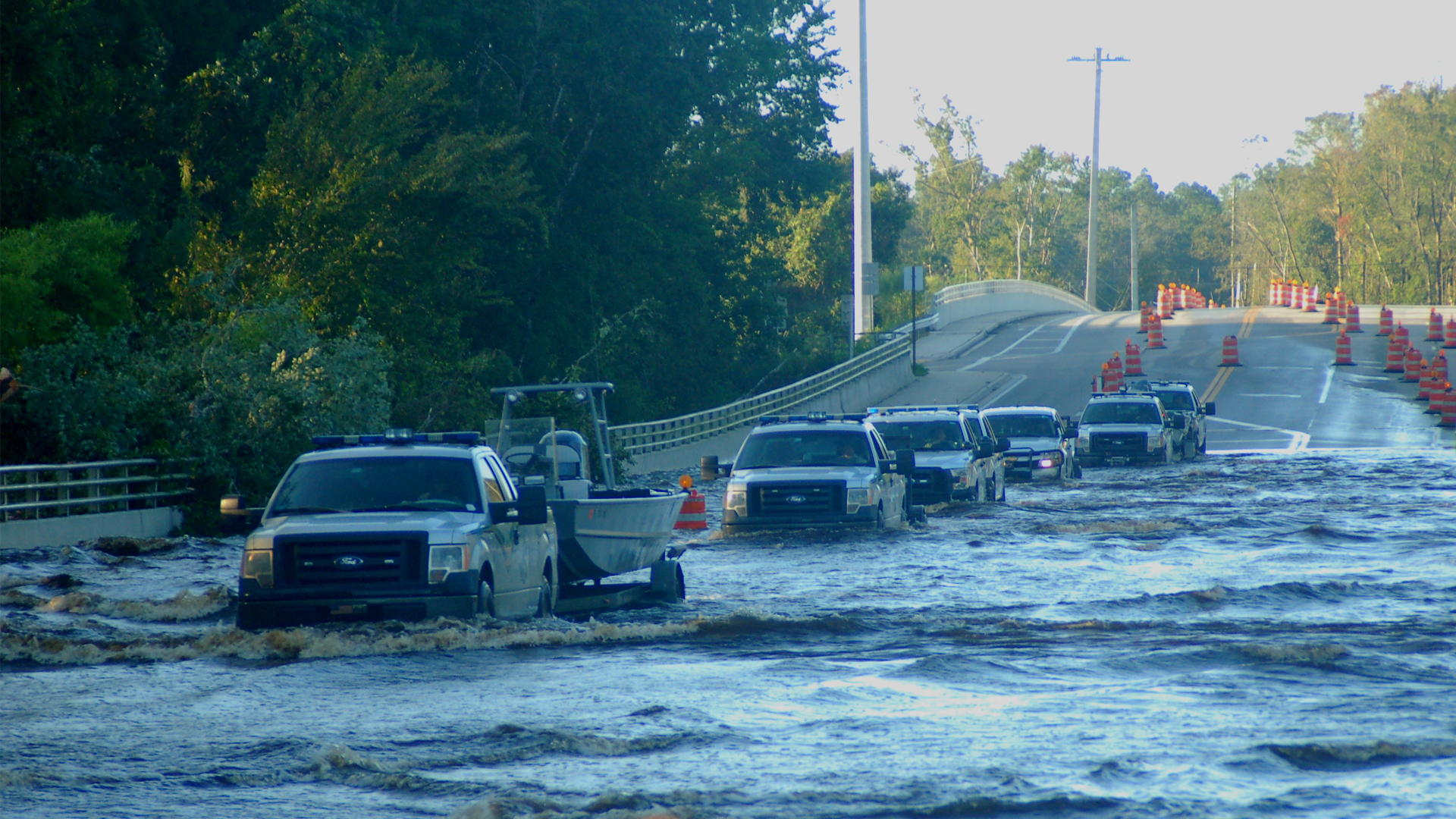
The SEA Econet delivers data that directly informs forecasts and warnings issued by the National Weather Service.
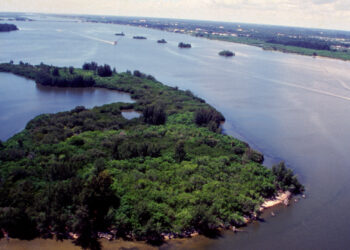
The Indian River Lagoon suffers from frequent harmful algae blooms that have severely reduced seagrass beds.
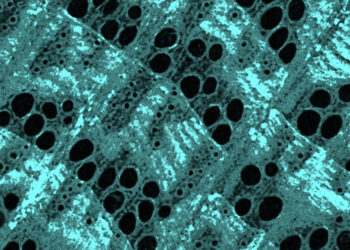
Bio-based materials could one day replace traditional construction materials like steel and concrete.
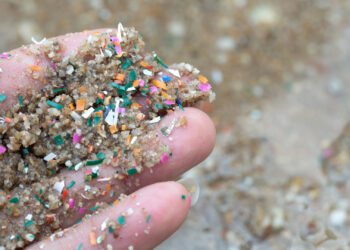
An international team of scientists has mapped microplastic distribution from the surface to the deep sea.
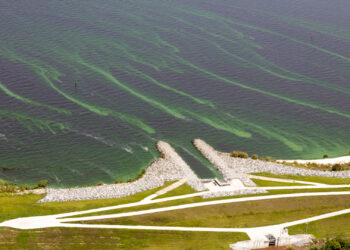
Improved understanding of bloom behavior could enhance monitoring, forecasting and management of these harmful events.
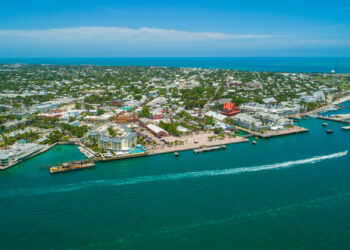
A new tool identifies the most effective shoreline stabilization methods to protect the Keys from climate hazards.
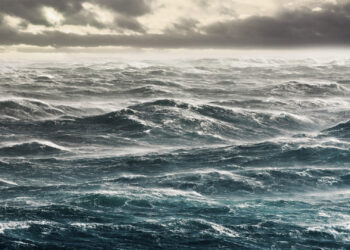
FAU researchers found that waters off Florida’s East coast and South Africa are ideal for generating electricity from currents.