Storm preparedness and resiliency work is absolutely essential
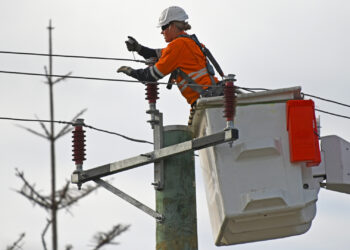
Utilities such as Florida Power and Light continue to strengthen the electric grid to prepare for hurricanes.


Utilities such as Florida Power and Light continue to strengthen the electric grid to prepare for hurricanes.
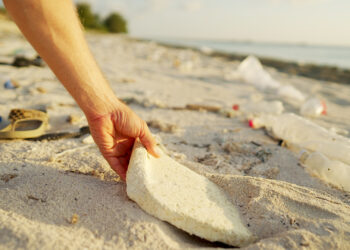
On International Coastal Cleanup Day, plastic foam fragments, cups and plates are among the most commonly found trash.
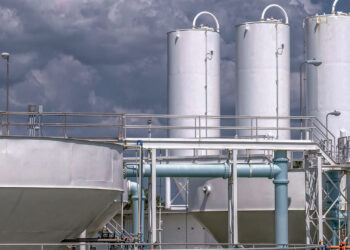
A new analysis from Food & Water Watch reveals that Florida’s water systems are at risk of flood-related disruptions
It’s clear that even early climate models captured the broad strokes of global warming.
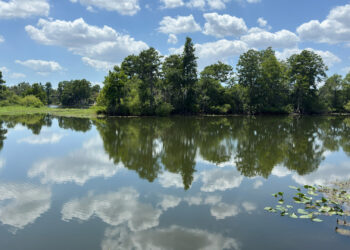
If everyone found a river to connect to, conserve and explore, Florida would become a better place for us all.
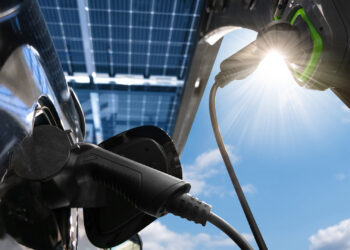
Encouraging EV adoption is better for the climate than many people expect, leading to lower-emitting power sources.
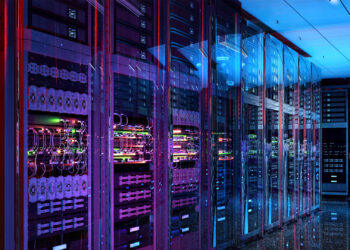
AI data centers produce massive noise pollution, use huge amounts of water and keep us hooked on fossil fuels.
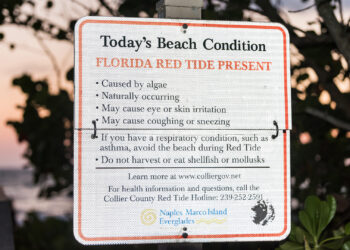
Even in years with smaller blooms, the health and financial impacts can be severe.
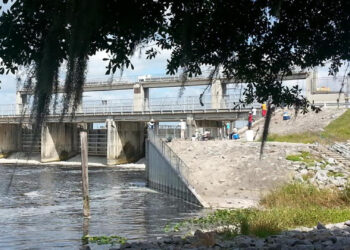
Breaching the Kirkpatrick Dam on Rodman Reservoir will help the river and springs run as nature intended.
The rapid pace of climate change can affect ecosystems in ways that defy expectations based on past experiences.