
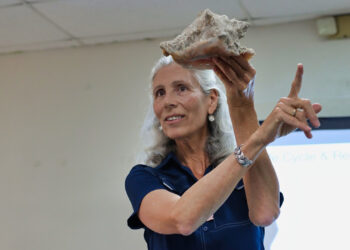
FAU Harbor Branch launches ‘eConch’ to grow, conserve the queen conch
Intensive fishing and habitat degradation from urbanization and climate change have caused conch populations to dwindle.


Intensive fishing and habitat degradation from urbanization and climate change have caused conch populations to dwindle.
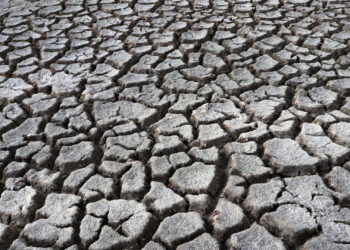
Within the past five years, every island in the region has experienced some sort of water scarcity.
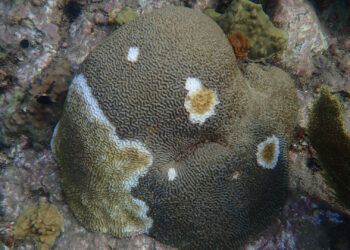
Changes in the Caribbean's population of corals threaten marine biodiversity and coastal economies.
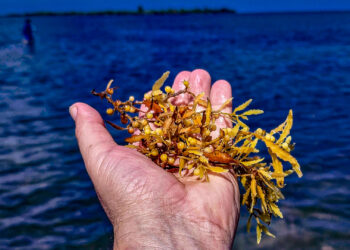
Sargassum is being turned into nutrient-rich biofertilizers and other organic products, but there are hurdles to scaling the industry.
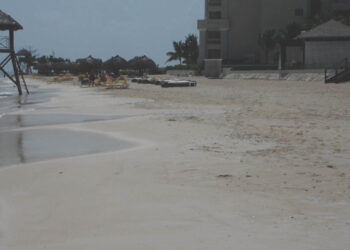
Shorelock is biopolymer that enhances the interaction of sand particles with water to resist erosion, provide a more stable coastline.
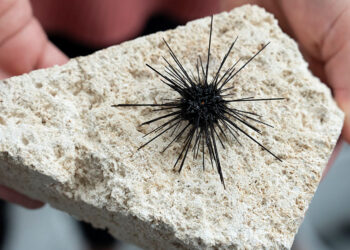
The spread of a microscopic pathogen threatens sea urchin populations and coral reefs around the world.
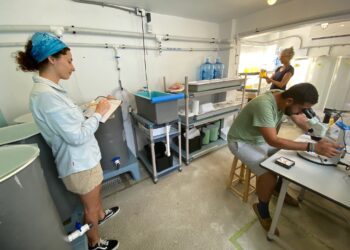
A Q&A with Megan Davis, Ph.D., director of the Queen Conch Lab and a research professor at FAU Harbor Branch.
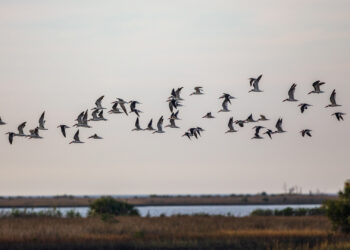
The Neotropical Migratory Bird Conservation Act is a rare instance where both major parties have worked together.
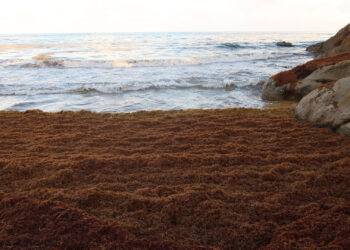
University of Miami physical oceanographers have determined the role wind and currents play in transporting Sargassum seaweed.
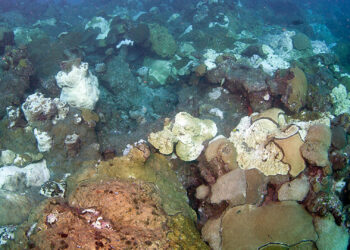
A Q&A with NOAA Coral Reef Watch Director Derek Manzello.