

How ancient plankton point to the resilience of ocean ecosystems
The study suggests that ocean warming may not lead to the decline in nutrients and fisheries predicted by earlier models.


The study suggests that ocean warming may not lead to the decline in nutrients and fisheries predicted by earlier models.

Researchers documented sea surface temperatures exceeding 86 degrees F across the equatorial Atlantic.

The ocean absorbs about 90% of the excess heat caused by emissions from burning fossil fuels and other activities.

Unprecedented marine heat waves in the North Atlantic have been driven in part by a recent drop in shipping emissions
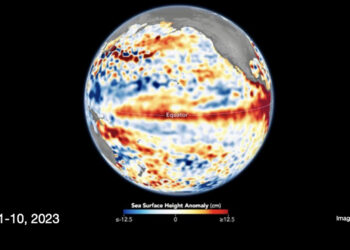
Researchers modeled climate to understand what contributed to the rapid warming of the planet last year.

This climate phenomenon can contribute to the worst possible combination of climate conditions for fueling hurricanes.

The demand for cocoa has resulted in mass deforestation and significant carbon emissions.

This latest, still-unfolding event was entirely predictable, as ocean temperatures continue to rise due to global heating.
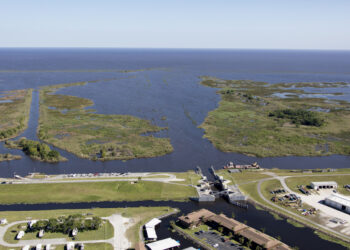
Getting lake management wrong could cripple the water supply, destroy businesses and further damage our changing environment.
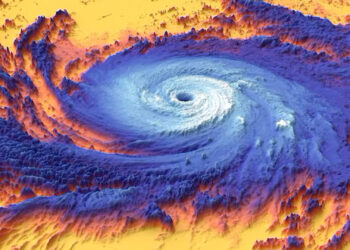
New research shows that hurricanes don’t just churn water at the surface.