FSU research improves hurricane intensity forecasting
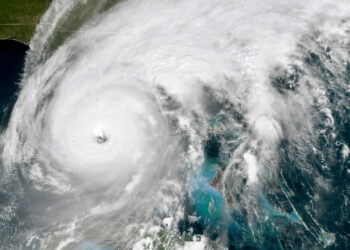
The research incorporating is the effects of sea spray into models that predict hurricane behavior.
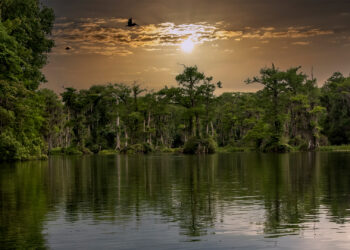
The Florida Legislature funded an initiative for researchers to help clean up the springs and educate the public.
The team will examine pesticide and fertilizer transport, water pollution and threats to groundwater.
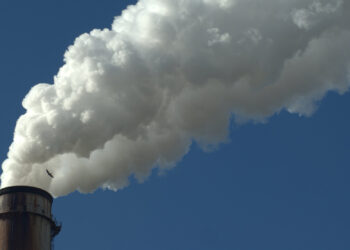
When the maritime sector slashed sulfur emissions, it became an accidental experiment in geoengineering.
The research team will work to assess potential impacts that greenhouse gas emissions measures have on disadvantaged communities.
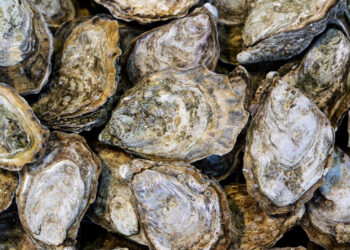
Drilling for oil in the Apalachicola River flood plain conflicts with restoration plans for the Apalachicola Bay oyster fishery.
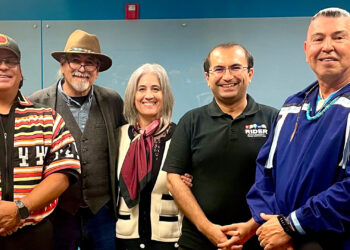
The event, 'Saving the Planet with Indigenous Knowledge,' was part of a project focused on resilient rural infrastructure.
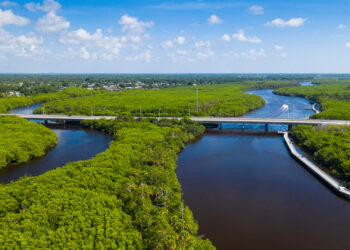
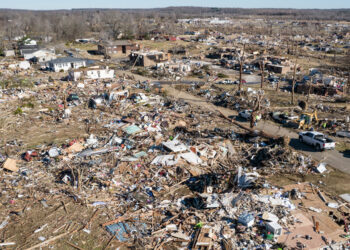
The information they found can help identify regions with vulnerable communities and fragile transportation networks.
A 2020 survey by Miami-Dade nonprofits found that after housing and security, heat was residents’ most pressing concern.
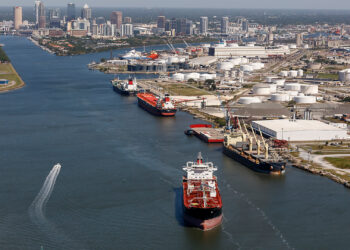
Emissions from ships engaged in worldwide commerce contain microscopic particles of sulfur or carbon.
The Invading Sea is a nonpartisan source for news, commentary and educational content about climate change and other environmental issues affecting Florida. The site is managed by Florida Atlantic University’s Center for Environmental Studies in the Charles E. Schmidt College of Science.
Sign up to receive the latest climate change news and commentary in your email inbox by visiting here.
We are seeking continuing support for the website and its staff. Click here to learn more and donate.
© 2025 The Invading Sea