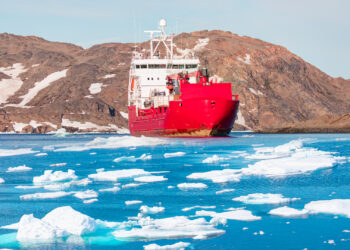
Shipping through a melting Arctic
New shipment opportunities promise economic gains but threaten one of the planet’s most fragile ecosystems.


New shipment opportunities promise economic gains but threaten one of the planet’s most fragile ecosystems.
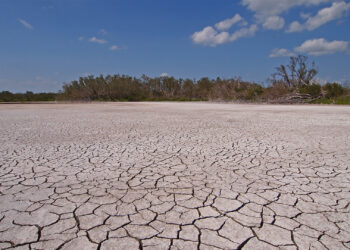
Dry reservoirs, sinking cities, crop failures, water rationing and more frequent wildfires are among the consequences.

Plant hardiness zones are becoming less predictable as our summers get hotter and wetter.
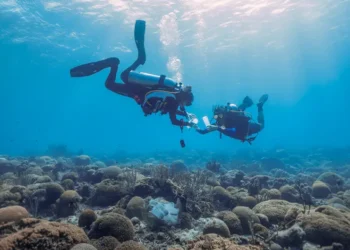
University of Miami researchers will investigate how corals in the Pacific withstand the effects of a warming ocean.

Just 52 of 93 potential host cities will have reliable conditions for the winter games by the 2050s, Climate Central ...
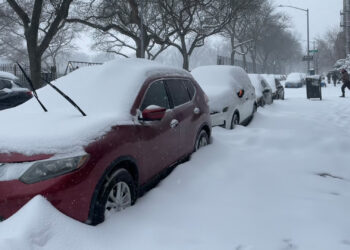
Some research suggests that even in a warming environment, cold events may still be severe in places.
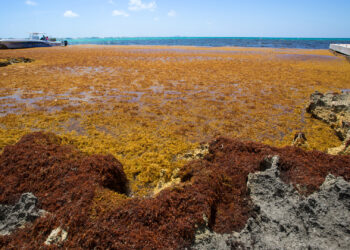
Blooms of macroalgae such as sargassum seaweed rose by 13.4% per year in the tropical Atlantic and western Pacific.
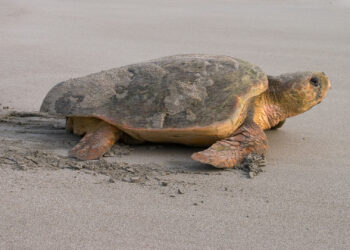
Rising global temperatures have serious repercussions for the survival of endangered turtle species.

Climate change is opening up previously inaccessible land and sea, boosting global interest in Greenland.
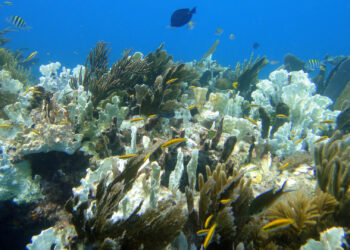
Ignoring the blue economy has left a blind spot in climate finance, according to a study from Scripps Oceanography.