
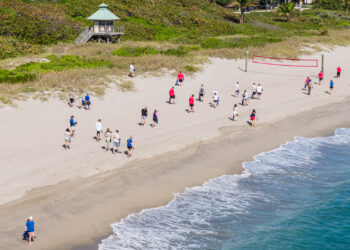
South Florida company celebrates 50-million-pound milestone at beach cleanup
Boca Raton-based 4ocean funds cleanups through the sale of products such as bracelets made from ocean waste.


Boca Raton-based 4ocean funds cleanups through the sale of products such as bracelets made from ocean waste.

SB 1464 allows schools to partner with local food banks and take other steps to reduce waste.

Small, stubborn acts of care compound the same way neglect does, only in the opposite direction.
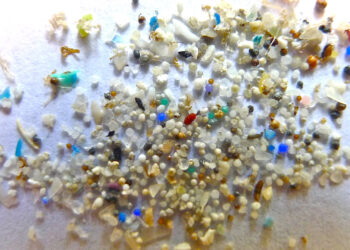
Microplastics are hard to clean up once released and pose risks to our health and the environment.

Most tires are made of synthetic rubber that sheds particles of microplastics over time.
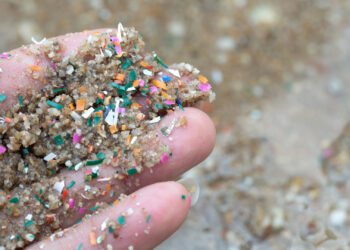
From the air we breathe to the food we eat, microplastics are invading our lives and health.
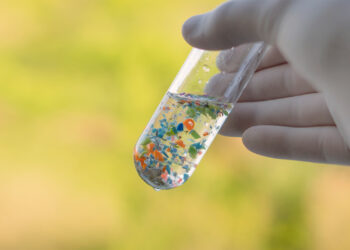
Plastic breaks down into tiny pieces that damage the environment and human health.
An international team of scientists has mapped microplastic distribution from the surface to the deep sea.
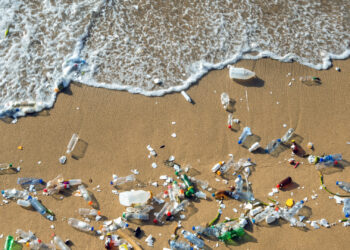
Plastic never was and never will be disposable, and neither are the people it poisons.
A similar proposal died in committee last year amid public opposition.