
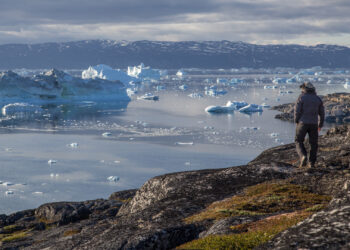
Forget owning Greenland — the real danger is its melting ice
The fate of Greenland is the fate of Miami and dozens of other coastal communities around the world.


The fate of Greenland is the fate of Miami and dozens of other coastal communities around the world.
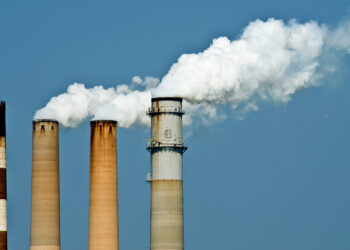
HB 1217 would ban government entities from adopting or enforcing policies aimed at reducing greenhouse gas emissions.
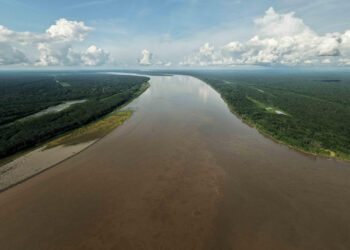
In November, our team traveled more than 2,560 miles on the Amazon River to film a climate documentary.
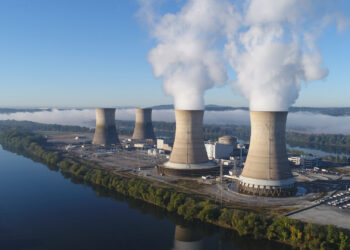
Corporations are gambling with new reactors to supercharge artificial intelligence (and profits).
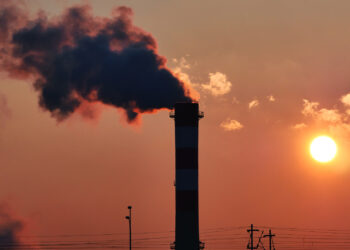
The UN Framework Convention on Climate Change had been ratified and signed by the US in 1992.
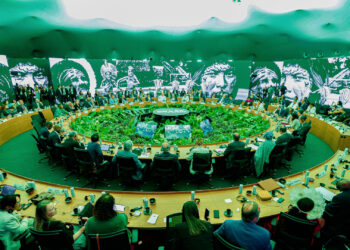
With the US in self-imposed isolation, China and other countries invested in renewables and committed to climate action.

At the Paris Agreement's 10-year anniversary, US climate commitments are being swallowed up by military spending.
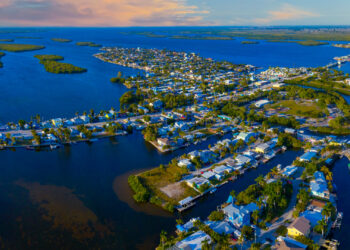
Rising greenhouse gas emissions could cause substantial melting and much higher sea levels.
The final negotiations were once again dominated by fossil fuel interests and delaying tactics.
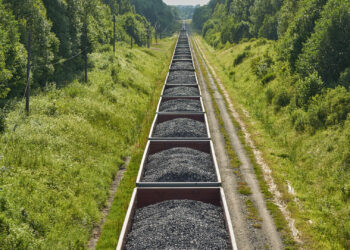
Coal is the dirtiest source of fossil fuel energy and a major contributor of greenhouse gas emissions.