
Are we losing our wildlife to benches and ballparks? UF/IFAS research shows how smart designs can avoid it
A first-of-its-kind study by University of Florida scientists provides insights on achieving harmony for smart urban park design.


A first-of-its-kind study by University of Florida scientists provides insights on achieving harmony for smart urban park design.
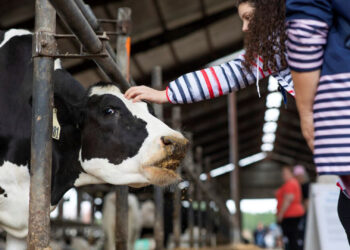
Methane, a potent greenhouse gas, is naturally emitted by cows during digestion.

By 2050, parts of Florida may see 70 days annually with temperatures of 91 degrees or warmer.
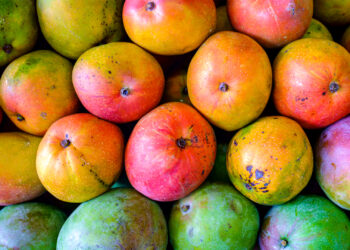
Even as warming and disease have eroded Florida’s citrus production, its mango industry has experienced a boom.
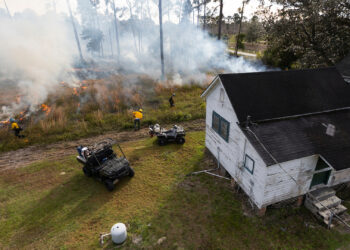
Every year, Florida conducts prescribed burns on more than 2 million acres – more than any other state.

Unlike armored shorelines, living shorelines offer flood and erosion protection without disrupting waterflow and marine life.
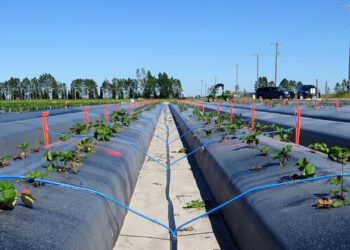
Conserving water is crucial for enhancing the sustainability of Florida’s $434 million-a-year strawberry industry.
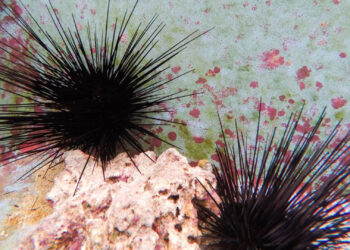
A major focus of the collaborative research is on how urchins can improve the growth and survival of corals.
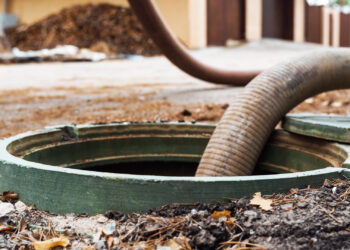
About 2 million Florida homes – or about 30% of the state’s residents – rely on septic to treat wastewater.

Foremost among changes at the marine research facility is the purchase of a new mobile lab.