
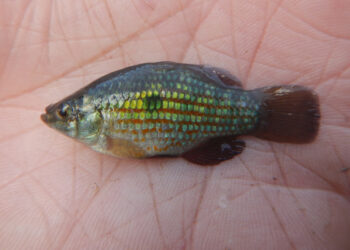
A small fish with a big job: The American flagfish and Florida’s troubled waters
Flagfish feed on algae, aquatic plants and mosquito larvae, keeping the water they inhabit in balance.


Flagfish feed on algae, aquatic plants and mosquito larvae, keeping the water they inhabit in balance.
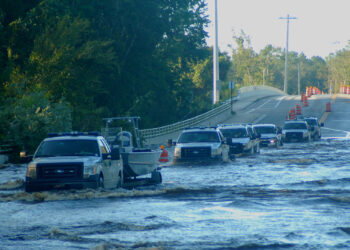
In Sackett vs. EPA, the high court rolled back protections for nature’s first line of defense.
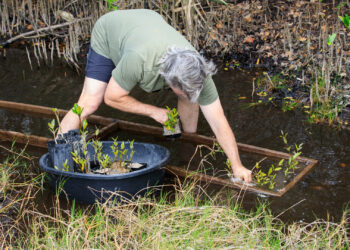
Making nature-based solutions easier to implement will make Florida communities safer.
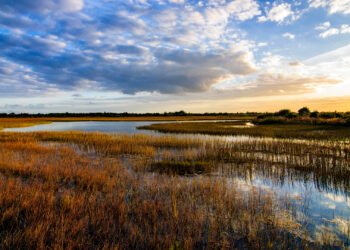
Research shows the carbon absorbed by the Everglades is equal to 10% of the emissions from Florida roadways.
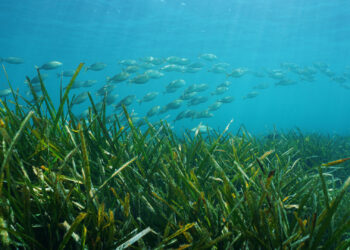
Science-based restoration and management are essential to sustaining the ecosystems that define Florida.
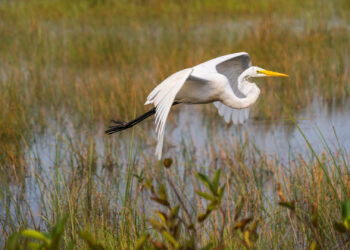
Restored wetlands across South Florida remove about 14 million metric tons of CO2 from the atmosphere each year.
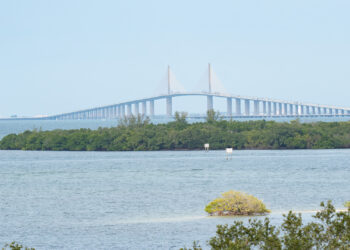
A cruise ship port has been proposed in Manatee County near Rattlesnake Key and the Sunshine Skyway Bridge.
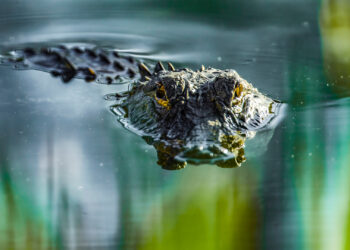
A growing field of research reveals the role that predators like alligators play in protecting their habitats and the planet.
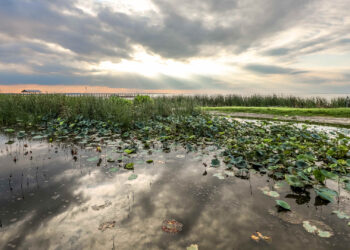
Methane is a powerhouse greenhouse gas, with a heat-trapping capability 80 times that of carbon dioxide.
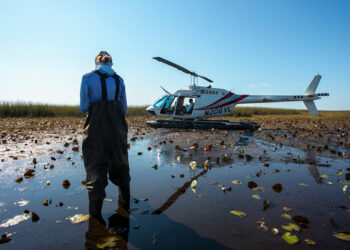
The research supports the U.S. Army Corps of Engineers’ Comprehensive Everglades Restoration Plan.