


By Thais Lopez Vogel, VoLo Foundation
While the world rightly views the climate crisis as the most urgent threat posed by our dependence on oil, coal and gas, there’s another, often overlooked consequence: Fossil fuels have long driven conflict, displacement and geopolitical instability.
As the conflict with Iran escalated, we once again witnessed how volatile the global fossil fuel market is, and how closely it is tied to the tides of war.
When Israel launched attacks on Iranian nuclear sites, oil prices surged due to fears of supply disruptions. Brent crude jumped nearly 8%, briefly topping $78.50, while West Texas Intermediate wasn’t far behind, rising over 7%, according to Oilprice.com.
That same source noted: “… when military conflict suddenly flares up with one of the world’s biggest oil producers, and they also happen to control the Strait of Hormuz, the market pays attention.”
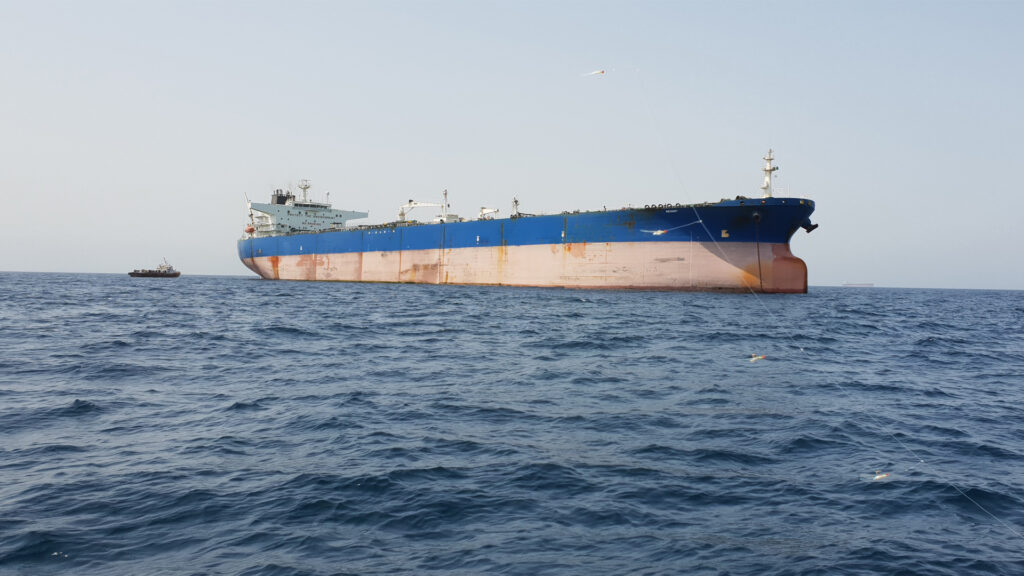
Reuters later reported that a second wave of anxiety hit markets in mid-June, after U.S. strikes targeted Iranian nuclear sites, intensifying fears of a wider conflict and potential damage to key energy infrastructure.
Although supply disruptions have been minimal so far, the risk of interference with oil shipments through the Strait of Hormuz remains a major factor driving market reactions.
Consider the major wars of the last century. Germany’s push into the Soviet Union during World War II was a desperate bid to capture the oil fields of the Caucasus. Japan’s 1941 invasion of the Dutch East Indies was motivated by the same need. In 1990, Saddam Hussein’s armed incursion into Kuwait wasn’t just a border dispute. It was a move to seize one of the richest oil reserves on Earth.
Now imagine a world where energy, one of the most critical drivers of modern conflict, is abundant, locally produced and impossible to monopolize. A world where power supply does not require war.
Green energy sources like solar, wind and hydro don’t just reduce carbon emissions. They dismantle the geopolitics of oil. They empower nations to generate their own electricity, reduce dependence on fossil fuel exporters and eliminate one of the central motives behind many modern conflicts.
Renewables also weaken the economic grip of authoritarian regimes that depend on oil revenues to fund repression and military aggression. A global transition to clean energy is not just an environmental imperative; it is a democratic and peace-building strategy.
Moving away from fossil fuels would also stabilize markets. It would reduce the stock market’s vulnerability to geopolitical shocks, supply chain disruptions and the volatility of oil prices. Investing in predictable, locally sourced renewable energy would foster greater economic stability across the globe.
This shift wouldn’t just soften the boom-and-bust cycles tied to oil dependency. It would unlock new avenues for innovation, create millions of jobs and support sustainable, inclusive growth.

And it’s not just about avoiding wars fought over oil. It’s also about preventing the wars that climate change itself will ignite. As fossil fuels heat the planet, they’re laying the groundwork for future conflicts over water, arable land, food security and forced migration.
We often talk about renewable energy in terms of saving the planet. That’s true, but incomplete. We must also talk about saving lives. Not just from rising seas or extreme heat, but from bombs, invasions and refugee crises.
A peaceful world requires more than diplomacy. It requires dismantling the infrastructure of conflict.
Transitioning to green energy is a double victory: It addresses the root causes of climate breakdown and removes one of history’s most dangerous triggers of war.
Thais Lopez Vogel is the cofounder and trustee of VoLo Foundation, a private family organization that exists to accelerate change and global impact by supporting science-based climate solutions, enhancing education and improving health. VoLo Foundation is a financial supporter of The Invading Sea. This piece was originally published at https://volofoundation.org/news/fossil-fuels-feed-wars-green-energy-fuels-peace/.
Sign up for The Invading Sea newsletter by visiting here. To support The Invading Sea, click here to make a donation. If you are interested in submitting an opinion piece to The Invading Sea, email Editor Nathan Crabbe at ncrabbe@fau.edu. Banner photo: A Kuwaiti oil field set afire by retreating Iraqi troops burns in the distance beyond an abandoned Iraqi tank following Operation Desert Storm (U.S. Navy; Public domain; via Wikimedia Commons).
