


By William McQuilkin, retired U.S. Navy rear admiral
At the end of June, Gov. Ron DeSantis vetoed funding that the Florida Legislature had approved to begin planning for restoration of the Ocklawaha River and — ultimately — removal of the Kirkpatrick Dam on Rodman Reservoir. I believe this action was misguided and is on the wrong side of history.
I have previously written about the numerous environmental benefits for the people of Florida, fish and wildlife that breaching dam would provide. I’ve also made the economic case for restoring the Ocklawaha River.
The dam was part of the ill-conceived Cross-Florida Barge Canal that was halted in 1971 by President Richard Nixon. This is not a hydroelectric dam and has never served its intended purpose.
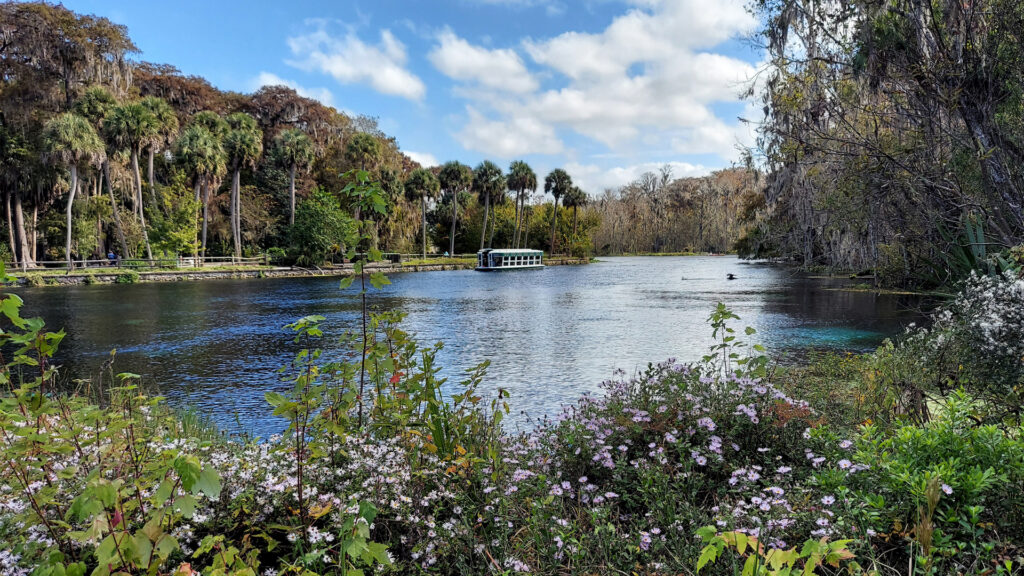
Rivers are about connectivity. Breaching the dam would reconnect the Ocklawaha River to Silver Springs, Silver River and the St. Johns River, thus improving the ecological health of the rivers. It would also uncover the 20 freshwater springs currently smothered by Rodman Reservoir (the artificial lake created by the dam).
This would allow the springs to flow and the rivers to run as nature intended. It’s also likely that the threatened Florida manatee would return in large numbers to the Silver River, seeking warm water refuge in the winter and the abundant food supply that a healthy river provides.
As part of the restoration plan, a restored flood-plain forest along the river (after draining the reservoir) would restore much-needed habitat and a critical linkage to the Florida Wildlife Corridor. This would benefit many species, including the critically endangered Florida panther.
The good news is that there is a better way. Recently, I had the opportunity to speak to a leader of the Yurok Tribe in California. The occasion was the removal of four dams along the Klamath River. I felt great joy at seeing young Yurok kayakers making an historic river journey, heretofore impossible because of the dams.
The tribal leader spoke about his surprise at how quickly the river is recovering. The dam removal went rather quickly and he thought this was the best water he had seen in 20 years. He said he never thought that he would see salmon spawn the first year in some of the tributaries but was elated when he did.
Most striking to me was the reverence to which the tribal leader referred to the Klamath River. He spoke of the spiritual elements of the river restoration, of a sacred landscape of places on the reservation that have special significance. The river had given him everything — his food source, means of income and his way of life.
I am not sure that it translates well into English (or it may be my own limited understanding), but he also spoke movingly of Creation and the Creator. What might we learn from this reverence for all life?

Like those Yurok youth making a historic river journey that had been impossible for almost 100 years, I know some river captains who would love to take passengers from the St. Johns River through a restored Ocklawaha River, all the way to Silver Springs.
There was a time when sternwheeler paddleboats plied these rivers and made this same journey with well-heeled passengers. With a little bit of imagination and entrepreneurial spirit, these routes could become viable once again.
British nature writer Robert Macfarlane’s excellent new book asks the question, “Is a River Alive?” I think this is a question well worth considering as we watch our rivers and springs decline in an age of massive losses in biodiversity. As Macfarlane writes, “Spring becomes stream becomes river, and all three seek the sea.”
To me, it really is that simple. Let’s breach the Rodman dam and let the Ocklawaha River seek the sea. Let the springs flow; let the rivers run.
William McQuilkin is a retired U.S. Navy rear admiral and outdoor enthusiast. He lives in Ponte Vedra Beach. This opinion piece was originally published by the Florida Times-Union, which is a media partner of The Invading Sea. Banner photo: Kirkpatrick Dam at the Rodman Reservoir (Florida State Parks).
Sign up for The Invading Sea newsletter by visiting here. To support The Invading Sea, click here to make a donation. If you are interested in submitting an opinion piece to The Invading Sea, email Editor Nathan Crabbe at ncrabbe@fau.edu.

Admiral McQuilken, I hope you have shared this with the Governor! Although he has little experience outdoors, he should hear from people other than the handful of trophy bass fishermen who want to keep the Rodman Reservoir and the handful of trophy hunters who want his bear hunt this December. Thank you for writing this excellent piece.