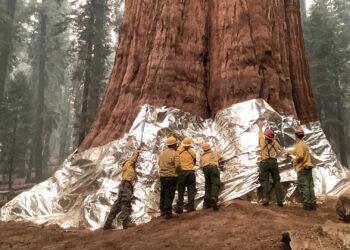
Managing forests and other ecosystems under rising threats requires thinking across wide-ranging scenarios
The rapid pace of climate change can affect ecosystems in ways that defy expectations based on past experiences.


The rapid pace of climate change can affect ecosystems in ways that defy expectations based on past experiences.
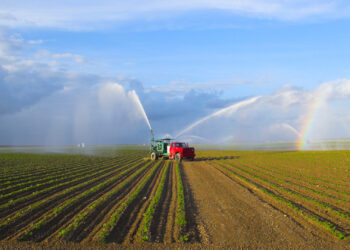
This award will support a multi-institutional research project aimed at revolutionizing the future of precision agriculture.
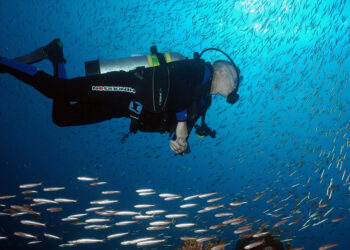
Our global study found that areas where industrial fishing is banned are largely succeeding at preventing poaching.
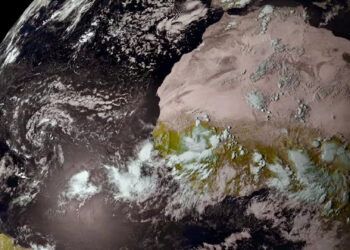
A University of Miami study shows how a major global climate pattern influences the systems that help seed Atlantic hurricanes.
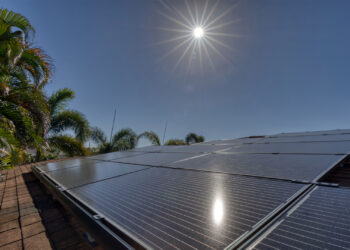
The day will demonstrate that clean energy is an immediate, practical solution to our current energy challenges.
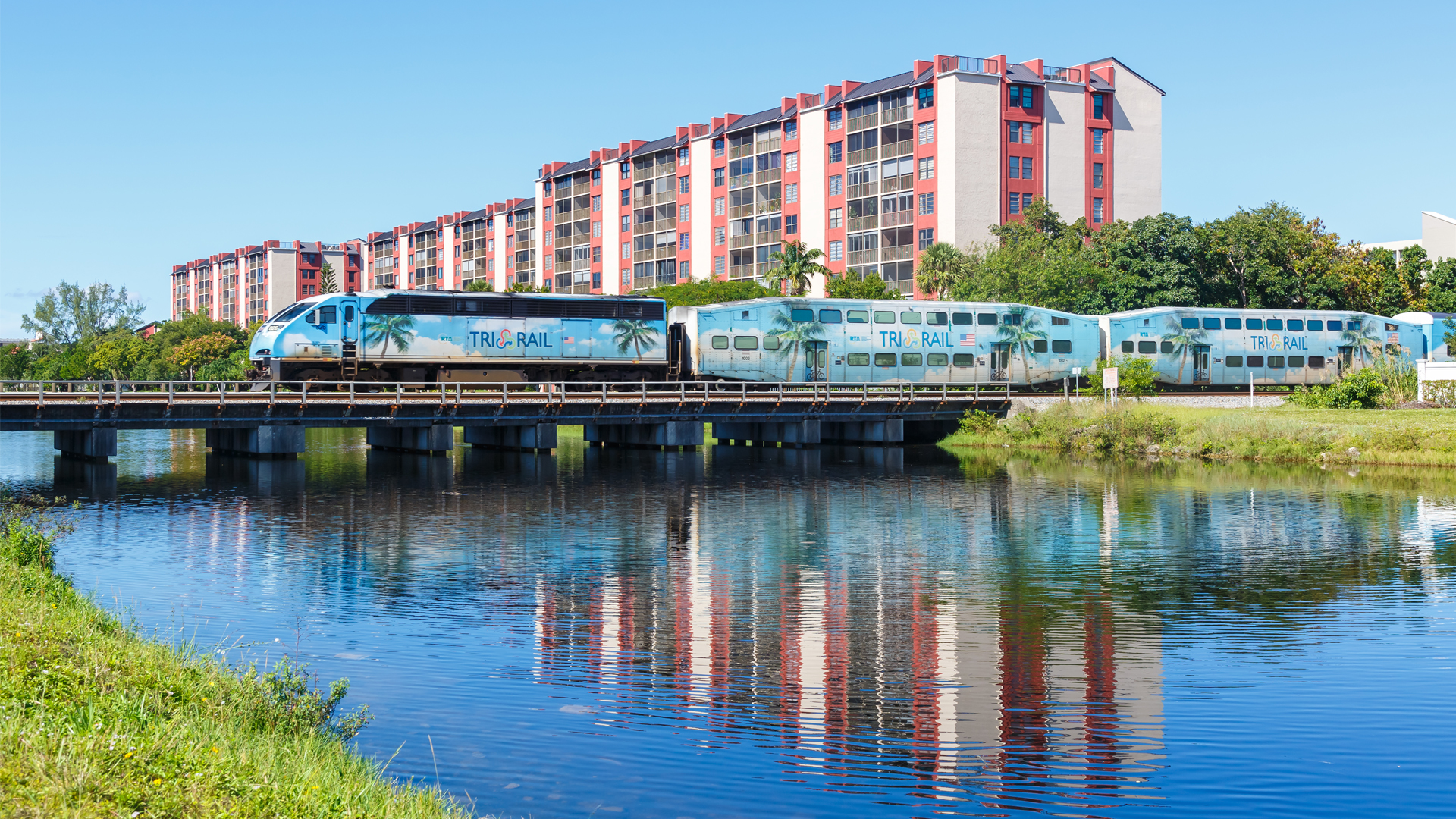
The Florida Department of Transportation is poised to cut Tri-Rail funding to $15 million annually from $62 million.
The biggest danger by far is hurricane-related wind damage, followed by flood risk and wildfire risk.
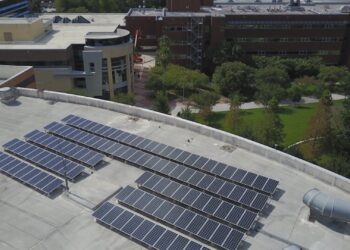
Gutting sustainability doesn’t make universities 'efficient' – it makes them more vulnerable and more expensive to run.
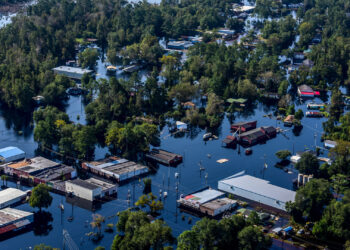
Assessing risk, whether from hurricanes, regulation or technological disruption, is the essence of responsible investing.
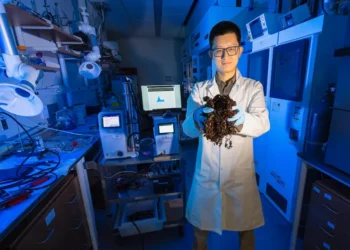
A University of Miami doctoral student is experimenting with sargassum to produce fluorescent carbon dots.