


By Daphne Wysham, Methane Action
We often hear about the warming risks of carbon dioxide in the atmosphere. But that’s not the only greenhouse gas we need to worry about after this brutally hot summer.
Methane levels in the atmosphere are still rising at a record pace, despite pledges by 159 countries to cut methane emissions 30% by 2030.
In fact, atmospheric methane concentrations climbed faster in the last five years than at any time since measurements began. This could push the planet toward a potentially irreversible “Hothouse Earth” state, with temperatures 7-10 degrees F (4-5 degrees C) higher than preindustrial levels.
Now, the good news: methane is short-lived. Unlike carbon dioxide, which lingers for centuries, methane breaks down in the atmosphere in roughly a decade. If we slash methane emissions now, global warming could slow by as much as 0.4 degrees C (0.7 degrees F) by 2050.
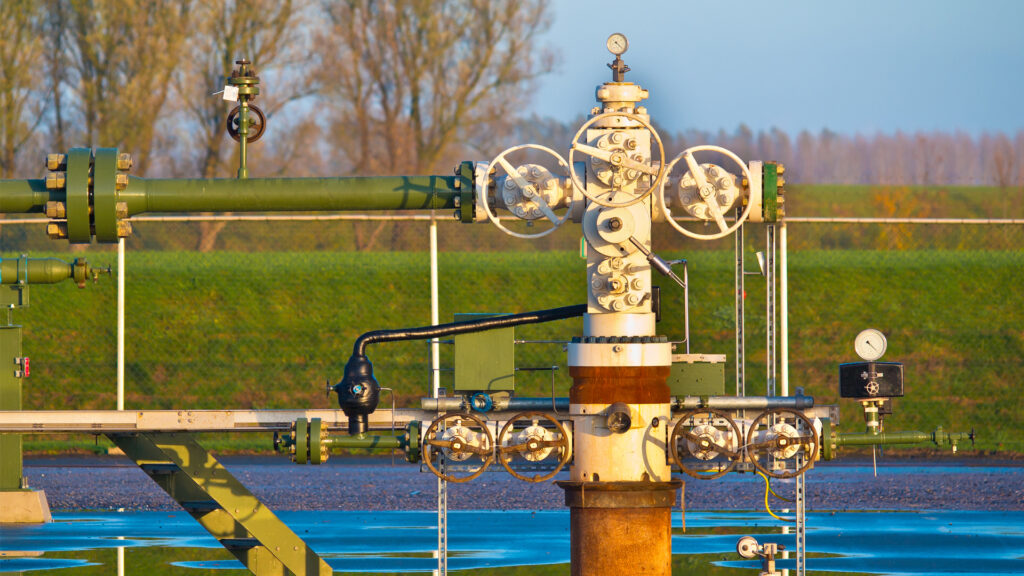
Slashing methane is the climate’s emergency brake, which could slow the runaway train of warming long enough for us to get other greenhouse gas emissions under control.
Scientific bodies, including the Intergovernmental Panel on Climate Change, affirm that cutting methane is one of the fastest, most effective ways to slow climate change. But that requires action now — and so far, the major methane emitters aren’t acting.
Oil, gas and coal companies continue to vent and flare methane, even though plugging leaks is one of the cheapest, easiest climate actions available. And Big Meat and Dairy are borrowing from the tobacco playbook — denying, delaying and distracting — even as livestock operations pump out methane on an industrial scale.
To change this, we need a coordinated global campaign to regulate methane, both in the U.S. and abroad.
The European Union has led the way with groundbreaking methane rules that could slash global oil and gas methane emissions by around 30%. Starting in 2027, the EU rules mandate strict leak detection, reporting and new methane-intensity standards for imported fuels.
But they’re already coming under pressure from the Trump administration, which is pushing a massive energy trade package totaling $750 billion in U.S. energy purchases.
Industry lobbyists argue that EU methane regulations are a “nontariff barrier” to U.S. LNG exports. They’re seeking to roll back the EU’s methane standards in order to sell more of this ultra methane-intensive fuel to Europe.
In Europe, Ukraine may offer an alternative. It can power Europe three times over with its vast wind energy potential. That’s why groups like Elected Officials to Protect America are calling for a new “Marshall Plan” to help Ukraine become a clean energy shield for Europe.
State and local governments in the U.S. can also act.

Building on California’s pioneering methane rules, the Subnational Methane Action Coalition (SMAC) brings together states, provinces and local governments around the world to cut methane emissions under their own responsibility. From the U.S., California, Colorado and Maryland have all joined.
Global action on methane is essential — and we need to start now. The 2021 Global Methane Pledge promised to cut methane 30% by 2030. But halfway to the deadline, emissions are still going up.
Solutions exist. Technology to detect and fix leaks is available. Policies to hold methane emitters accountable are on the table. But time is running short.
If we act now, this story could still have a happy ending. Rapid methane cuts now could slow near-term global warming, head off feedback loops and open the window of time we need to decarbonize.
Daphne Wysham is CEO of Methane Action, coordinator of the Methane Emergency Brake Campaign and moderator of a Climate Week NYC event on meeting the methane emergency. This op-ed was distributed by OtherWords.org. Banner photo: A flare burning off gas at an oil refinery (iStock image).
Sign up for The Invading Sea newsletter by visiting here. To support The Invading Sea, click here to make a donation. If you are interested in submitting an opinion piece to The Invading Sea, email Editor Nathan Crabbe at ncrabbe@fau.edu.
