


By Michele Drucker, Florida Green Schools PTSA
Miami-Dade recently awarded three companies $100,000 each to pilot composting and waste-diversion technologies — the first meaningful step toward a true zero-waste system. These pilots will help reduce methane, improve soil health and support our schools and families in reducing waste.
But while the county is investing $300,000 in composting innovation, it has also approved moving forward with a $1.9 billion incinerator — a facility whose operational model directly conflicts with the very waste-reduction practices we are trying to build.
This contradiction cannot be ignored.
Incinerators rely on the waste we should be eliminating
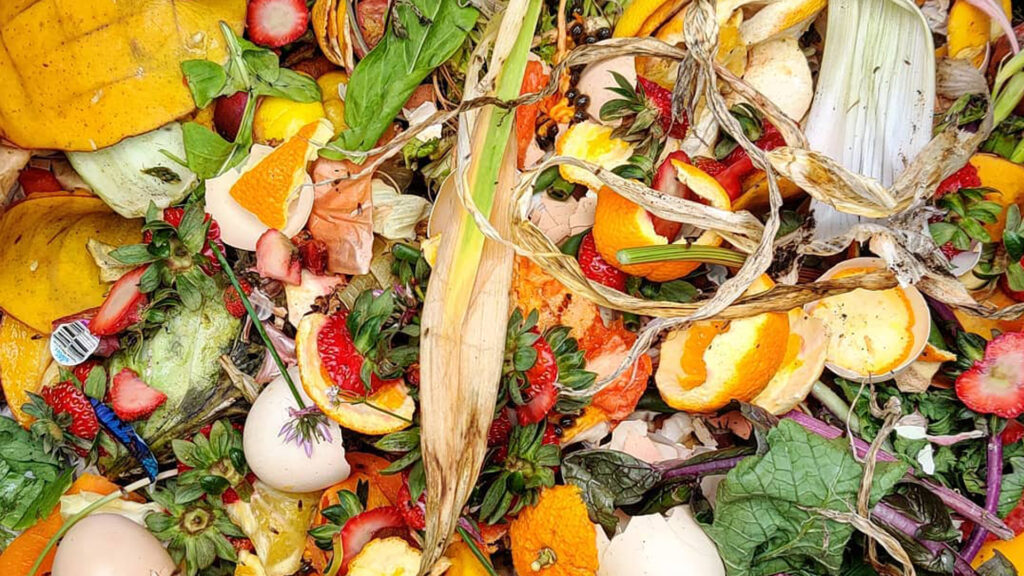
Forty percent of Miami-Dade’s waste stream is organic material. Composting turns those scraps into soil; incinerators require them to cool combustion. Without organics, incinerators overheat. And because our waste stream is increasingly saturated with single-use plastics, many incinerators nationwide already burn too hot, increasing toxic emissions and operational hazards.
A system that depends on burning plastics and food waste is fundamentally incompatible with a system designed to eliminate plastics and recover food scraps.
County bond rules worsen the conflict
Under Miami-Dade’s waste bond ordinance, the county must avoid or limit programs that “compete” with the incinerator’s business model. Composting, recycling, Pay-As-You-Throw (PAYT), reuse centers, repair cafés, school dishwashing hubs and construction-material recovery are all threatened by this requirement.
The county is funding organics diversion with one hand while committing to infrastructure that will force us to stop diverting with the other.
Incineration is a public-health hazard — no matter the marketing
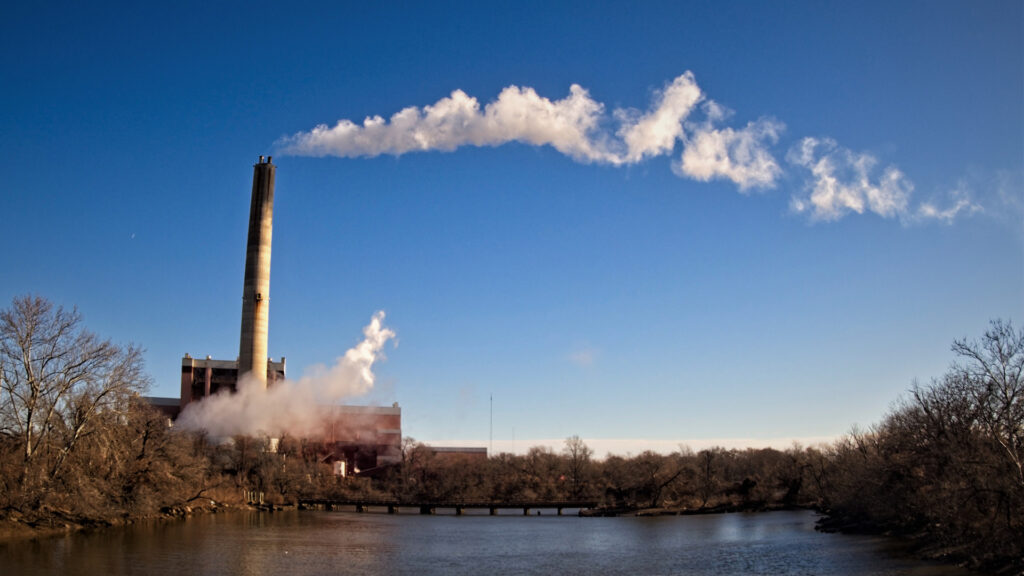
National Resource Defense Council Senior Resource Specialist Darby Hoover warns that all forms of waste incineration — including “waste-to-energy” and “chemical recycling” — release dangerous pollutants: particulate matter, mercury, lead, PFAS (forever chemicals) and dioxins.
These substances travel into air, water, soil, and food. Decades of emissions from U.S. incinerators account for up to 80% of the dioxins now contaminating Arctic wildlife — thousands of miles from any smokestack.
Closer to home, 80% of U.S. incinerators are in communities where residents are low-income, people of color, or both. Public health must matter more than political convenience.
Zero waste creates thousands of jobs. The incinerator will employ fewer than 150 people
A full zero-waste buildout creates jobs in composting, hauling, recycling, reuse, construction-material recovery, dishwashing hubs and repair enterprises — green-sector work rooted in local communities. Even when resized to match the smaller incinerator scale, a zero-waste system would still create thousands of jobs across Miami-Dade.
By contrast, facilities similar in size to the one Miami-Dade is pursuing — including Palm Beach County’s — employ fewer than 150 workers.

Zero waste is cheaper
After resizing for the county’s smaller facility, a complete zero-waste system is estimated to cost $900 million to $1.4 billion — far less than the $1.9 billion price tag of the incinerator, with none of the long-term liabilities.
In addition, the small fraction of residual waste that must be landfilled can be affordably shipped to out-of-county landfills, which is dramatically less expensive and less environmentally harmful than incineration.
Miami-Dade cannot celebrate composting while simultaneously building infrastructure that requires us to stop composting.
The choice is clear: We can burn our future, or we can build it.
Michele Drucker is president of the Florida Green Schools PTSA. Banner photo: Incinerator smokestacks (iStock image).
Sign up for The Invading Sea newsletter by visiting here. To support The Invading Sea, click here to make a donation. If you are interested in submitting an opinion piece to The Invading Sea, email Editor Nathan Crabbe.

Case in point – Organix, Inc., a national company that works with entities like Wal-Mart and Costco, Is currently being sued by Palm Beach County for diverting food for composting because it violates the county’s “flow control” rules that requires all solid waste to go to their incinerators. Are food scraps solid waste? Even though not specifically defined in the county’s legislation, the position of the county is that food is not a recoverable resource (like paper or cardboard) but solid waste, thus allowing the county to exercise flow control.
Food is a resource. And it’s recoverable. Palm beach county has 2 incinerators capable of processing 1.8 million tons/yr. They overbuilt their incinerator capacity and need to fill it. Why doesn’t MDC contract with PBC to use their excess capacity if MDC is so interested in incineration? At $42/ton, I bet it is a whole lot cheaper than building our own incinerator OR shipping our trash to Georgia on rail.