


By Abdurrahman “Abdu” Bejjaj, Ignition Packaging
Along coastlines around the world, one pollutant appears in volumes that point not only to careless disposal, but to the consequences of material design itself.
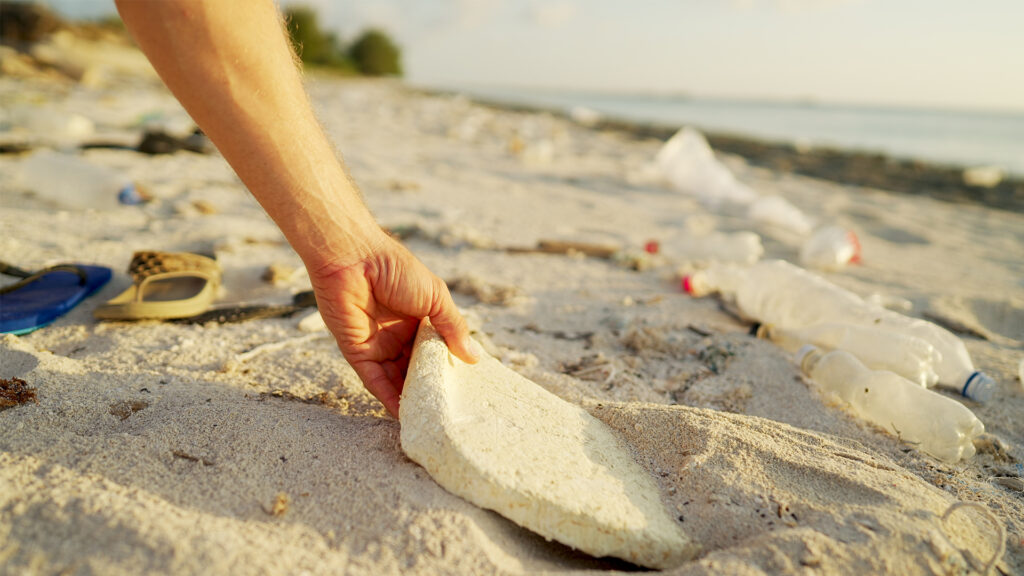
Polystyrene foam, commonly known as Styrofoam, is engineered to be rigid, lightweight and durable. Those same qualities make it environmentally persistent. Instead of safely decomposing, sunlight fractures the material into microplastics that spread through waterways, absorb toxins and accumulate in marine life for centuries.
Few alternatives match polystyrene’s combination of strength, low weight, insulation and affordability. Many biodegradable options struggle with durability or require specialized processing.
Consumers experience the consequences. Industrial design determines the outcome.
The persistence of polystyrene is not a mystery; it is the result of material choices optimized for cost and performance while discounting environmental fate. In response, a growing group of materials innovators are working to design foam from the ground up. Ignition Packaging, a Florida-based biomaterials company, is developing alternatives derived from agricultural waste/crop residues that aim to match the structural and functional performance of conventional foam while enabling predictable biodegradation after use.
One of the most promising paths forward is using agricultural byproducts and cellulose-rich residues as feedstocks for biodegradable foams. Cellulose, the most abundant organic polymer on Earth, forms natural bonding networks that can be engineered for strength and controlled environmental breakdown.
Agriculture produces vast amounts of cellulose-rich residues worldwide, from crop leftovers to processing waste, without additional land or water. In the United States, hundreds of millions of tons go underutilized each year. Similar opportunities exist globally, creating a truly scalable opportunity for next-generation packaging materials.
Ignition Packaging’s work sits squarely within this shift, focusing on converting agricultural waste into cellulose-forward biopolymer foams. By collecting and valorizing crop residues, Ignition Packaging reduces waste management burdens for agricultural producers while creating new, low-cost value streams.
The formulations are engineered for compressive strength, moisture resistance and controlled biodegradation; qualities required to compete meaningfully with traditional plastic foam. Since the raw materials originate from agricultural byproducts, the system remains inherently circular: agriculture feeds manufacturing, and the end product safely returns to the environment.
Chemistry alone, however, does not guarantee adoption. For biodegradable materials to replace polystyrene at scale, they must function within existing manufacturing infrastructure. Retooling entire factories is prohibitively expensive. This is why recent R&D at Ignition Packaging focuses on refining the production process itself, enabling “drop-in” use with existing molds and machinery, a critical step toward real-world adoption.
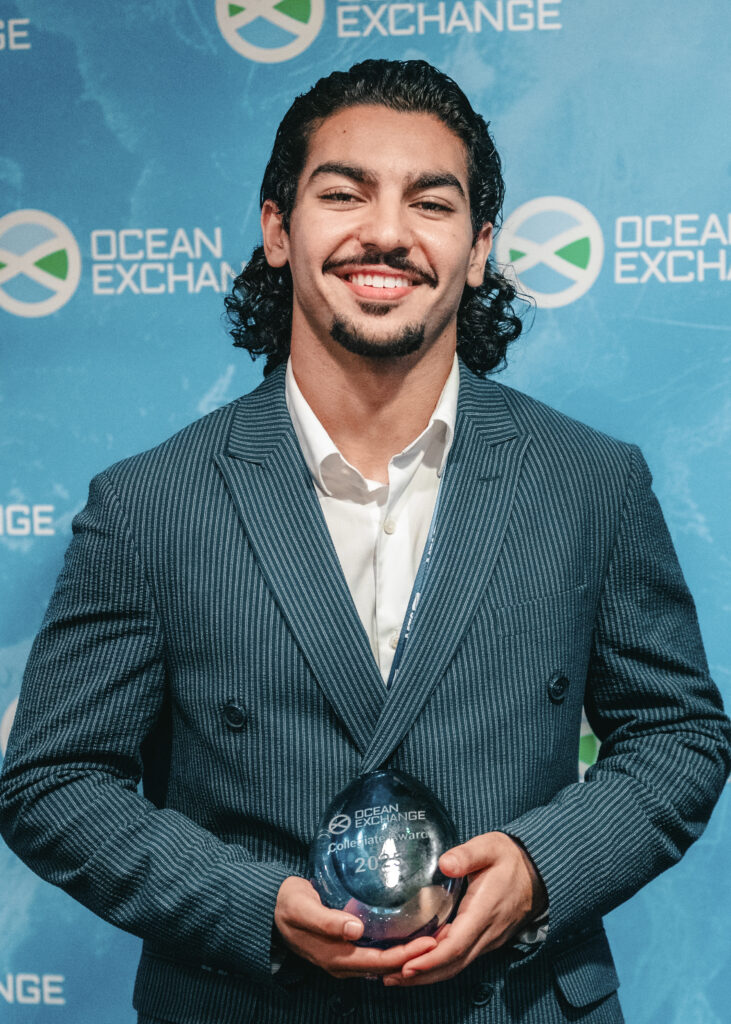
Momentum behind these solutions is accelerating. Ignition Packaging’s recent win of an Ocean Exchange Collegiate Award reflects growing attention toward bio-based materials that address marine pollution while meeting industrial performance requirements. Recognitions like this highlight both the urgency of the problem and the practicality of emerging solutions.
A future where polystyrene is replaced by biodegradable, agriculturally derived foams — engineered for industrial compatibility and global supply — remains scientifically realistic and economically sound. That transition is not theoretical. It is already underway, with Ignition Packaging igniting the change.
Abdurrahman “Abdu” Bejjaj is the founder and CEO of Ignition Packaging, a company developing next-generation biodegradable foams that is based at San Felasco Tech City in Alachua, Florida. Banner photo: Boxes made from polystyrene foam (iStock image).
Sign up for The Invading Sea newsletter by visiting here. To support The Invading Sea, click here to make a donation. If you are interested in submitting an opinion piece to The Invading Sea, email Editor Nathan Crabbe.
