


By Michele Drucker, Florida Green Schools PTSA
When Floridians think about the future of our state, the conversation often turns to flooding streets, stronger storms and strained infrastructure. Those risks are real. But some of the most effective solutions begin far from the shoreline: inside our public schools.
Florida Senate Bill 1464 is a practical example of governance that works. The bill is sponsored by Ana Maria Rodriguez, a South Florida Republican and chair of the Senate Environment and Natural Resources Committee, and championed in the House by Michele Rayner, a Democratic leader on the Natural Resources and Disasters Subcommittee. It advances a simple but powerful framework known as the triple bottom line: people, planet and prosperity.
People: Reducing food insecurity and protecting student health
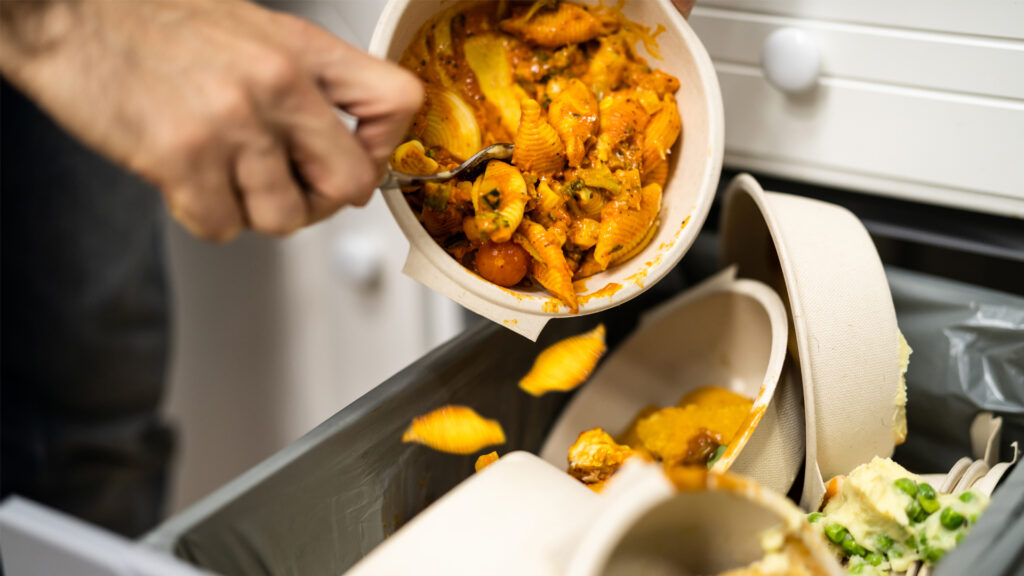
Every day, Florida schools discard enormous amounts of edible food while families across the state struggle with food insecurity. Schools are one of the largest sources of institutional food waste in Florida and nationally. Across the country, schools throw away an estimated $5 million in edible food every day — almost $1.5 billion each year.
SB 1464 addresses this disconnect by allowing schools to partner with local food banks or nonprofits to recover and redistribute edible cafeteria food. It also provides coordination with the Florida Department of Agriculture and Consumer Services, which already operates a successful Farm to School program and promotes cafeteria share tables where unopened food can be safely shared rather than discarded.
This bill closes the loop by adding what’s been missing: a school-to-farm component. Food scraps that cannot be eaten are diverted to compost or animal feed, returning nutrients to Florida’s agricultural system instead of landfills or incinerators.
The bill also prioritizes student health by reducing reliance on single-use plastics. The scale of plastic waste is staggering. Miami-Dade County Public Schools alone discard roughly 45 million plastic sporks every year. Those plastics break down into microplastics that children ingest.
Research shows that microplastics can disrupt the endocrine system, affecting growth and sexual development, and they accumulate in the body. Scientists have now detected microplastics in human blood, lungs, reproductive organs and even brain tissue, raising serious concerns, especially for children whose bodies and brains are still developing.
Planet: Tackling a major climate driver that is often ignored
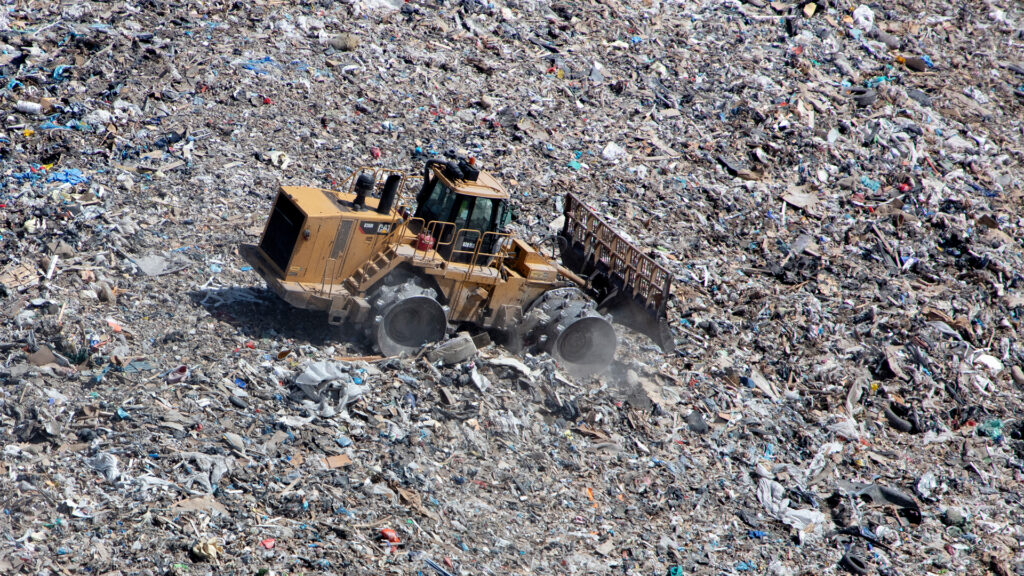
Food waste is one of the most underrecognized drivers of climate pollution. When organic waste is landfilled or burned, it produces methane, a greenhouse gas far more potent than carbon dioxide.
According to Project Drawdown, reducing food waste is the third most impactful climate solution globally, with a greater potential impact than electric vehicles and rooftop solar combined. SB 1464 tackles this problem where it starts – at the point of generation by redesigning the cafeteria’s flow to recover value instead of creating waste.
Plastic reduction matters too. Millions of single-use plastic items flow through school cafeterias each year, many ultimately reaching waterways and the ocean. Reducing waste upstream protects Florida’s coastlines downstream.
Prosperity: Fixing a broken food system
This bill is needed because school food and nutrition programs are not designed to manage waste. Their responsibility is to secure reimbursement for meals that meet U.S. Department of Agriculture dietary guidelines — not to address what happens after food is served. The downstream impacts of food and plastic waste are not prioritized by any agency.
By formally involving the Florida Department of Agriculture, SB 1464 brings the right expertise to the table. Composting and food recovery create local jobs and strengthen Florida’s agricultural economy. Florida’s farmers must import soil because the state’s limestone underlayer requires topsoil amendment. They need this organic material — not our landfills.

Just as importantly, the bill teaches children a foundational lesson: Food is not waste.
A bipartisan path forward
SB 1464 proves that environmental stewardship, fiscal responsibility and public health are not competing goals. Waste is inefficiency. Inefficiency costs money, harms health and damages the environment.
If Florida is serious about protecting its people, its natural resources and its economy, this bipartisan approach deserves broad support. Sometimes the smartest solutions don’t arrive with grand speeches. Sometimes they begin by rethinking a plastic spork — and what we choose to throw away.
Michele Drucker is president of the Florida Green Schools PTSA. Banner photo: Students eating in a school cafeteria (iStock image).
Sign up for The Invading Sea newsletter by visiting here. To support The Invading Sea, click here to make a donation. If you are interested in submitting an opinion piece to The Invading Sea, email Editor Nathan Crabbe.
