


By Susan Nugent
How many of us covered our plants during Florida’s recent cold weather? For the last part of it, I did. One friend commented that my yard looked as if homeless people were sleeping there.
My bromeliads were tucked in under bedspreads, sheets, towels – anything large enough to cover the plant. (Yes, I know there are specific plant covers, but my supply is limited.) I was attempting to save my bromeliads. Their survival rate remains questionable.
My home is in U.S. Department of Agriculture Hardiness Zone 9A. When I moved to Gainesville, the zone was 8A, but hotter summers and concomitant changes have affected that zone designation. Zones exist to identify where a plant best survives.
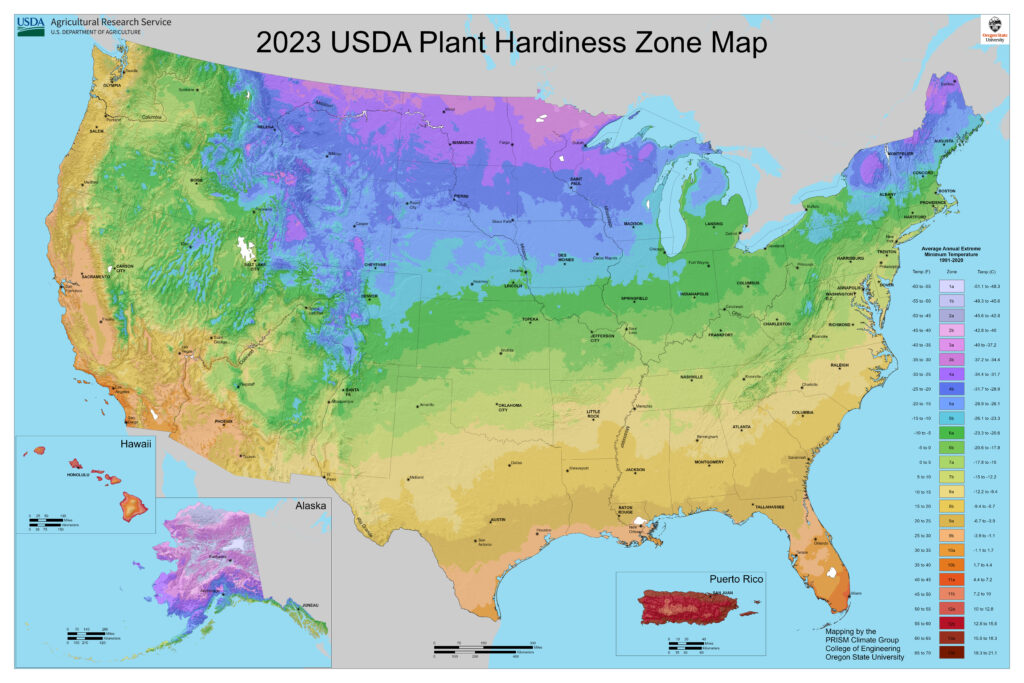
In New Hampshire, the zone helped us identify cold-hardy plants. Sensitive tomatoes were covered at the first mention of frost, usually around Sept. 15. At the other end of the East Coast, the Florida Keys, the zone helped me know which plants probably would not survive the summer heat.
Plants, like Goldilocks, really want “just right” conditions. It’s become the mantra of Florida-Friendly Landscaping and Master Gardener volunteers: “Right plant, right place.” But our changing climate is challenging to both plants and gardeners.
The University of Florida IFAS Extension Service’s “Florida-Friendly Landscaping Guide to Plant Selection & Landscape Design” publication lists bromeliads as zones 8 to 11. Zone 8’s temperatures run to a low of 10 degrees F. Based on recent reactions from my bromeliads, many could not survive that low temperature without help.
Recently, a long-planned trip took me out of town. The week began with very cold temperatures in Gainesville, according to weather records. Nightly lows dipped into the low-to-mid 20s, and daytime highs struggled to break out of the 50s. None of my plants had been left covered.
On the fringe of my planting bed, 10 plants suffered from the cold while the surviving ones were protected by a Shumard oak. Not only do its branches spread directly above the bromeliads, the fallen leaves have added insulation – “right plant, right place.”
In contrast, the damaged plants suffered without the Shumard oak, living beyond the spread of branches and receiving only leaves blown to them by the wind. During the second cold weather strike, all of these bromeliads were covered.
Can we rely upon zone designations to determine which plants we add to our gardens? Because of climate change, zones are becoming less predictable as our summers get hotter and wetter.
Scientific evidence shows that the global average concentration of atmospheric carbon dioxide reached a record high of more than 422 parts per million in 2024. Rising levels of carbon dioxide and other greenhouse gases has increased our global temperatures by about 2 degrees since pre-industrial times.
We’ve experienced these increasing temperatures here in Florida and have seen the effect upon our gardens, including many plants wilting each day in the blazing sun. Some of those plants no longer recuperate during the nights.
Some people have trouble acknowledging increasing global temperatures while they are experiencing frigid weather. When we think of the increases, we consider the entire planet. But when we experience cold weather, we focus on ourselves and our own individual experiences.
As global temperatures have risen, scientists have observed changes in the behavior of the jet stream. These changes can occasionally bring unusually warm conditions farther north and allow cold Arctic air to dip farther south into the United States, contributing to cold winter weather in places such as the Midwest and Southeast. Some people and plants even saw snow in Gainesville!
Determining the best zone for a plant isn’t as easy as it once was. As gardeners, we need to think about planting zones differently. If the plant is listed as appropriate for zones 8 to 11, we might spend more time thinking about which of those three zones actually is best for this plant. Let’s stop to consider mitigating circumstances that might help this plant survive.
We need to evaluate our positioning of plants and reconsider whether they might be happier moving. Certainly, I’ll be moving my bromeliads to greater protection.
Susan Nugent is a Climate Reality Project leader from Gainesville. Banner photo: Flowers being planted in a yard (iStock image),
Sign up for The Invading Sea newsletter by visiting here. To support The Invading Sea, click here to make a donation. If you are interested in submitting an opinion piece to The Invading Sea, email Editor Nathan Crabbe.
