


By Steve Adelstein, Eco World Water
When people think of Florida, they picture shimmering blue springs, winding rivers, vast estuaries and coastal waters teeming with life. These iconic waterways aren’t just scenic. They are the lifeblood of our economy, ecosystems and identity. Water is Florida.
But these waters are under growing pressure from a less visible threat: nitrogen pollution.
Nitrogen is a nutrient naturally found in our environment and added through fertilizers, human waste and stormwater runoff. It helps plants grow. But when too much nitrogen enters our waterways, even in small amounts, it disrupts the balance of aquatic ecosystems. It feeds algal blooms, clouds water, kills fish by stripping oxygen and turns vibrant habitats into dead zones.
Many Floridians recognize the symptoms, like algae choking springs or fish kills in estuaries, but not the underlying cause. One of the biggest culprits is wastewater.
Even treated wastewater discharged from conventional treatment plants can contain nitrogen levels high enough to harm rivers, bays and springs. It is treated, but not treated enough. That has to change.
We must stop nitrogen at its source: the wastewater treatment plant. The most effective protection for Florida’s waters starts with preventing nitrogen from getting into them in the first place. Today, advanced wastewater systems can remove nitrogen to near-zero levels before discharge, before damage and before blooms begin. This is not a cleanup. It is prevention.
Florida’s springs, estuaries and lakes evolved under ultra-low nutrient conditions. Even modest increases in nitrogen can tip these systems into decline. Once seagrass dies or a spring goes green, restoration takes years and enormous public investment, and success is far from guaranteed.
Few places illustrate the stakes more clearly than Lake Okeechobee.
Lake Okeechobee is the heart of the Florida Everglades, which provides the drinking water of over 8 million Floridians by replenishing the groundwater used for public supplies. It is also the center of one of the state’s most complex water management systems.
When nitrogen-laden water accumulates in the lake, it ultimately gets released east and west, fueling algal blooms, harming fisheries, and affecting tourism and public health from the Indian River Lagoon to the Caloosahatchee River. If we do not remove nitrogen upstream at the wastewater plant, it ends up downstream everywhere.
This is not hypothetical. Florida has already invested heavily in water restoration. But those gains will remain fragile until we stop allowing nitrogen-rich effluent into our most sensitive waters.
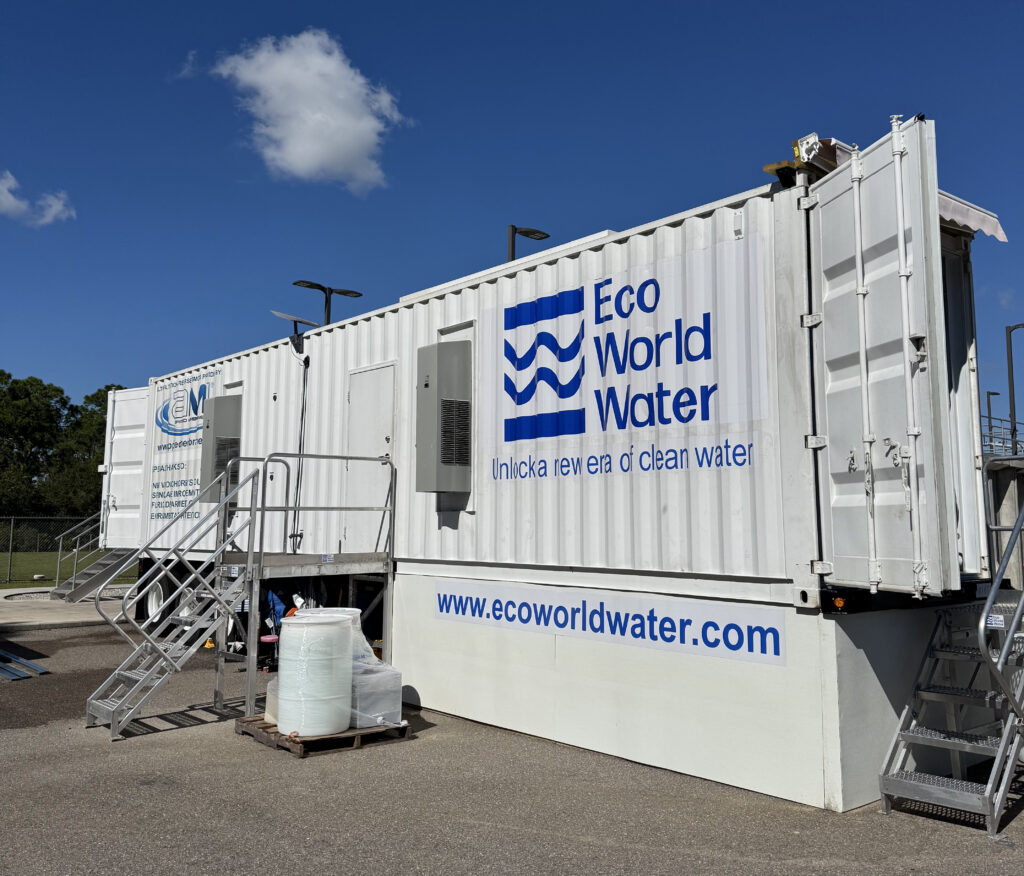
The good news is that we have the tools. Eco World Water has demonstrated Florida’s first and only wastewater treatment system capable of removing total nitrogen to non-detect levels, below 0.1 milligrams per liter, at operational scale. This achievement is the result of over a decade of focused research and development and is powered by Eco’s patented Separator technology, which enables full-spectrum treatment from raw wastewater to finished product in under 15 minutes.
Unlike conventional biological systems that require days and still struggle to meet 3 milligrams per liter, Eco’s integrated system combines physical separation, ultrafiltration, UV disinfection and reverse osmosis to deliver near-zero nitrogen in real-world flow conditions. Independent testing confirms no other treatment facility in Florida is delivering this level of performance in full-scale operation.
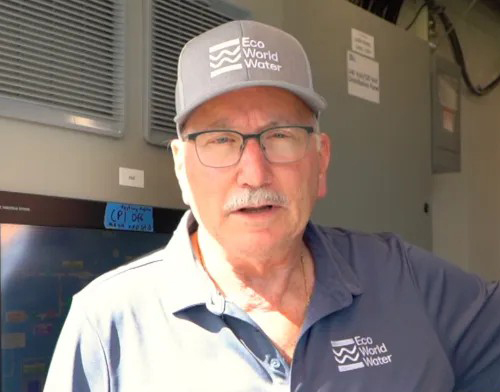
The barrier is no longer technology. It is commitment.
Florida’s water legacy is still within our control, but only if we focus on removing nitrogen before it enters the system.
We do not have time for vague promises or slow rollouts. Clean water is essential to our health, economy, and environment. It is part of who we are.
Let’s protect it, starting at the source.
Steve Adelstein is executive chairman of Eco World Water. Banner photo: Algae in Lake Okeechobee (iStock image).
Sign up for The Invading Sea newsletter by visiting here. To support The Invading Sea, click here to make a donation. If you are interested in submitting an opinion piece to The Invading Sea, email Editor Nathan Crabbe.
