
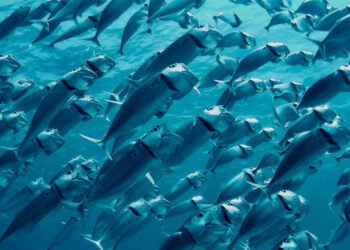
El Niño is back, and ocean temperatures are already near record highs – that can spell disaster for fish and corals
El Niño can wreak havoc on the many marine ecosystems that support the world’s fishing industries.


El Niño can wreak havoc on the many marine ecosystems that support the world’s fishing industries.
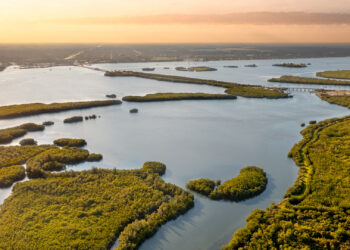
Coastal acidification threatens the ability of shell-building marine organisms to grow and thrive.
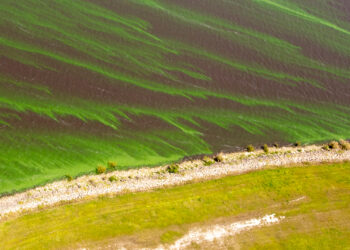
When too much nitrogen enters our waterways, it feeds algal blooms, clouds water and kills fish.

The nutrients in effluent from these systems contribute to harmful algal blooms that affect people and wildlife.
Small, stubborn acts of care compound the same way neglect does, only in the opposite direction.
More than $600,000 will fund development of 3D-printed structures that filter phosphorus from water bodies.
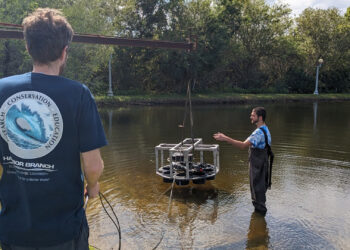
The CAROSEL is an underwater monitoring system to study how nutrients move between sediments and the water above.
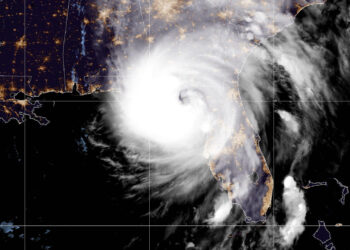
Proposed cuts would harm critical services from algal bloom prediction modeling to protecting environmentally sensitive areas.
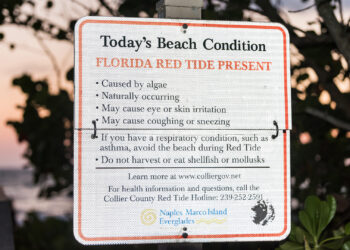
Even in years with smaller blooms, the health and financial impacts can be severe.
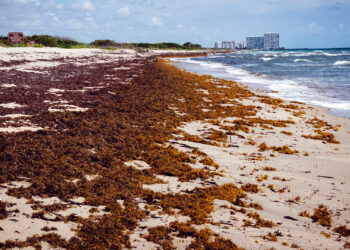
More than half a million Floridians work in ocean-related sectors, contributing nearly $40 billion to the state’s GDP.