


By William McQuilkin, retired U.S. Navy rear admiral
I recently had a chance to spend an instructive afternoon on the Ocklawaha River with Capt. Karen Chadwick of North Star Charters. Though I have been on the river many times before, this was a special boat trip at an important time with the most knowledgeable guide I know.
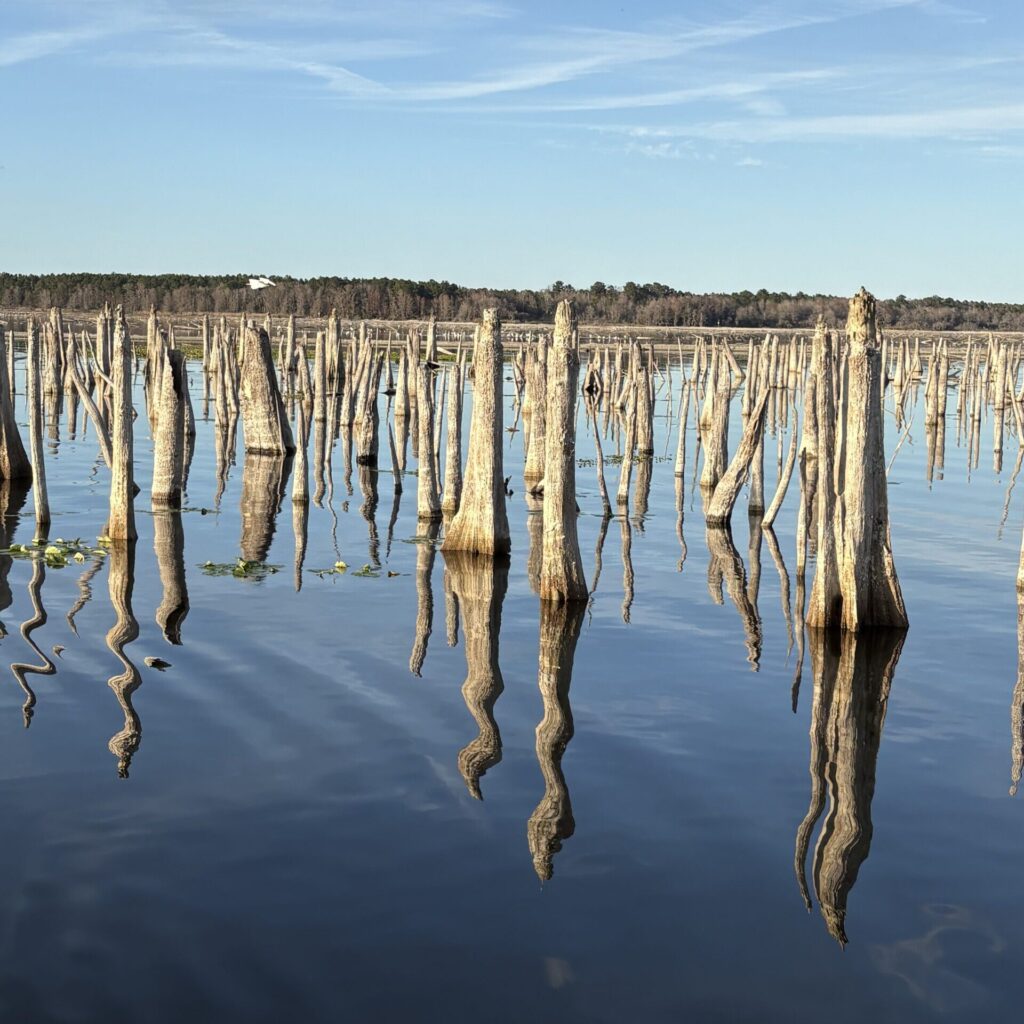
The Rodman Reservoir is lowered (known as a drawdown) about every five years to reveal an eerie waterscape. Along the river were miles of dead tree stumps sticking out of the water, a literal tree graveyard, something that wouldn’t be out of place in “Lord of the Rings.”
The reservoir is a lake created when the Ocklawaha River was dammed over 50 years ago.
This was my first time seeing the river in drawdown. It provided a different perspective, a chance to truly comprehend man’s ill-advised attempt to control the natural processes of the river, of the devastation that can be wrought by human hands. It also offered the chance to appraise past decisions, weigh the consequences of those decisions and chart a new course forward.
We got underway from the Kenwood Boat Ramp. As a prior ship captain, I was impressed with Chadwick’s boat handling skills as she navigated around all the dead trees and sunken logs, as well as the shoals and shallows.
The dead trees stem from when the river was dammed and flooded thousands of acres of floodplain forests, killing the hardwood trees surrounding the reservoir. Adding insult to injury, an amphibious machine called the “crawler-crusher” felled thousands more acres of trees. The artificial lake also smothers 20 freshwater springs that will flow again once the dam is breached.
This is a good news story, however, one of hope and nature’s resilience. Two Florida lawmakers, Sen. Jason Brodeur (District 10) and Rep. Wyman Duggan (District 12), have filed bills in the current state legislative session to restore the Ocklawaha River.
The bill is advancing in both chambers and is now scheduled for a vote. I applaud this legislative example of “profiles in courage.”
It is well past time to breach the dam and restore the natural flow of the Ocklawaha. Classified as high hazard, the old dam has exceeded its projected lifespan. Part of the ill-conceived Cross-Florida Barge Canal — halted in 1971 — the dam has never served its intended purpose and has created tremendous ecological harm to the surrounding environment.
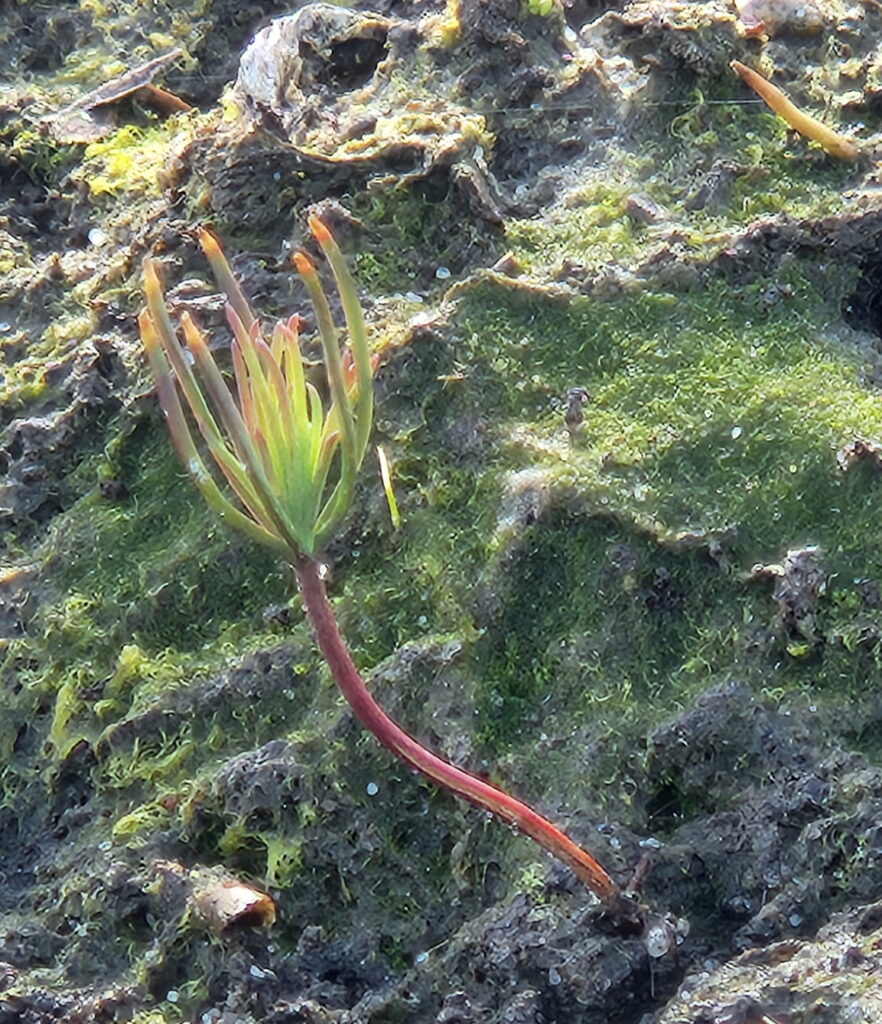
There is more good news. Besides being an expert river captain and guide, Chadwick is a self-taught naturalist who has explored the tributaries and creeks along the river basin. During this temporary drawdown, she discovered cypress seedlings along Deep Creek. This is a very important discovery, and confirmation of nature’s resilience.
Despite the minority of naysayers claiming that it would take 100 years for the forest to recover once the dam is breached, creekside seedlings are emerging from the rich dark soil in the short time that the reservoir has been in drawdown.
If man can just get out of the way and let the river return to its natural historic channel — instead of driving it into a marginalized corner — the waterway will recover. However, it will return to its natural beauty and state on its own schedule, not man’s.
I have previously written about the strong business case for restoring the Ocklawaha River. I have also written that rivers are about connectivity. Restoring the Ocklawaha will reconnect three rivers, the Ocklawaha, Silver and St. Johns, as well as Silver Springs, arguably the best-known artesian spring in the world.

This will help restore the ecological balance that is currently missing and allow migratory fish species to return to their historic range and spawning grounds. The threatened Florida manatee would also be able to return in large numbers, no longer running up against the hard steel surfaces of the dam and seeking warm water refuge in the newly uncovered springs.
Thanks to two forward-looking Florida lawmakers, along with many countless advocates and organizations across the state who have diligently worked to come up with a workable plan for restoration, the state is closer than ever to getting this done. The proposed legislation addresses both conservation and economic development concerns.
This bill must get across the finish line this year and be signed into law by the governor. Let the rivers run.
William McQuilkin is a retired U.S. Navy rear admiral and outdoor enthusiast. He lives in Ponte Vedra Beach. This opinion piece was originally published by the Florida Times-Union, which is a media partner of The Invading Sea. Banner photo: Kirkpatrick Dam at the Rodman Reservoir (Florida State Parks).
Sign up for The Invading Sea newsletter by visiting here. To support The Invading Sea, click here to make a donation. If you are interested in submitting an opinion piece to The Invading Sea, email Editor Nathan Crabbe.
