


By Brad Buck, UF/IFAS
Sea urchins are the “lawnmowers of the reefs,” a University of Florida scientist says. They tirelessly chew down the algae that would otherwise smother coral and block the sunlight reefs rely on. When they’re abundant, these spiky grazers help keep Caribbean reefs vibrant, open and teeming with life.
But in the 1980s, disaster struck. Most sea urchins of the species known as Diadema antillarum died. Without them, algae surged, corals struggled and entire ecosystems began to tip out of balance.
That’s why it’s so critical to help bring urchins back to the reefs around the Caribbean, says Josh Patterson, an associate professor with the University of Florida Institute of Food and Agricultural Sciences (UF/IFAS).
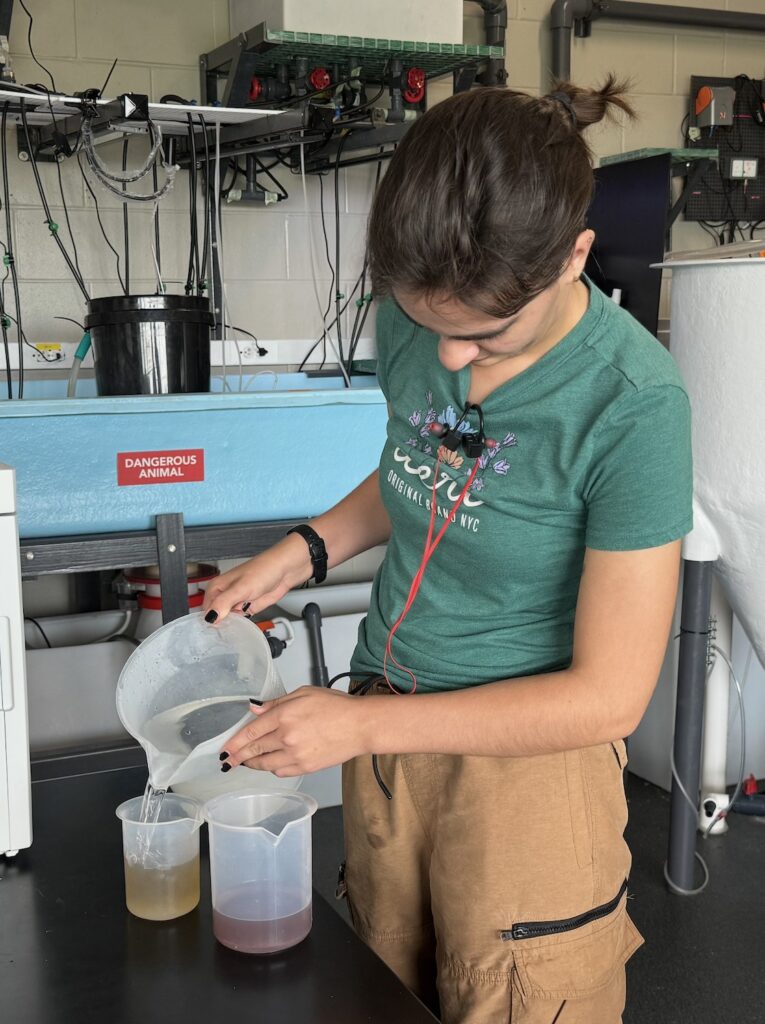
Patterson runs a lab at The Florida Aquarium’s Coral Conservation and Research Center in Apollo Beach. There, he and other researchers raise sea urchins.
Like many marine species, about 99% of the urchins die early in life. So, they can’t be shipped to reefs to do the work as adult urchins.
“Baby urchins scrounge for just about anything they can find to eat, and very little of what they ingest helps them survive,” Patterson said. That’s why so few of them grow to be adults.
Even if scientists can decrease the early fatality rate by just 1%, they’re doubling the number of urchins they can raise to adulthood, he said. That is the goal of newly published research by Casey Hudspeth, a master’s student working under Patterson’s supervision and lead author of the study.
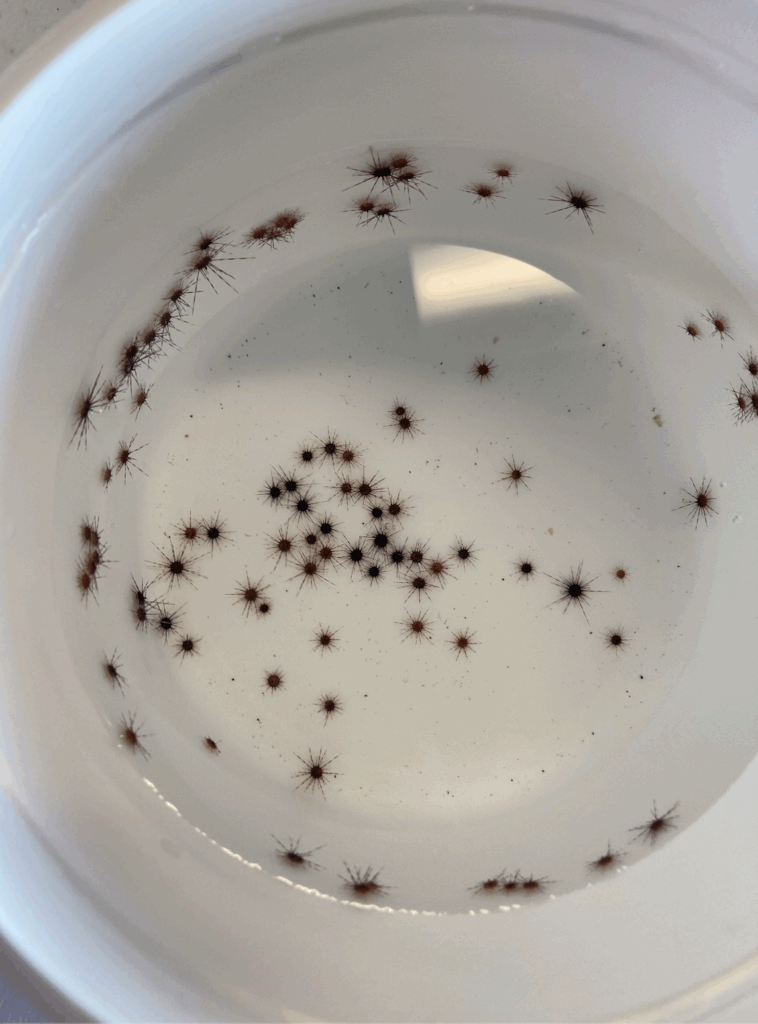
For her study, Hudspeth fed the baby urchins several diets and found that more survived by eating clumped microalgae.
“We’re trying to create a baby formula,” said Patterson, a Florida Sea Grant-affiliated faculty member in the UF/IFAS School of Forest, Fisheries and Geomatics Sciences. “When we grew these urchins in the past, we didn’t have enough knowledge about optimum ways to feed them, and they were left scrounging for food they could find in the tanks.”
That diet formula will allow more baby urchins to survive.
Patterson’s lab raises baby urchins to toddlers, about the size of a silver dollar, including the spines. The toddlers then go to the Florida Fish and Wildlife Conservation Commission, the University of Miami and other partners, who continue growing the urchins and then take them on boats and put them out on reefs in Florida.
Once on the reefs, the critters nibble at algae and keep the reefs healthy.
“These urchins are a vital part of our reef ecosystems, including the Florida reef corals” Hudspeth said. “And helping these babies grow up can provide invaluable support to our fragile coral communities.”
This piece was originally published at https://blogs.ifas.ufl.edu/news/2026/02/18/creating-a-sea-urchin-baby-formula-to-help-save-our-reefs/. Banner photo: Sea urchins off Grand Cayman Island. (James St. John, CC BY 2.0, via Wikimedia Commons).
Sign up for The Invading Sea newsletter by visiting here. To support The Invading Sea, click here to make a donation. If you are interested in submitting an opinion piece to The Invading Sea, email Editor Nathan Crabbe.
