


By Haley Moody, Florida Springs Institute
As the artificial intelligence boom continues at a rapid pace, are Floridians aware of the potential impacts to our state? Now is the time to raise as much public awareness as we can about this impending threat to Florida’s water.
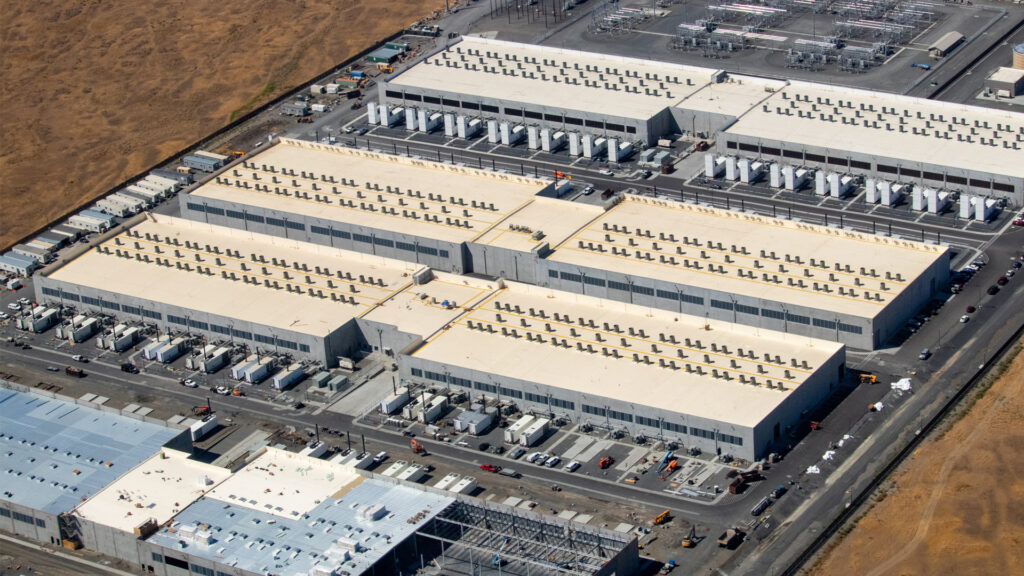
In the past year, we have seen proposals for data centers in Florida with varying degrees of support. Although they bring big promises of economic development and not being “left behind” in the race to the top of AI mountain, large data centers can suck millions of gallons of water per day, raising the question: Can Florida’s unique geology even support this industry?
The Floridan Aquifer beneath our feet is primarily made of limerock. Composed of ancient marine sediments that accumulated on the ocean floor millions of years ago, this calcium carbonate rock is porous – full of holes both large and small. Those cavities are what contain and transmit our groundwater – kind of like a sponge.
The Floridan Aquifer beneath us is filled with freshwater from rain that has percolated down through our sandy soils, creating a freshwater lens that is almost entirely surrounded by saltwater. The U.S. Geological Survey estimates that over 90% of Florida’s population relies on groundwater for our drinking water.
Other than drinking water, the Floridan Aquifer supports our land. In many places, it is the water that holds up the land above it. If aquifer levels drop too far due to over-pumping, the land can drop right along with it.
In 2010 during an extended freeze, Southwest Florida experienced this when farmers irrigated night and day to save their strawberry crops. Over 11 days, the aquifer below Plant City dropped 60 feet and nearly 140 sinkholes opened up. The Southwest Florida Water Management District logged over 750 complaints of dry wells.
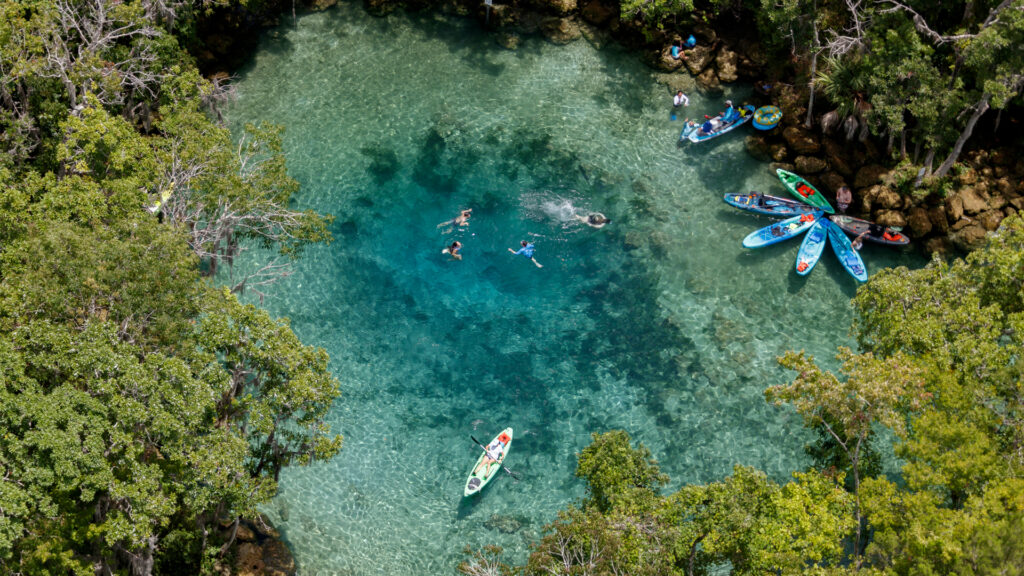
Recent data center proposals within the Florida Springs Region have raised concerns regarding the impact on our springs. A proposal in Polk County, near the defunct Kissengen Spring, has us sure that if built, the once popular spring destination would never come back to life.
A new proposal in Citrus County to add data center utilities within the springshed of one of our Outstanding Florida Springs may mean the that the water management district meeting the Minimum Flows and Levels for the Crystal River/Kings Bay spring group is just an empty promise.
At least our state is attempting to regulate incoming large data centers. A Senate bill before the Legislature now says, “It is the intent of the Legislature that the development and operation of large-scale data centers in this state be managed under a permitting framework that ensures this state’s water resources are used in the public interest, in a manner that is not harmful to the water resources of this state, and consistent with local government zoning regulations and comprehensive plans”
This essentially repeats protective language that has been approved in the past. The will to enforce such statements is what remains to be seen.
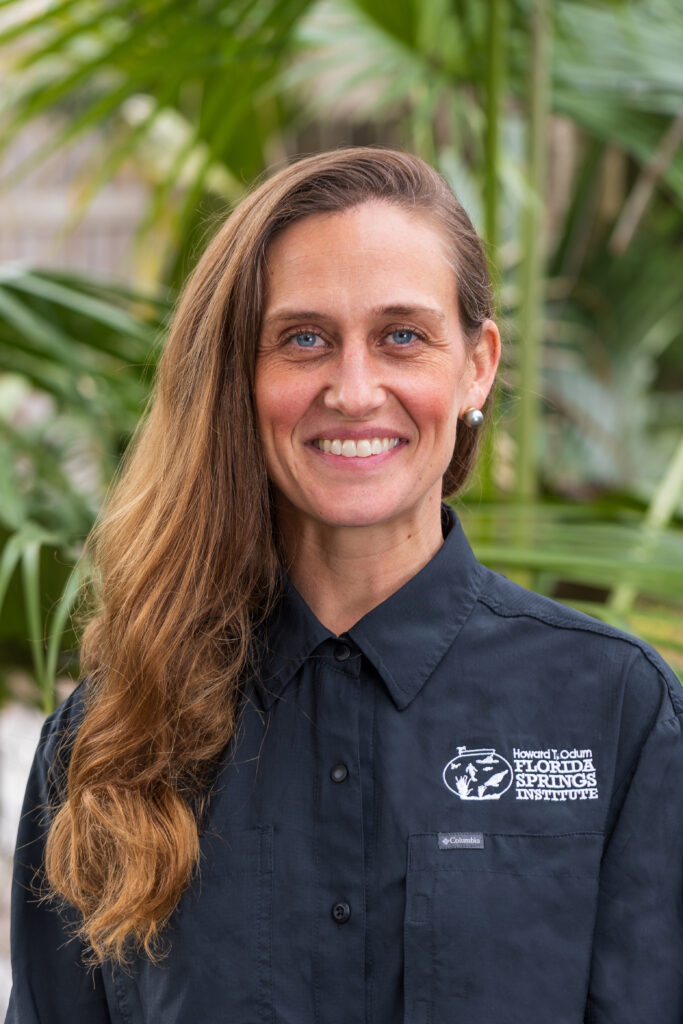
For example, I just attended a local county commission meeting where the commissioners blatantly ignored their own land development code in favor of development. When I raised concerns about the stress of this development on the local water resources and reminded them that they were a “responsible entity” for Outstanding Florida Waters, I was told that they weren’t planning to meet the Basin Management Action Plans set out by the Florida Department of Environmental Protection, and neither was anyone else.
You can watch that video at https://bit.ly/countycommission (skip to 5:03.58 if you aren’t interested in watching all 5.5 hours of the public meeting).
Are local governments aware of the potential impacts of data centers to our state?
After listening to a recent interview with Nobel Prize laureate and “Godfather of Deep Learning” Geoffrey Hinton and finding out that the ship may have already sailed, perhaps the more timely question is: Are the robots aware of the potential impacts of large data centers to our state? Somebody should tell them.
Haley Moody is director of the Howard T. Odum Florida Springs Institute. Banner photo: Cables in a data center (iStock image).
Sign up for The Invading Sea newsletter by visiting here. To support The Invading Sea, click here to make a donation. If you are interested in submitting an opinion piece to The Invading Sea, email Editor Nathan Crabbe.

Thank you for standing up for our water supply and Florida’s future water supply and the earth. I was not aware of this thievery of our life’s blood.