


By the Sun Sentinel Editorial Board
Why all the secrecy?
Two months after Project Tango erupted in controversy, the tech user behind the proposed massive Palm Beach County data center has not been officially identified. The investigative news site Seeking Rents reports that the developers are Palm Beach Aggregates, a rock-mining company, and Phillips Inc., a Tennessee-based infrastructure contractor. But the end user remains unknown.
Legislation in Tallahassee might stall development by requiring studies, buffers and oversight, but even the toughest of the data center bills, HB 1007, allows economic development agencies to keep a company’s identity hidden for 12 months.
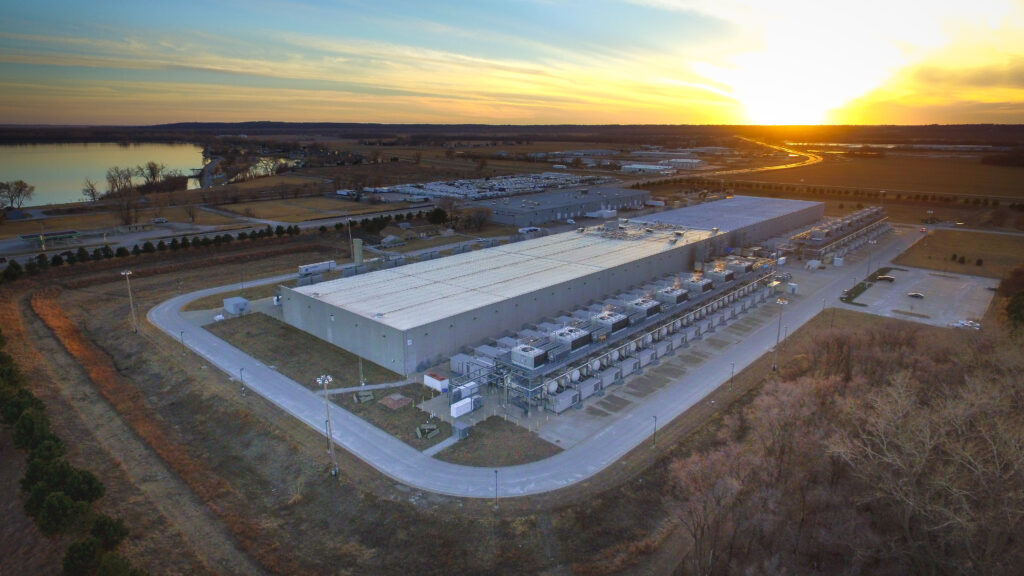
Project Tango is a case study in why that is a bad idea.
This project has flown under the radar and without scrutiny by thousands of nearby residents in western Palm Beach County. It ballooned from a 206,000-square-foot data center, initially approved in 2016, to a 1.8 million-square-foot behemoth. Almost unnoticed, Tango’s expansion popped up on a Dec. 10 commission consent agenda, reserved for non-controversial agenda items.
This is not merely a bigger project. It’s a different project entirely.
The data centers of 2016 and the massive data facilities now fueling the AI boom are a world apart. It’s the difference between building a stall for three horses and building a racetrack, said County Commissioner Maria Sachs. Outraged residents of Wellington, Loxahatchee and the nearby Arden community are right to feel blindsided.
The county followed its procedures. Notices went out. Agendas were made public. So were votes.
The relevant economic development agencies can legally keep the identity of a new business secret. A hyper-scaled data center is not just a business, though. It is an environmental disruptor, with serious implications for quality of life, electric grid buildout, higher utility bills, excessive water use, unrelenting noise and property values.
Massive energy demands
What other standalone business is capable of using as much electricity as 100,000 homes? What other business needs enormous amounts of water every day? What other business emits day and night “humming” from massive cooling systems and electricity transmission that can be heard for miles?
What other industry in Florida is talking about building its own mini-nuclear reactors?
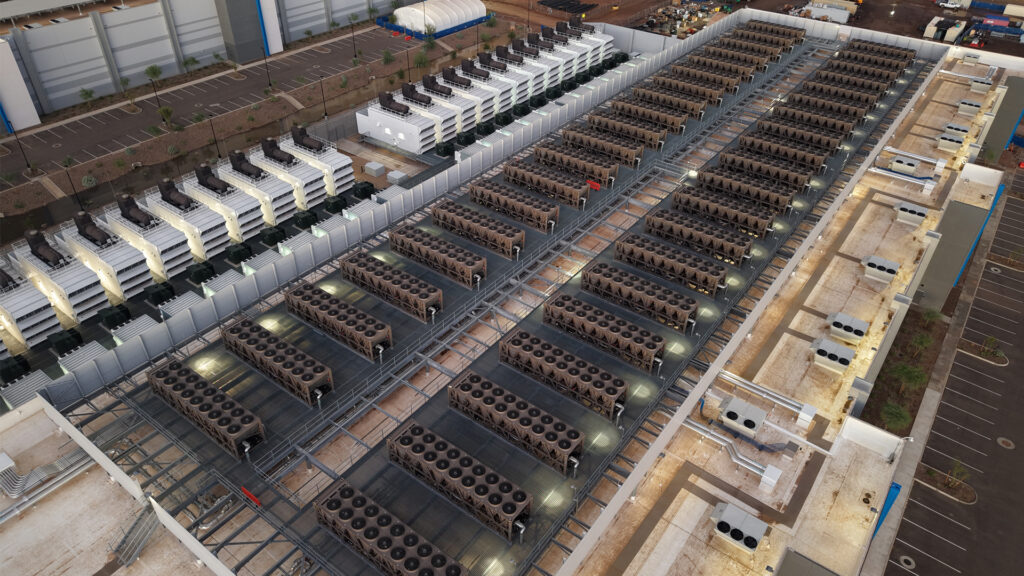
A hyperscale data center should always start with rigorous transparency. But instead, NBC News found, data center and tech companies across the country are working overtime to make sure no one knows what’s being built or who’s building them.
Everything about Project Tango could have been disclosed from the start, from terms of its deal with Florida Power & Light for electricity to identifying the actual end user. Community discussions could have been part of early planning, answering the most basic question: Where is the benefit to the community here?
Commissioners on April 23 will discuss the project, now scaled back to “only” a million square feet. A grass-roots group, Stop Project Tango (stopprojecttango.org), is mobilizing opposition online. This issue is certain to dominate the 2026 Palm Beach County Commission elections.
Don’t expect the Legislature to rein in data centers’ worst excesses. Despite Gov. Ron DeSantis’ call for an AI “Bill of Rights” in Florida, it appears that nothing will pass because House Republicans will defer to the Trump administration on AI regulation.
If Tallahassee does not demand full transparency, then Palm Beach commissioners should. It’s in data centers’ best interests, too. Anyone who watched hundreds of county residents booing and catcalling at a recent town hall trying to explain Project Tango could state the obvious: Too much secrecy never succeeds.
This opinion piece was originally published by the Sun Sentinel, which is a media partner of The Invading Sea. The Sun Sentinel Editorial Board consists of Opinion Editor Steve Bousquet, Deputy Opinion Editor Dan Sweeney, editorial writers Pat Beall and Martin Dyckman, and Executive Editor Gretchen Day-Bryant. Banner photo: Data center server racks (iStock image).
Sign up for The Invading Sea newsletter by visiting here. To support The Invading Sea, click here to make a donation. If you are interested in submitting an opinion piece to The Invading Sea, email Editor Nathan Crabbe.
