


By Chris Hildreth
Know what wakes me up more than a few mornings a month in Avondale, a quaint old neighborhood in Jacksonville? A pair of gas-powered leaf blowers keeping nearby stores safe for democracy.
So, it shouldn’t be surprising that I have a bone or two to pick with supporters of the 2026 Florida farm bill. The bill includes language preventing local authorities from banning gas-powered lawn equipment, leaving the decision to rest with the landscape professional and the customer. I wholeheartedly agree. Wouldn’t it be nice if we did that in all cases, like those decisions that should rest with a doctor and a patient, or a parent and a student?
Claims that gas equipment is cheaper to operate than battery equipment are borderline disingenuous. Consumer Reports posits that the costs, over time, can be lower with battery power, simply because the cost of fuel and maintenance associated with gas-powered equipment surpasses the operational cost of battery power.
All my life I’ve lived near railroad tracks and the corresponding trains that ride on them. They’ve become a soothing sound that has helped me drift off to sleep in Florida, Arkansas, Illinois and Massachusetts. In the late 1970s, I had an apartment two blocks from the Fuller Warren toll plaza and was easily able to treat the braking of semi-trucks stopping to pay tolls as waves crashing on the shore.
The sound those gas blowers make at the shops in Avondale at 7 a.m. make the sound of nails on a chalkboard sound positively sublime. The two-stroke engine pumps about 90-110 decibels, 30 decibels above safe levels. I’m at least 50 yards from them when I’m jolted out of bed.
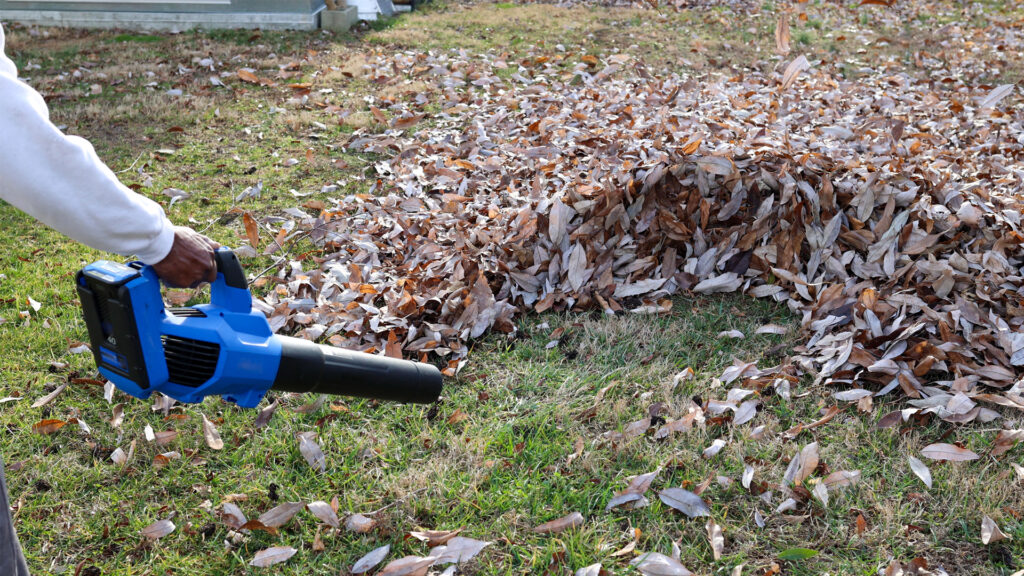
The leaf blower is probably the noisiest piece of equipment used. When operators use the backpack leaf blower, that engine is around 12 inches from the operators’ ears. Sound is a hazard not associated with battery-powered equipment.
I’ve owned Ego lawn equipment since 2010 and never had to tune them up. You can’t say that about gas-powered equipment. I did have to get three new batteries last year, but I hardly need them since I ripped out my St. Augustine grass and had a native landscape installed. Native flora doesn’t need that much water, and the St. Augustine grass needed close to 6,000 gallons monthly.
The big box DIY stores all accept spent batteries and every county in Florida has a program for recycling lithium-ion batteries. Infrastructure to facilitate recharging batteries exist outside the grid. There are myriad methods using solar panels at the business and also on the vehicles themselves that transport the equipment and personnel to and from the job site.

The global landscape industry contributes almost 4% of greenhouse gases into the atmosphere. Part of that contribution is the two-stroke engine, which powers almost all the handheld equipment. It is basically the dirtiest engine there is. Additionally, in a typical year, 17 million gallons of gas are spilled due to the inefficient manner the fuel is conveyed.
I agree that the decision to use gas-powered or electric equipment shouldn’t be dictated by local mandates. The market should decide, right? Last year, over $6 billion was spent just on electric personal and commercial lawn mowers. By 2035, that number is expected to come close to doubling.
As 18th-century economist Adam Smith might put it: That’s an invisible hand at work.
Chris Hildreth is an environmental advocate and former teacher who lives in Jacksonville. He writes a Substack newsletter called Notes from the Third Rock (childreth.substack.com). This opinion piece was originally published by the Florida Times-Union, which is a media partner of The Invading Sea. Banner photo: A gas-powered A leaf blower in action (iStock image).
Sign up for The Invading Sea newsletter by visiting here. To support The Invading Sea, click here to make a donation. If you are interested in submitting an opinion piece to The Invading Sea, email Editor Nathan Crabbe.
