


By Vivian Young, 1000 Friends of Florida
Over the past several legislative sessions, the Florida Legislature has made meaningful progress on resilience and disaster mitigation.
The My Safe Florida Home program, which provides grants to strengthen homes against hurricanes, was reestablished in 2022 and received an additional $280 million in 2025. Lawmakers also revived the Resilient Florida Trust Fund within the Department of Environmental Protection, giving counties and municipalities tools to mitigate vulnerabilities and adapt to worsening storm risks.
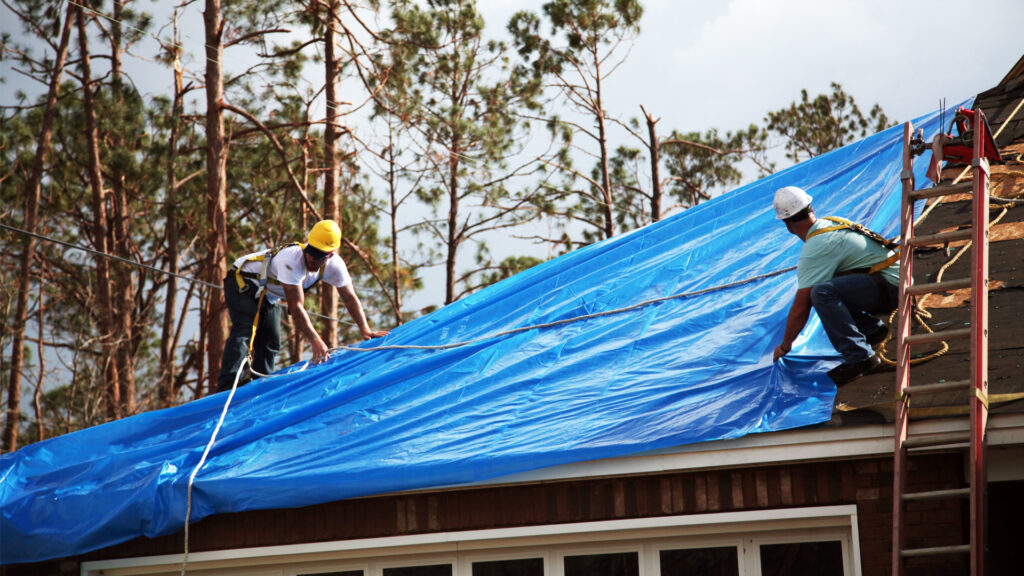
These are real achievements and organizations such as 1000 Friends of Florida have supported them while continuing to advocate for expanded funding. Yet alongside this progress, the Legislature has taken steps backward that risk undermining the very resilience it has sought to build.
The most concerning example is the passage of Senate Bill 180 in 2025. Promoted as a hurricane recovery measure designed to speed up post-disaster cleanup, the law limits local governments’ ability to update land-use plans and regulations during the period following a disaster if those changes could be considered “restrictive or burdensome.” It also grants broad legal standing and attorney-fee awards to challengers of local planning decisions, significantly increasing litigation risk.
This approach is backward. The period immediately following a disaster is precisely when communities should be able to reassess their future. After a hurricane decimates a community, local leaders should be able to ask difficult but necessary questions: Should we rebuild here at all? Should we rebuild differently? Should development shift toward lower-risk areas?
SB 180 effectively discourages those conversations. By limiting local flexibility at the moment when rebuilding decisions are being made, the law risks locking communities into the same development patterns that made them vulnerable in the first place. Lawmakers had a chance to repeal the law in this year’s session but unfortunately the House failed to take up the bill during committee.
The law also reflects a deeper structural problem Florida has long avoided confronting: Development decisions are rarely evaluated for their impact on the state’s insurance system. When a county approves a new coastal development, little attention is paid to how that project increases overall storm exposure and increases the insurance bills of homeowners.
Repealing the most harmful elements of SB 180 would be a necessary first step, but it will not solve the underlying problem. Florida needs a broader strategy that addresses the drivers of risk. Land-use decisions should incorporate both environmental and insurance sustainability, ensuring that major coastal developments are built in a way that mitigates damage and evaluates their contribution to statewide insurance exposure. Florida should also build upon its strong building codes by encouraging enhanced construction standards in development.
The state must continue to address the growing size and exposure of Citizens Property Insurance. Originally intended as an insurer of last resort, Citizens now carries enormous risk that could ultimately fall on policyholders statewide if a major storm strikes. Thankfully, Citizens policies have been decreasing as policyholders are shifted onto new entrants and returning insurers into Florida’s market.
Finally, Florida should pursue a policy of smart growth across the state versus the urban sprawl we’ve unfortunately become accustomed to. Well-planned communities that include a blend of housing, shops, and offices built to withstand disaster can help decrease costs when disaster strikes, while also helping to revive older communities and protecting open space and farmland in rural areas.
Florida has demonstrated that it can lead on resilience with recent policy changes. But stabilizing the state’s insurance system and reducing disaster losses will require confronting the deeper relationship between development patterns and risk.
Making it more difficult to plan for disasters is not the way forward. Lawmakers need to come back in 2027 and repeal SB 180, while continuing to fund and pursue policy changes that make Florida’s homes and insurance market more resilient.
Vivian Young is the special projects director emeritus at 1000 Friends of Florida. Banner photo: Florida homes damaged by Hurricane Ian (iStock image).
Sign up for The Invading Sea newsletter by visiting here. To support The Invading Sea, click here to make a donation. If you are interested in submitting an opinion piece to The Invading Sea, email Editor Nathan Crabbe.
