


By Michael Berkowitz, Climate Resilience Institute, and Meenakshi Chabba, Everglades Foundation
In February, Miami-Dade residents were startled by announcements of water use restrictions, the result of plummeting levels in the Biscayne Aquifer. For a region that receives nearly 60 inches of rain annually, scarcity felt like someone else’s problem. The ongoing drought has shattered that sense of abundance and revealed the vulnerability of South Florida’s water supply.
As residents of a storm- and flood-prone coastal region, most Miamians think of resilience mainly as flood adaptation, leaving water security as an under acknowledged pillar. Long before resilience guided climate change strategies, leading scientists and planners understood that the single most consequential action to secure South Florida’s future was to restore the Everglades.
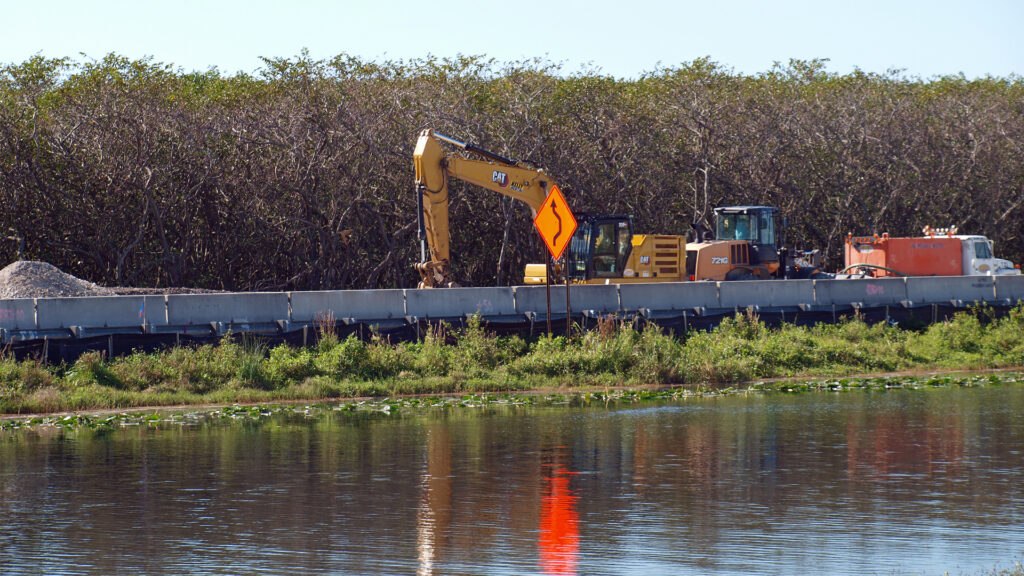
This foresight led to the Comprehensive Everglades Restoration Plan in 2000, making Everglades restoration the pioneer resilience plan for Florida. For more than 25 years, restoration has quietly ensured that residents receive high-quality drinking water, and it is increasingly proving to be something far larger: a resilience multiplier, yielding surprising dividends to a climate-vulnerable Miami.
The Everglades wetlands span the length of Florida’s southern peninsula and more than half of Miami-Dade. They capture, store and filter the region’s plentiful rainfall before slowly recharging the Biscayne Aquifer, the primary source of drinking water for southeast Florida. However, drainage for agriculture, urban development and flood control diminished the Everglades’ historic extent, its freshwater flows, and ability to store and clean water.
Rising seas have compounded these legacy impacts, accelerating saltwater intrusion into the highly permeable aquifer. February’s water use restrictions were not an anomaly. They were symptoms of a vulnerability set in motion long before the drought developed.
Everglades restoration is a 21st century engineering project that works with nature to rebuild what drainage undid. By restoring the Everglades’ capacity to store and clean freshwater and recovering its natural southward flow, restoration strengthens the recharge of the Biscayne aquifer and rehydrates a water-starved ecosystem. Today, unprecedented momentum at both the state and federal level is accelerating funding and construction, turning decades of planning into visible progress across the watershed.
For a city on the frontlines of climate change, the dividends are far-reaching and still unfolding. With increased freshwater flows, restoration will strengthen the freshwater barrier against advancing saltwater in the Biscayne Aquifer, helping Miami secure a sustainable water supply while buying time to adapt to rising seas. Improved storage will curb the routine freshwater discharges into coastal communities and turn waste into reserves.
As freshwater reaches Miami’s coasts, it nourishes mangroves and coastal marshes, fortifying these natural buffers that shield communities from coastal flooding and storm surge. Seepage barriers reduce groundwater-driven flooding in vulnerable communities, while restored wetlands expand recreation and cooling relief in an increasingly urbanized region.
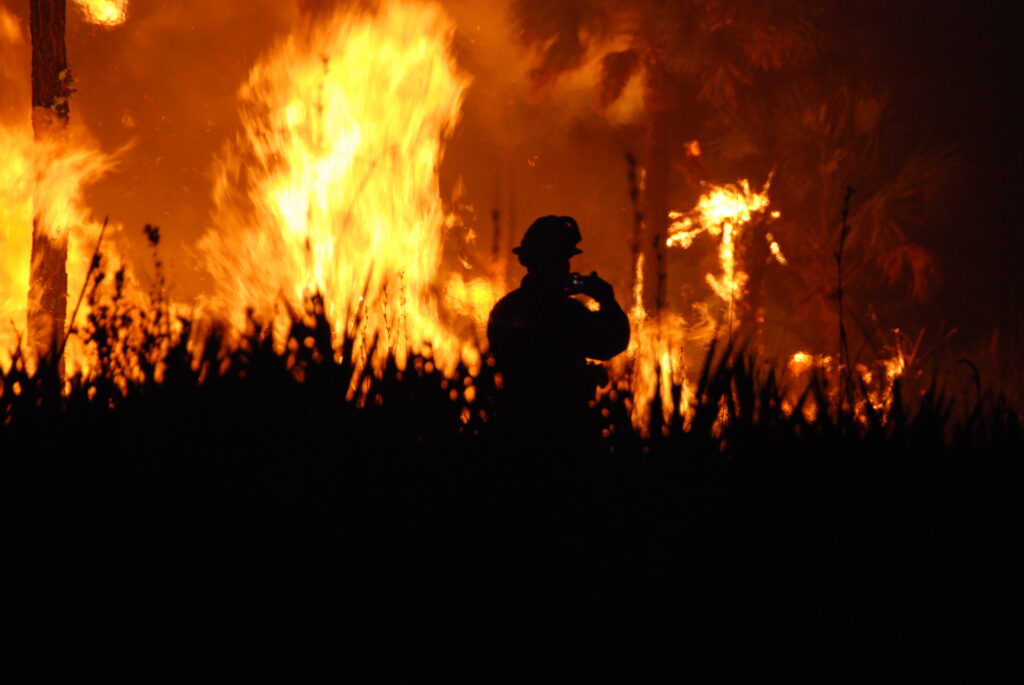
A wetter, healthier Everglades is also a firebreak: Last year, the Mile Marker 39 wildfire sent smoke billowing across Broward and Palm Beach counties. Most recently, the Highway 41 fire burned through 8,500 acres of the River of Grass in Miami-Dade — the latest in a season of fires that should alarm anyone who cares about South Florida’s future.
We are only beginning to understand how deeply the Everglades is woven into our economy. A 2025 study by Earth Economics and The Everglades Foundation estimated the Everglades’ natural capital at nearly $1 trillion dollars, generating $31.5 billion each year in benefits for South Florida residents, from real estate and recreation to flood protection and clean water. Protecting the Everglades is not an environmental concession but an economic imperative.
Across civilizations and centuries, communities that endure are ones that protect their water. For more than 25 years, Everglades restoration has done exactly that by securing safe drinking water to Miami residents while building the foundation for a resilient region. Yet restoration remains an under acknowledged pillar of South Florida’s climate resilience strategy.
The ongoing drought, the water use restrictions and recent fires make one thing resoundingly clear: We cannot build a truly resilient Miami without bringing its most consequential resilience plan to the finish line.
Michael Berkowitz is the executive director at the Climate Resilience Institute at the University of Miami. Meenakshi Chabba is an ecosystem resilience scientist and The Everglades Foundation. This opinion piece was originally published by the Miami Herald, which is a media partner of The Invading Sea. Banner photo: Cracked mud in a pond in Everglades National Park during drought conditions (iStock image).
Sign up for The Invading Sea newsletter by visiting here. To support The Invading Sea, click here to make a donation. If you are interested in submitting an opinion piece to The Invading Sea, email Editor Nathan Crabbe.
