
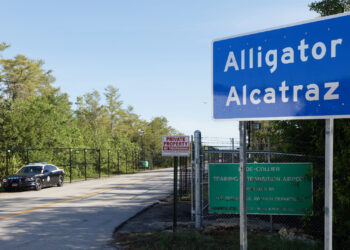
What comes after Alligator Alcatraz?
Florida Attorney General James Uthmeier said he hopes for a protected environmental area


Florida Attorney General James Uthmeier said he hopes for a protected environmental area
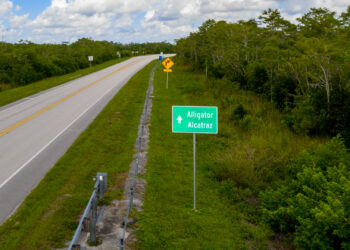
Advocacy groups suing the state aren’t buying the explanation for transferring detainees to other facilities.
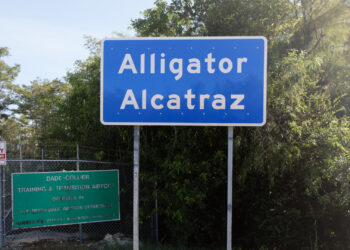
Federal law requires environmental studies that never happened with Alligator Alcatraz.
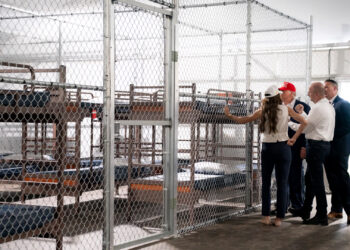
Conservation groups say they will continue their litigation over environmental concerns at the site.
'Alligator Alcatraz' shows that protecting our environment cannot be separated from protecting human dignity.
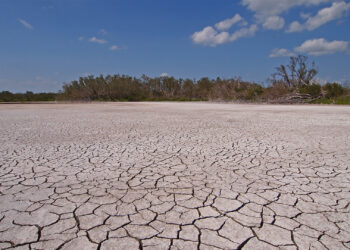
Restoration ensures residents receive quality drinking water and yields other dividends to climate-vulnerable Miami.
An appeals court ruled the migrant detention site may continue operating while litigation proceeds.
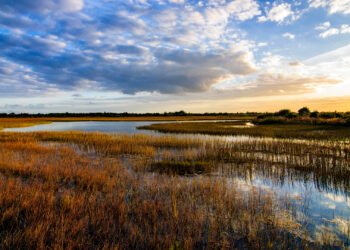
Replacing thirsty turf grass with native vegetation helps protects the Everglades and our water supply.
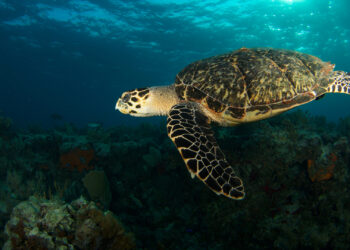
The US House of Representatives unexpectedly canceled a vote on a bill that would defang the Endangered Species Act.
The ruling found federal law doesn't apply because Florida runs the facility and hasn't received federal funding.