


By Attilio Abarca-Bodden, Citizens’ Climate Lobby
Energy security and its implications are a growing concern nationally, especially for Floridians. In the modern age, countries maintain their electrical grids amid increased heat from rising global temperatures, technological innovations like artificial intelligence placing heavy strain on the grid and general energy demand from constituents. Few areas in the United States face this challenge as heavily as Florida.
Florida is the second-largest electricity producing state in the country after Texas. In 2024, Florida had about 255 million megawatt-hours in retail electricity sales, ranking second nationally. Florida is also particularly dependent on natural gas. The U.S. Energy Information Administration says that natural gas fueled about 72% of Florida’s electricity net generation in 2025.
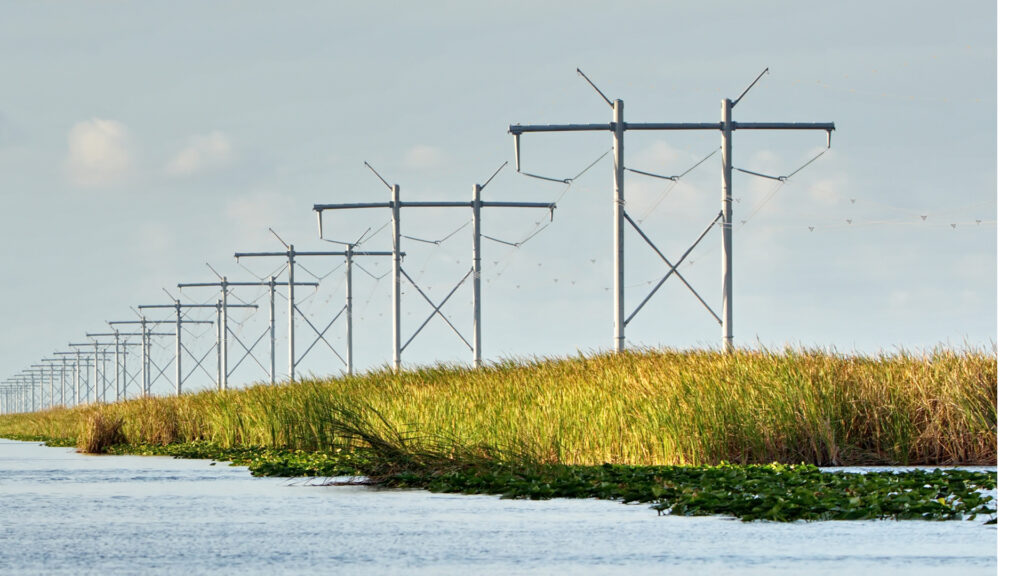
With hotter summers that increase air conditioning demand, stronger hurricanes that threaten power grids, sea level rise affecting coastal communities and a growing investment in data centers, Florida has a very high level of risk for power grid strain and possible failure in the coming years.
Energy security now includes infrastructure and climate resilience. Today, a secure energy system is not just one that can produce enough electricity. It must now be one that can function during heat waves, flooding and periods of extreme demand. This distinction is particularly important for Floridians, because climate pressures threaten the infrastructure that powers our daily lives.
When temperatures rise, electricity demand rises with them, especially as homes depend on air conditioning. When stronger storms hit, our substations, power plants and fuel supply networks can be damaged and disrupted. Hospitals, fire stations, nursing homes – all critical infrastructure – become more vulnerable and expensive to protect. The systems that Floridians depend on due to these cascading effects are now effectively becoming less reliable, more expensive and more vulnerable.
Hardening critical energy infrastructure against climate conditions is the first step, including substations, transmission lines, power plants, hospitals, emergency response centers, water systems and nursing homes. All of these should be evaluated based on their exposure to hurricanes, flooding, extreme heat and sea-level rise. This is not a matter of environmental planning, but rather, public safety.
Florida must also begin to seriously create energy diversification and efficiency as a security priority. Our heavy reliance on natural gas creates a vulnerability because one dominant fuel source leaves residents exposed to price swings and supply disruptions. Expanding solar power, nuclear power, battery storage, microgrids and other distributed energy systems would make our grid more flexible and resilient.

Solar energy in particular is in abundance in our Sunshine State. Paired with battery storage, it will help communities maintain electricity during high periods of demand or after extreme weather events. In addition, Florida must invest more aggressively in energy efficiency. The cheapest and most secure unit of electricity is the one that does not need to be produced in the first place.
Florida must also require greater transparency from large energy users – especially data centers and artificial intelligence infrastructure. These facilities do support economic growth and take priority as a national security investment, but they require large and constant amounts of electricity.
Before approving these projects, local leaders must absolutely question how much power they will use, where it will come from, whether new costs will be passed onto ratepayers and how this will affect our water. Economic development should not make Florida’s grid more fragile, especially amid increasing temperatures.
A modern security energy strategy for Florida must include grid hardening, fuel diversification, clean power, battery storage, efficiency, microgrids and transparent planning – especially for data centers. The goal cannot simply be “more power.” The goal must be to build an energy grid that is reliable, affordable and resilient, especially with the environmentally vulnerable conditions Florida is facing.
Attilio Abarca-Bodden is the Broward County chapter leader for Citizens’ Climate Lobby. He is a recent graduate from Florida International University with a master’s degree in global affairs and cybersecurity and technology policy, where his research covered the energy use of AI data centers and how it will affect energy and water demands and policy within the next 10 years. He is a former congressional intern, grassroots congressional lobbyist for energy and environment policy, and a policy and finance coordinator for YOUNGO, the youth constituency of the UNFCCC. Banner photo: Damage in Fort Myers from Hurricane Ian in 2022 (iStock image).
Sign up for The Invading Sea newsletter by visiting here. To support The Invading Sea, click here to make a donation. If you are interested in submitting an opinion piece to The Invading Sea, email Editor Nathan Crabbe.
