


By Mark McNees
In 1863, freedmen built homes from scrap railroad boxcars on the southern edge of Memphis and named the community Boxtown. In 1960, the city proposed annexing the neighborhood as part of an urban renewal program. The Memphis Housing Authority’s stated logic was direct: bring a new power plant and nearby refineries into the city’s tax base, and use the African-American community as an industrial labor force.
Annexation was completed in 1971, but the promised water, sewer and electricity took decades longer to arrive. After a class action lawsuit and federal pressure in the early 1980s, the city secured $12 million in federal redevelopment funds. Boxtown received $1.7 million.
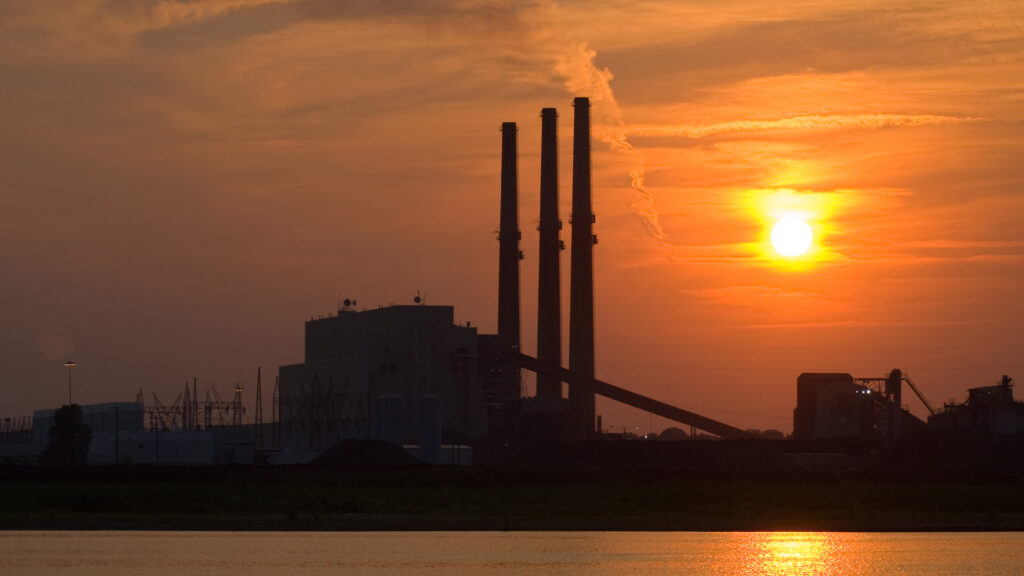
Sixty-five years later, Boxtown sits inside one of the country’s most polluted ZIP codes. Seventeen facilities tracked through the Toxics Release Inventory surround it. Cancer risk from industrial sources is 4.1 times the U.S. Environmental Protection Agency’s acceptable threshold, according to ProPublica.
Life expectancy is roughly 10 years lower than other parts of Memphis. Ninety-five percent of residents are Black. KeShaun Pearson, director of Memphis Community Against Pollution, has rightly described southwest Memphis as a sacrifice zone.
In 2024, Elon Musk’s xAI built the Colossus data center there. Thirty-five unpermitted methane gas turbines went up on site, found by Southern Environmental Law Center drone flyovers. The facility reportedly produces more nitrogen oxides than the Valero refinery, the TVA Allen power plant, the Draslovka chemical plant and the Memphis International Airport combined. The community learned about the project through media reports.
That is industrial redlining.
The 1930s redlining maps drew lines around minority neighborhoods to deny them mortgage capital. Urban renewal drew lines through them to site highways, refineries and power plants.
Hyperscale data center siting is the next layer in the same pattern: Same maps. Same neighborhoods. Different industry. The communities without the political capital to push back are the ones that get the gas turbines and the load-serving infrastructure no one else wants near their schools.
Florida is not a spectator. Belle Glade and Pahokee in western Palm Beach County, both predominantly Black and among the poorest cities in the state, have spent generations under the seasonal ash from sugar cane field burning that residents call black snow. The pattern is not new. The mechanism is.
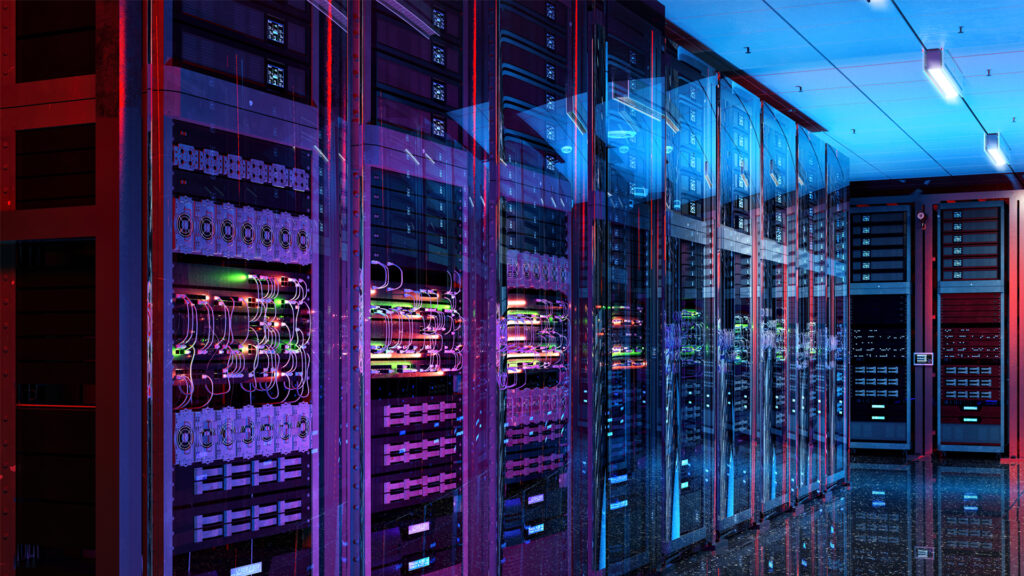
Hyperscale and large-scale data center proposals are now active in at least eight Florida counties. Project Tango in Palm Beach County is moving toward a July 15 vote on a 3.7 million square foot campus near a new elementary school. Sentinel Grove in St. Lucie County, a $13.5 billion proposal, was withdrawn in February under community pressure. Fort Meade in Polk County approved a $2.6 billion data center project on former phosphate land in April. Many residents learned about these projects four days before the zoning hearings.
Senate Bill 484, which Gov. Ron DeSantis signed into law last week, gets the cost-allocation part of regulating data centers right. It directs the Public Service Commission to develop tariffs ensuring large load customers bear their full cost of service. SB 484 prevents hyperscalers from receiving negotiated rate classes while residential ratepayers absorb the rest of the system cost.
But a prohibition was dropped from the bill that would have prevented governments from signing non-disclosure agreements that hide data center plans from the public. The final version permits NDAs that keep siting decisions confidential for up to a year. Sen. Bryan Avila, the bill’s sponsor, was right to publicly criticize the change.
An NDA carve-out written into state law is industrial redlining at the policy level. It is the legal mechanism that lets a developer place a hyperscale facility in a community before that community has any chance to weigh in. Residents are left to absorb the air pollution, the water draw and the public health cost in the zones where data centers concentrate.
A community has a right to know what is being built within five miles of its elementary school before the zoning vote, not after. Require a cumulative impact analysis. Before any large industrial facility receives a permit in a census tract that already exceeds federal thresholds for toxic releases, ozone or particulate matter, the state should require a documented analysis of what the new facility adds to the existing burden.
Require pre-siting community consultation with statutory teeth. Voluntary engagement is what produced the Boxtown pattern.
None of this is anti-growth. Florida should welcome data center investment. The state’s tech ecosystem is real and digital infrastructure matters. But welcoming the industry does not require the state to repeat a 90-year-old siting pattern that has already produced documented harm in communities that did nothing to deserve it.
The cost-allocation fight is the easy half. Florida is on the right side of it. The siting fight is the harder half because it requires the state to look at a map and ask which communities will bear the new burden.
Industrial redlining is the right name for what happens when no one asks. The line was drawn a long time ago, and we keep building on top of it.
Dr. Mark McNees is director of Social and Sustainable Enterprises at Florida State University’s Jim Moran College of Entrepreneurship and managing consultant at The McNees Group. Banner photo: An aerial view of three Amazon data centers and a fourth under construction in Oregon (Tedder, CC BY 4.0, via Wikimedia Commons).
Sign up for The Invading Sea newsletter by visiting here. To support The Invading Sea, click hereto make a donation. If you are interested in submitting an opinion piece to The Invading Sea, email Editor Nathan Crabbe.
