


By Katherine Sayler, Defenders of Wildlife
This Endangered Species Day, I want to remind Floridians of what makes our Sunshine State so precious. Some would say it’s our weather, or maybe our beaches and vibrant culture. But in my opinion, it’s our incredible wildlife — some of them found nowhere else on Earth.
Public support and political failure
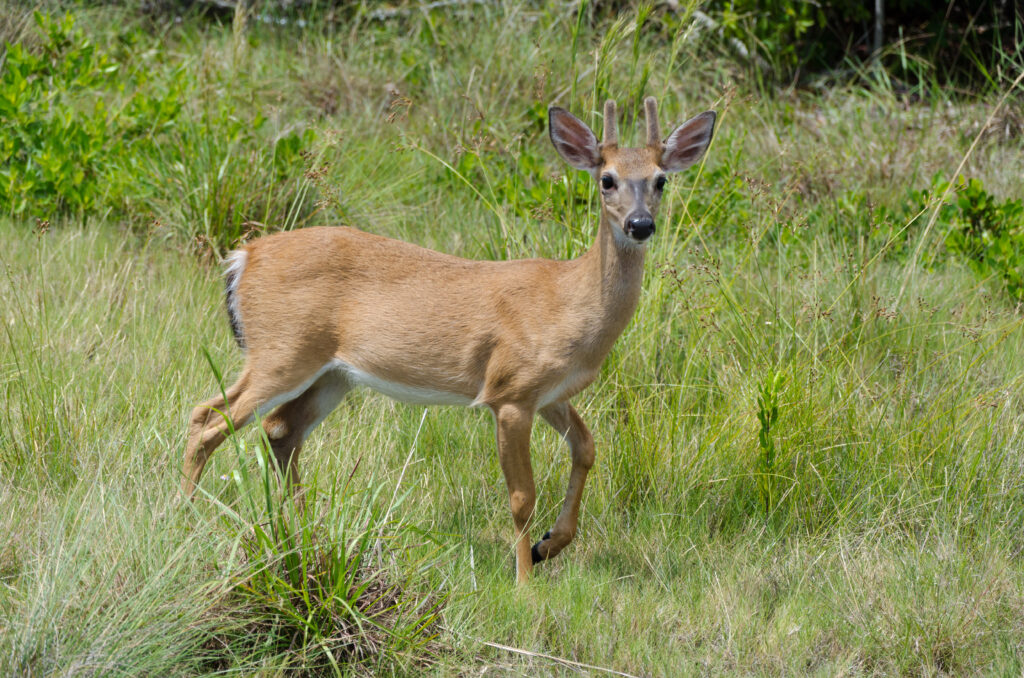
Florida is home to over 135 threatened and endangered species, including the Florida panther, Florida scrub jay, Key deer, Florida bonneted bat, sea turtles, two dozen types of freshwater mussels and the beloved Florida manatee. These iconic wildlife are protected by the Endangered Species Act, a bedrock conservation law that 84% of Americans support and that has been around since the Nixon administration.
In this state, from our upland pine forests to our glorious coasts, we appreciate and enjoy our wildlife. Yet Congress repeatedly considers harmful legislation that could derail recovery efforts — letting protections fall to the wayside while some politicians treat the Endangered Species Act (or ESA), and therefore our beloved wildlife, as target practice.
For instance, this Congress has made a total of 61 attacks on the ESA so far. These assaults are separate from the many attempts by the Trump administration to dismantle the law.
Economic benefits
But let me explain why these threatened and endangered species matter so much — not only for the Sunshine State, but for the entire country.
These species are critical to boosting our economy, including outdoor recreation like wildlife watching and tourism. In Florida alone, outdoor recreation generates $58 billion annually. When we preserve natural landscapes and coastlines by protecting the wildlife who live there, we strengthen flood protection, protect clean air and drinking water, support crop pollination and sustain medical uses. Without endangered species, human health and well-being would suffer.
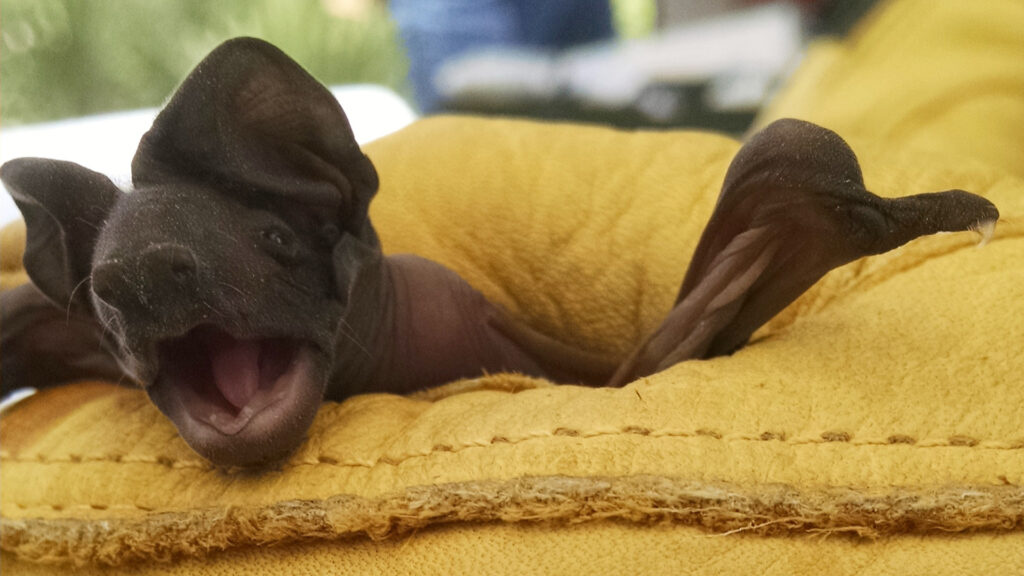
One animal that’s often overlooked or demonized but does wonders for our ecosystems is bats. You read that right, bats! In fact, bats alone contribute at least $3.7 billion a year to agricultural pest services nationwide by consuming beetles, stinkbugs, moths and mosquitoes, and other pests that harm corn, soybeans and cotton.
Bats and insects combined pollinate one third of America’s food supply and without them growing our food becomes much more difficult and costly. Sea turtles, including the five species that call Florida home, also play an important role in our coastal waters. They maintain healthy ecosystems by grazing seagrass and controlling sponge and coral reef overgrowth, sustaining a resilient coastline and healthy habitat for themselves and other mammals.
The Florida manatee also keeps entire ecosystems intact through seagrass grazing and plant material recycling. They also act as warning lights from when something is wrong an in waterway — just like your car “check engine” light comes on when there is a problem, manatees often alert us that a system is out of balance and hazards to humans or other species are present. This is just a snapshot of what wildlife does for society.
ESA Amendments Act of 2025
Rep. Bruce Westerman’s (R-AR) H.R. 1897, the ESA Amendments Act of 2025, is one of the most egregious attempts to dismantle the ESA, threatening to eviscerate the law and upend decades of progress toward recovering species. The bill was brought to the floor of the House of Representatives for a vote but due to constituent and member opposition it was pulled down before a vote could occur. While I hope it is permanently on the shelf, the bill could return.
The ESA isn’t just a law on the books — it has saved iconic species like the American alligator, which was once on the brink of extinction but has now fully recovered. American alligators are a defining symbol of Florida.

Doing your part
If the ESA Amendments Act of 2025 returns to the House of Representatives for a vote, or if other bills are proposed that threaten our wildlife and wild places, it is our duty to educate our neighbors and to raise awareness in the community, especially amongst Floridians who may not be tracking what’s at stake for our wildlife in Congress.
This Endangered Species Day, let’s remember what makes Florida so special: the wildlife we share our coastlines, wetlands and forests with who are a vital part of our everyday lives. This Endangered Species Day, let’s remember that our beloved wildlife is wildly worth protecting.
Katherine Sayler is the southeast representative at Defenders of Wildlife, based in Gainesville. Banner photo: A manatee munches on seagrass in Crystal River. (Photo by David Schrichte/Ocean Image Bank, CC BY-NC).
Sign up for The Invading Sea newsletter by visiting here. If you are interested in submitting an opinion piece to The Invading Sea, email Editor Nathan Crabbe.
