


By Florida state Rep. Anna V. Eskamani
In a state bordered on three sides by water, Floridians understand what our coastlines mean.
The ocean isn’t scenery to us — it’s identity, it’s economy, it’s livelihood. Protecting our waterways, wetlands, marine life and habitats isn’t an environmental issue. It’s a Florida issue. It’s a tourism issue, a food security issue, an affordability issue and a survival issue.
That’s why I’m proud of the bipartisan work we’ve done in Tallahassee to fund water quality and conservation, and why I’ll keep fighting to do more.
In 2023, we crossed the aisle to secure $1.3 million in state funding for the St. Johns River Water Management District to develop a master plan to improve flood control and water quality for five interconnected lakes right here at home: Lakes Formosa, Rowena, Winyah, Estelle and Sue. In the special legislative session on the state budget, my focus was on locking in funding for more local water projects — and for Resilient Florida.
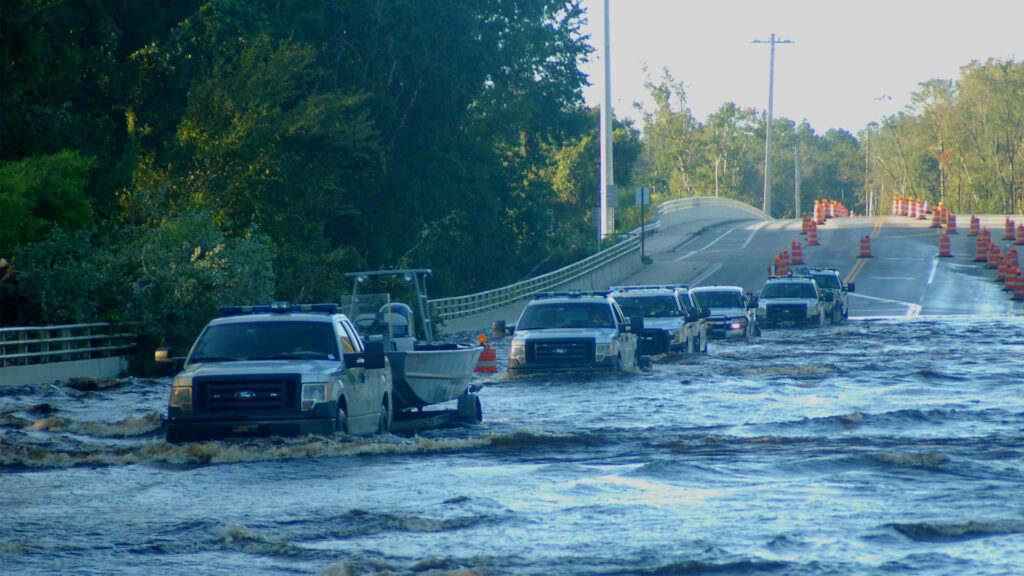
Resilient Florida has been hailed as “one of the country’s most robust climate adaptation programs,” and it’s a model the rest of the country should be copying. Florida has already committed over a billion dollars to hundreds of projects making our beaches, cities, shorelines, and inland communities more resilient. We did it by looking honestly at our history of devastating hurricanes, our deepening flooding crisis, and the math on sea-level rise — and then finding ways to plan ahead, no matter the political environment around us.
Here’s the truth: Even in landlocked Orlando, we are not immune. Flooding is hitting our neighborhoods, properties, insurance bills and small businesses. And in a state already in the grip of an affordability crisis, resilience investment isn’t optional, it’s one of the most direct ways we can lower risk, stabilize home values and protect families from being priced out by the next storm.
Meanwhile, at the federal level, communities are still cleaning up the damage from last year’s reckless cuts. A court recently ordered the reinstatement of billions of dollars in disaster preparedness funding after ruling that the sweeping rollback of a federal resiliency program was illegal. That ruling was a win. But communities should never have had to fight in court just to get back the tools they need to protect human life.
Extreme weather is here. Flash flooding, storm surge, wildfires and intensifying hurricanes are not partisan inventions — they are documented, measurable and accelerating.
Slashed federal funding for coastal resilience means local governments have to step up — strategically, creatively and urgently. That means repairing seawalls and bolstering shorelines, restoring wetlands, improving stormwater management and drainage, ensuring clean lakes, hardening infrastructure, and keeping homes and roadways out of the water. Every dollar we invest on the front end is a dollar we don’t pay later in property insurance hikes, emergency response or human tragedy.
Bipartisan consensus has made this progress possible. I’ll keep showing up for that work. But let’s be honest about where we need this conversation to go next.
I need my colleagues to join me in declaring a climate emergency. We need to stop the expansion of offshore drilling once and for all. And I want Florida to lead — not lag — on a just and equitable transition to renewable energy. Real energy independence doesn’t come from drilling deeper; it comes from breaking our dependence on fossil fuels and the global market volatility that comes with it.
While we’re at it, we must protect outdoor workers and those who are housing insecure from extreme heat, and start centering non-industry voices — scientists, frontline communities, workers — in the rooms where Florida’s energy and climate decisions get made.
Because here’s what’s at stake: our agricultural jobs, our public parks and green spaces, coastal tourism, recreation economy and the Florida way of life itself. Call it whatever you want — climate change, extreme weather, “unprecedented” storms. The water doesn’t care what we call it. It keeps rising.
The dollars we invest in preparedness today are how we protect lives, livelihoods and the coastline we love. That’s the work. And Florida can’t slow down.
Anna V. Eskamani is a member of the Florida House of Representatives representing House District 42. She is a declared candidate for mayor of Orlando in the 2027 election. This opinion piece was originally published by the Orlando Sentinel, which is a media partner of The Invading Sea. Banner photo: A sign on a Sarasota street closed due to flooding from Hurricane Debby (iStock image).
Sign up for The Invading Sea newsletter by visiting here. If you are interested in submitting an opinion piece to The Invading Sea, email Editor Nathan Crabbe. To learn more about flooding, watch the short video below.
