


By John Huff, Association of Bermuda Insurers and Reinsurers
As Floridians prepare for another hurricane season, resilience can no longer be viewed as a once-a-year checklist. It must become a year-round commitment shared by homeowners, insurers, builders, policymakers and communities alike.
Florida has always lived with hurricane risk, but today the stakes are higher. Population growth along the coast, rising construction costs and increasingly severe weather events mean preparation and financial resilience matter more than ever.
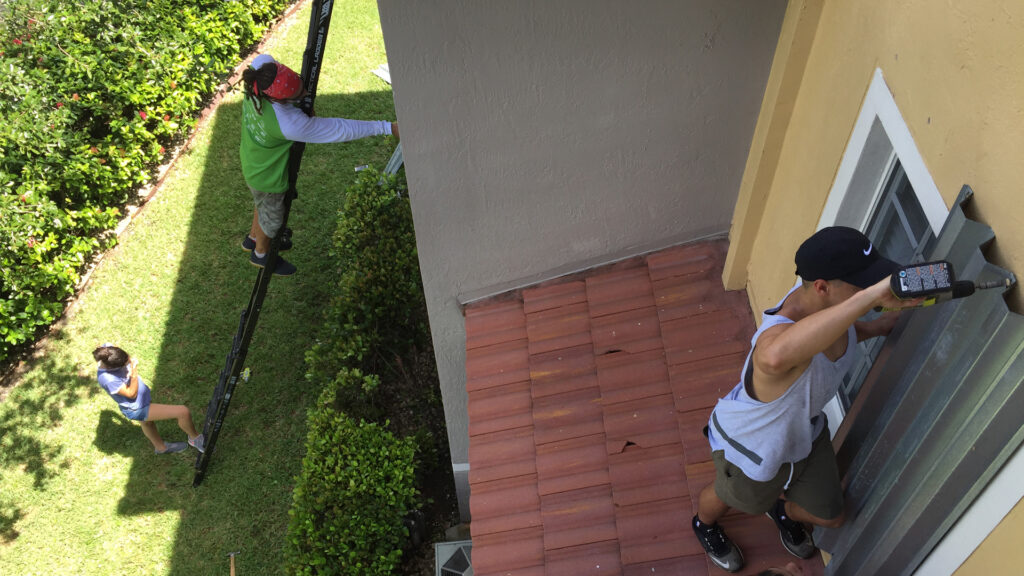
The encouraging news is that Florida has made meaningful progress in recent years. Investments in stronger building codes, improved emergency management capabilities and home-hardening programs are helping reduce vulnerabilities before storms strike.
Programs like My Safe Florida Home that encourage fortified roofs and impact-resistant windows are making homes and communities safer. Studies consistently show that homes built or retrofitted to stronger standards suffer less damage and recover more quickly after major storms.
Still, more can be done.
Homeowners should view resilience upgrades not as optional expenses, but as long-term investments in both safety and affordability. Roof maintenance, storm shutters, routine inspections and even elevating your home can significantly reduce losses. Communities should continue expanding mitigation grant programs and public education efforts so homeowners understand the steps they can take before a storm threatens the state.
Equally important is ensuring Florida maintains a stable and functioning insurance market capable of responding after disasters. That is where reinsurance plays a critical role.
Reinsurance is often described as “insurance for insurance companies,” but its value extends far beyond the industry itself. Reinsurers provide the financial backing that allows insurers to pay claims after catastrophic events. Without strong reinsurance support, insurers would have far less capacity to underwrite hurricane risk, and recovery after storms would become slower and more uncertain for homeowners and businesses alike.
The Bermuda market has long served as a vital partner to Florida in this regard. Bermuda-based reinsurers help absorb catastrophe losses from hurricanes and provide global capital that supports recovery across the state. When devastating storms strike, that capital helps insurers pay claims promptly, rebuild communities and restore economic stability.
Importantly, Florida’s legal reforms enacted in 2023 are beginning to improve confidence in the marketplace. Reforms addressing excessive litigation, assignment of benefits abuse and one-way attorney fees have helped create greater predictability for insurers and reinsurers evaluating Florida risk. Industry observers noted these reforms improved reinsurers’ willingness to continue deploying capacity into the state and reduced fears of major shortages during critical renewal periods.
While these reforms will not lower costs overnight, they represent an important step toward restoring long-term market stability. A more predictable legal and regulatory environment encourages global reinsurers to continue supporting Florida insurers with the claims-paying capital needed after major hurricanes.
Florida remains one of the most important catastrophe markets in the world. The reinsurance industry understands the risks, models them carefully and prepares extensively for hurricane season every year. Reinsurance companies maintain significant capital reserves specifically designed to respond to large-scale natural disasters. That financial strength matters tremendously when communities are rebuilding homes, reopening businesses and restoring livelihoods after a storm.
The Bermuda regulatory regime, overseen by the world-class Bermuda Monetary Authority, is recognized at the highest level as a reciprocal jurisdiction by the National Association of Insurance Commissioners and the United States relies upon Bermuda for over 60% of its reciprocal reinsurers.
No one can control what Mother Nature delivers this hurricane season. But Florida can control how prepared it is to respond and recover. Resilience is built long before a storm makes landfall.
Through stronger homes, smarter mitigation, sound public policy and a healthy partnership between insurers and global reinsurers, Florida can continue strengthening its ability to weather future storms.
John Huff is the president and CEO of the Association of Bermuda Insurers and Reinsurers. Banner photo: U.S. Army Corps of Engineers workers install temporary roofing on homes of Florida Panhandle residents as part of Operation Blue Roof following Hurricane Michael in 2018 (Pfc. Kaleah Fields/CAISE, via Defense Visual Information Distribution Service).
Sign up for The Invading Sea newsletter by visiting here. If you are interested in submitting an opinion piece to The Invading Sea, email Editor Nathan Crabbe.
