


By Carlos Roa
At a gas station in Orange County, Florida, the politics of the Middle East can feel far away … until they aren’t. We are once again in one of those cycles.
As military tensions involving Iran fluctuate, global markets react instantly. Futures move, shipping risk premiums rise and American consumers, who have little control over any of it, end up paying the price.
In Florida, AAA fuel data shows the average price statewide was around $4.04 per gallon on June 1. Some counties even reached nearly $4.44. The average stood at $3.09 a year ago.
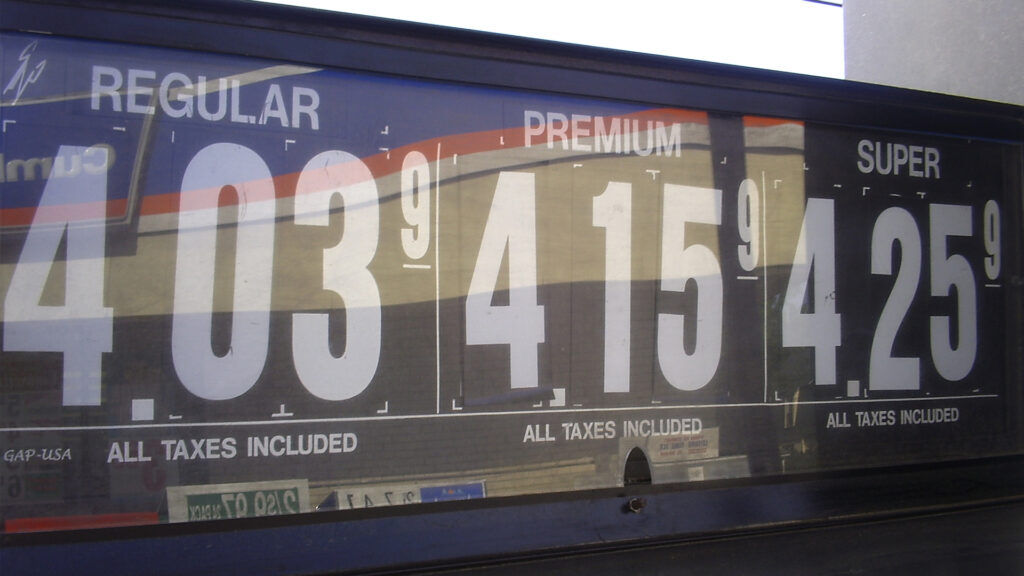
If we can anticipate that geopolitical instability in oil-producing regions will raise prices at home, why do we still treat energy security as something separate from energy sources?
Three years ago, I met Alex Rafalowicz of the Fossil Fuel Non-Proliferation Treaty initiative during Climate Week NYC. In a conversation that stayed with me, he said: “Renewable energies are a hope not only for reducing emissions and protecting biodiversity, but also for decreasing the violence and conflicts associated with fossil fuels.”
What once seemed like an idealistic argument now looks more like a geopolitical one. This is not only about the environment. It is about the economy and national security.
The United States still consumes large amounts of oil, but the structure of that demand is already changing. The U.S. Energy Information Administration has documented a steady decline in gasoline consumption per person.
A more efficient vehicle fleet, hybrid adoption and rising electric vehicle use have reduced fuel demand even as Americans drive more miles. New vehicles now average over 27 miles per gallon, far higher than two decades ago.
The system is already shifting, even if our politics have not fully caught up.
According to the EIA, Texas is first in the nation in wind-generated electricity, and among the leading states in solar energy potential and generation. A significant new share has come from conservative-leaning districts. The reason is not ideological; it is practical.
Renewables, at scale, are increasingly among the cheapest forms of new electricity generation. They bring construction jobs, land lease income for rural property owners and tax revenue for local communities.
This creates a contradiction in American energy politics: While national debates frame energy as identity, local economies are already treating it pragmatically.
Buy local
Even if fossil fuels remain part of the mix for decades, their ability to dominate price shocks is already weakening due to diversification. When energy demand is spread across multiple sources, disruptions in one part of the system have less power over the whole. That is basic economics.
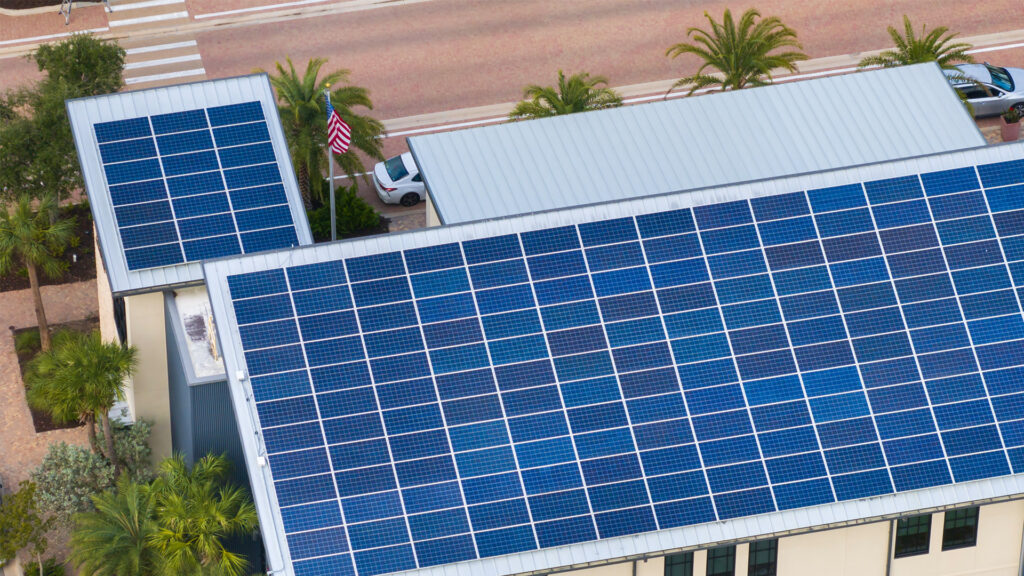
Unlike oil, green energy is produced on site. It does not depend on extraction from a single volatile region. It does not require transcontinental shipping through strategic chokepoints.
And yet, the United States still behaves as if the only path to energy security is increasing fossil fuel production. It matters, but it does not eliminate global exposure. Oil is still priced on a global market. Renewable energies are not.
The goal should be that a strait on the other side of the world affects as little as possible what it costs to turn on the lights in North Miami.
Also, if there is one thing Americans can agree on, it is that we do not want more wars. Transitioning to renewable energy can help advance that goal. This is a practical way to walk the talk.
Beyond zero-sum thinking
Meanwhile, global competition is accelerating. China has moved aggressively to dominate clean energy manufacturing, controlling large portions of solar panel production, battery supply chains and electric vehicle output. It shows strategy and foresight, since energy is not just fuel. It is power.
The reality is that the energy transition is already happening, with or without us. The question is not whether renewables will expand globally, but who will build them, who will profit from them and who will set the rules.
For the United States, this is not a call to abandon fossil fuels overnight. It is a call to widen the frame.
Energy security is often mistaken for energy production. But security also comes from insulation from price spikes, from geopolitical disruptions, from bottlenecks like Hormuz that can translate distant conflict into local stress.

Renewables do not eliminate global risk, but they diversify it. That matters in a country where voters consistently rank inflation and affordability as top concerns.
There is a tendency in America to treat energy as a zero-sum fight: oil versus wind, tradition versus innovation, realism versus idealism. But on the ground, the reality is blended.
This moment is a reminder that systems built on concentration risk behave exactly as systems built on concentration risk behave.
Florida does not lose its identity by adding solar capacity; in fact, it may reinforce it. And American energy strength does not have to depend on a single global pressure point that repeatedly feeds instability back into our economy.
So, the question is whether a more diversified energy system makes the U.S. less exposed to geopolitical shocks we neither control nor contain. That could also mean peace of mind for Americans.
Carlos Roa is a journalist with experience in media and public affairs. He can be reached at carlosroa1@gmail.com. The original version of this article was published by the Pittsburgh Post-Gazette. Banner photo: A gas pump (iStock image).
Sign up for The Invading Sea newsletter by visiting here. If you are interested in submitting an opinion piece to The Invading Sea, email Editor Nathan Crabbe.
