


By Trimmel Gomes, Florida News Connection
A bipartisan bill introduced in Congress would create a national wildlife corridor system, building on Florida’s model to help panthers, bears and other species survive.
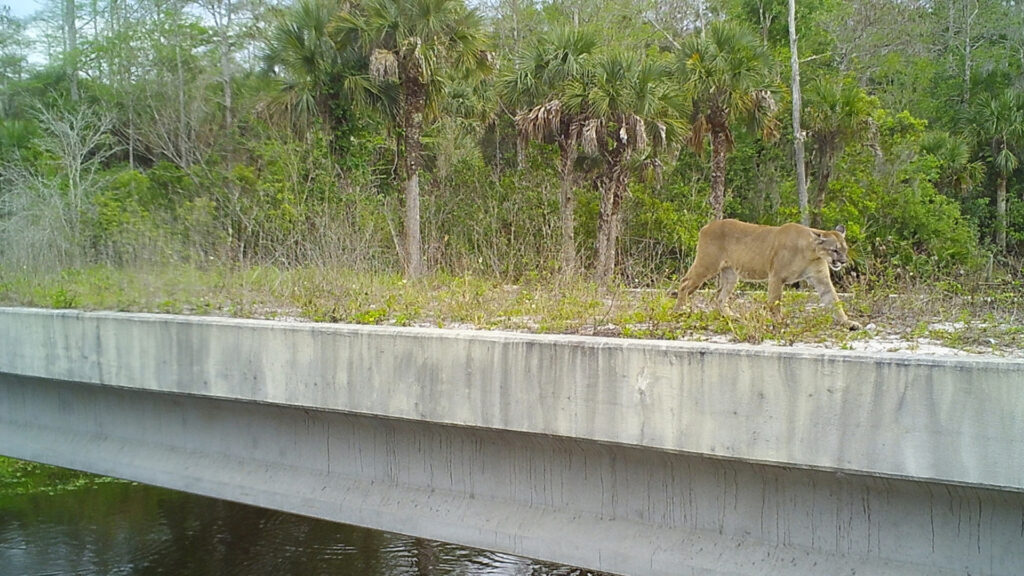
Wildlife advocates said Florida panthers need connected landscapes to survive, disperse and maintain genetic diversity but roads and development have created deadly bottlenecks, with vehicle collisions remaining a leading cause of death.
Kelly Cox, senior policy and planning specialist for the advocacy group Defenders of Wildlife, said connectivity is critical for the Florida panther.
“Connectivity is not really a theoretical concept,” Cox contended. “It’s the difference between survival and extinction. The Florida panther is a really clear example of why corridors matter.”
The Wildlife Corridors and Habitat Connectivity Conservation Act would create a national wildlife corridor system across federal lands, requiring agencies to coordinate rather than plan in isolation.
Scientists estimate corridors can increase wildlife movement between habitat areas by at least 50%. The Florida Wildlife Corridor Act has set the national standard for corridor policy and the federal bill would scale the model nationwide.
Cox pointed out habitat fragmentation, driven by roads, development and mismatched land management, is a leading driver of wildlife decline. She stressed the science is clear: Corridors work.
“Corridors can increase wildlife movement by about 50%, and we know that they are proven to improve species persistence,” Cox reported. “We just need the right place and the right time and the political will and capital to move this forward.”
Rep. Vern Buchanan, R-Fla., is a co-sponsor of the bill, reflecting bipartisan support.
About 40% of America’s animals are at risk of extinction, with habitat loss and fragmentation among the leading drivers. The bill would create a coordination committee for federal agencies, states and tribes, and establish a durable legal framework for wildlife corridors. Defenders of Wildlife called the legislation “game-changing” for wildlife conservation.
Florida News Connection is a bureau of the Public News Service. Banner photo: A Florida panther at Florida Panther National Wildlife Refuge (George Gentry/U.S. Fish and Wildlife Service, Public domain, via Wikimedia Commons).
Sign up for The Invading Sea newsletter by visiting here. If you are interested in submitting an opinion piece to The Invading Sea, email Editor Nathan Crabbe.
