


By Holden Earl Harris
If you live in Florida and love seafood, here’s something you should know: U.S.-caught seafood is among the most sustainable in the world. That’s not by accident — it’s the result of decades of science-based fisheries management.
But now, the science behind that success is under threat by federal cuts to the National Oceanic and Atmospheric Administration (NOAA). The proposed 2026 budget for NOAA includes significant cuts, primarily targeting research and climate-related programs.
Gutting NOAA’s science programs threatens America’s seafood supply, hurricane preparedness and coastal economies — a reckless move that weakens our nation’s safety, food security and global leadership.
First, let me address our fish supply. By congressional mandate, the Magnuson-Stevens Act requires that U.S. fisheries stocks are healthy as evaluated by the best available science. Since the nation implemented science-based fishery management plans, more than 50 fish stocks have been rebuilt.
Today, 94% of U.S. federally managed stocks are not overfished, generating over $320 billion per year. Meanwhile, many fisheries around the globe are in decline or have collapsed.
Due to this success, the U.S. is recognized as a global leader in maintaining sustainable fisheries. Our management system relies on rigorous stock assessments that quantify fisheries populations. These critical evaluations for fisheries, marine habitats and protected species are conducted by scientists at NOAA.
This loss of expertise threatens the health of American seafood production, potentially increasing reliance on foreign imports.
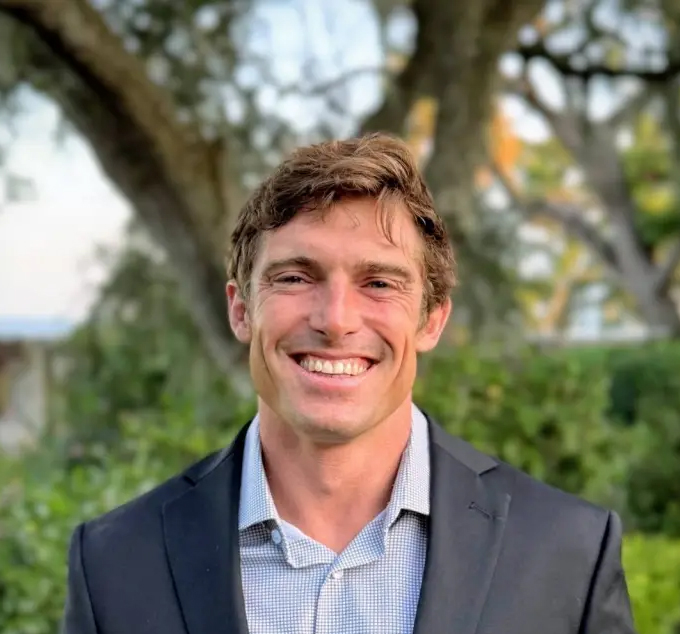
I’m a former NOAA fishery scientist in Miami, assigned to the Southeast Fisheries Science Center. In February, I was fired along with over 880 new, “probationary” employees.
My job was to support fishery management councils in the South Atlantic, Gulf and U.S. Caribbean. We worked hand-in-hand with fishermen, managers and local communities to improve ecosystem-based management of our fish stocks.
Our research directly aligned with the April 2025 Executive Order calling for the modernization of fisheries data and management in response to real-time ocean conditions.
America invested in scientists like me. My doctorate was funded by a competitive National Science Foundation fellowship. I was proud to give back as a federal scientist.
Today, among my four part-time and consulting jobs, I sell frozen chocolate bananas on the beach in Jacksonville Beach. That cannot be the best return on taxpayer investment. But this isn’t just about me — or even just fisheries.
NOAA’s ocean services are at risk. These support navigation safety, predicting coastal flooding, tracking water quality, managing harmful algal blooms and combating invasive species.
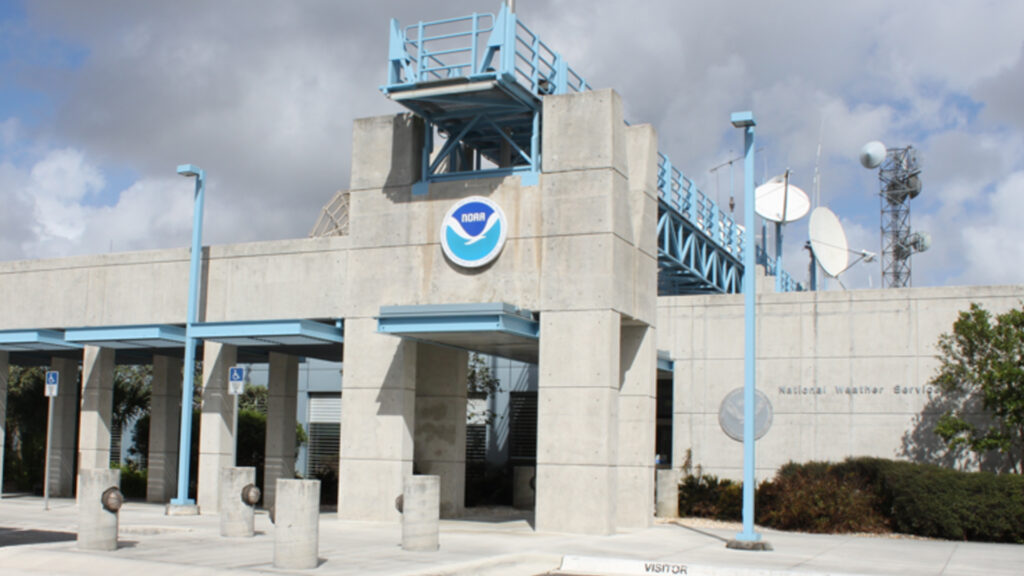
Cuts at NOAA’s Ocean Service will reduce capacity for ecosystem monitoring, coral restoration and navigation safety improvements.
The National Weather Service is also at risk. It’s not just about losing meteorologists; it’s about losing the data and research enterprises that underpin weather forecasting. NOAA satellite programs provide high-resolution data on atmospheric and ocean conditions to inform daily simulations run on NOAA supercomputers. Fortunately, some meteorologists are being hired back.
These efforts have drastically improved predictions of hurricane tracks and intensification. Today, NOAA’s five-day hurricane forecasts are as accurate as its one-day forecasts were when Hurricane Andrew hit Miami in 1992. Some cuts seek to dissolve the Office of Oceanic and Atmospheric Research. Losing research enterprises will result in data gaps and less timely forecasts.
If you’re concerned, contact your congressional representative. Tell them to provide NOAA with the resources it needs and to value NOAA scientists for the service they provide to our country.
Holden Earl Harris was a research fishery biologist with NOAA’s Southeast Fisheries Science Center in Miami. This opinion piece was originally published by the Miami Herald, which is a media partner of The Invading Sea. Banner photo: A NOAA diver encounters a school of black jacks over a coral reef (NOAA Fisheries, Public domain, via Wikimedia Commons).
Sign up for The Invading Sea newsletter by visiting here. To support The Invading Sea, click here to make a donation. If you are interested in submitting an opinion piece to The Invading Sea, email Editor Nathan Crabbe at ncrabbe@fau.edu.
