


By Tom Caffery, Third Act Florida
The Florida Public Service Commission needs reform. From my perspective, the PSC is operating for the benefit of the utilities it regulates and their shareholders, as well as the major corporate clients served by the utilities.
The everyday resident customers of the utilities have little power over the franchise agreements by which they are served, effectively giving the utility a monopoly. Customers were mostly locked out of the secret meetings where recent rate increases were negotiated with Florida Power and Light (FPL). As the saying goes, “If you are not at the table, you are on the menu.”
In a further insult, our consumer representative to the PSC, the Office of Public Counsel, was also locked out of the secret negotiations with FPL. There were no transcripts available, so our only recourse is to sue in state courts.
The PSC is an agency that has effectively been captured by its regulated utility companies. The governor appoints the five members of the PSC and they do his bidding, and by extension, serve the investor-owned utility companies that they regulate. The companies make huge campaign contributions, either directly or by dark-money industry groups and PACs, to the governor and influential lawmakers.
Of the rate increases recently negotiated for FPL, it was reported that nearly 50% went to stockholder dividends and federal income taxes. And these utility companies operate in a no-risk environment, as all of their costs (including storm recovery) are paid in full by their customers’ monthly electric bills. The cost of the fossil fuels is also passed on directly to the customers (but without profit added).
FPL’s “return on equity,” a measure of profitability, is proposed at 11%, while the national average is 9.6%. Sound fishy to you? Some argue that it should be much closer to the zero-risk return of about 5%. The profit margin built into this “base rate” case appears indefensibly high, even if the base represents only about half of the typical monthly bill.
As bad as the situation is with PSC, the state has also allowed our investor-owned utilities in Florida to backtrack on their commitments to clean energy over the past few years. An annual report by the Sierra Club titled “The Dirty Truth Report” has awarded an “F” grade to both FPL parent company NextEra Energy and Duke Energy Florida for their plans to transition to clean energy.
So, what can we do? The PSC has scheduled public hearings on the FPL rate increase in Tallahassee from Oct. 6-17. You can watch these meetings virtually, and see who is scheduled to testify, in the agenda to be published at https://www.floridapsc.com/watch-archive-psc-events. We can all write the PSC commissioners at FloridaPSC.com to offer support for the Office of Public Counsel or any other related matters.
Reforms to the PSC failed to pass the Florida Legislature this year but could be considered again in the next session. Let’s appeal to our state legislators to put the “public service” back into the PSC!
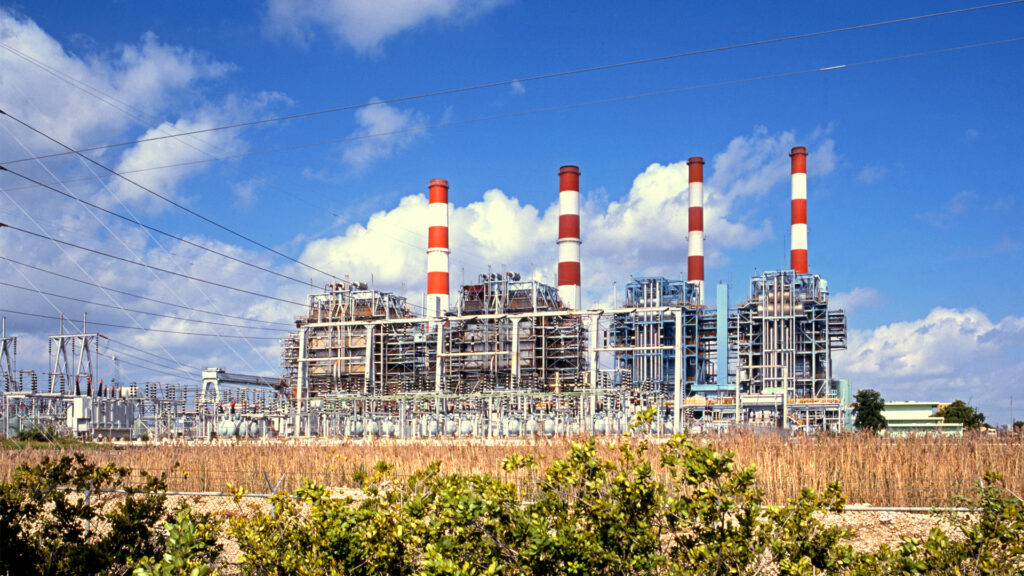
Tom Caffery is a retired civil engineer, with almost 50 years of practice, who has lived in Florida since 1978. He is active in environmental causes, recently with Third Act in Florida and its Power Up Communities national team. Banner photo: An electric substation in Florida (iStock image).
Sign up for The Invading Sea newsletter by visiting here. To support The Invading Sea, click here to make a donation. If you are interested in submitting an opinion piece to The Invading Sea, email Editor Nathan Crabbe at ncrabbe@fau.edu.

Don’t believe a word…………