


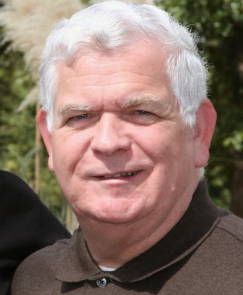
By Don Brown, former Florida state representative
Two years ago, Florida lawmakers promised relief for homeowners crushed under skyrocketing insurance premiums. They made significant legal reforms that have resulted in both new insurers entering the market and old insurers returning to the state. Additionally, rate increases have stabilized, declining into the single digits for many policyholders.
However, as a recent column by Scott Maxwell of the Orlando Sentinel points out, while rate increases are not as high, they have still continued to climb for nine straight quarters, hurting homeowners’ pocketbooks and resulting in some people leaving the state entirely. Meanwhile, the state refuses to tell consumers which insurers failed its annual “catastrophe stress tests,” leaving families in the dark about whether their claims would be paid if disaster struck.
The frustration is justified. Floridians are, in general, paying more, getting less and feeling helpless any time they need to file an insurance claim. But while the column captures the anger of homeowners, it stops short of any real solutions. What Florida needs isn’t rage-baiting headlines, it’s tangible change that homeowners can feel in their pocketbooks

In my book “Drowning in Denial: Behavioral Economics and Coastal Insurance Markets,” I argued that Florida’s property insurance market is struggling because of three main issues: significant coastal exposure, behavioral biases that distort decisions and overreliance on post-disaster borrowing instead of pre-disaster capital.
According to Cotality (formerly CoreLogic), Florida alone accounts for more than $3 trillion in insured coastal property — by far the largest concentration of risk in the United States. When a hurricane strikes, losses are measured not in millions, but in tens or hundreds of billions. No market can absorb this much exposure without significant premiums. Pretending otherwise leads to suppressed rates, insurer insolvencies and the eventual need for taxpayer bailouts.
Even when affordable coverage is available, homeowners routinely underinsure. Behavioral economics explains why. Research shows that 78% of Floridians are underinsured, often trying to save $3 to $5 a day by reducing coverage. The decision feels rational in the moment but is catastrophic when a hurricane destroys a roof or floods a home.
Psychologists call this “present bias” — overvaluing short-term savings to be able to purchase other things while undervaluing long-term security. Add “optimism bias” (the belief that bad things happen to others but not to me) and “status quo bias” (the tendency to stick with the same inadequate coverage year after year), and the result is predictable: widespread underinsurance, followed by widespread financial ruin for these policyholders after storms.
Additionally, Florida has leaned too heavily on borrowing after disasters rather than funding reserves in advance. The Florida Hurricane Catastrophe Fund (FHCF) and Citizens Property Insurance Corp. often rely on issuing billions in bonds after storms to pay claims. That means today’s premiums are subsidized by tomorrow’s debt.
Instead, Florida needs to address the real drivers of cost — building codes, coastal development and litigation abuse. Florida cannot keep expanding development into the most storm-prone areas without expecting astronomical losses.
We should also continue to incentivize homeowners who install hurricane shutters, elevate homes or reinforce roofs. We can also make this easier on lower-income Floridians by instead of asking homeowners to pay $3,000 upfront for mitigation, offer $30 monthly installments. Research shows adoption rates increase more than 300% under that structure.
Florida should also look to prefund catastrophe risk with capital. The FHCF can accumulate reserves in calm years rather than leaning on bonds after storms. Every dollar borrowed post-event costs Florida families more in the long run.
Florida homeowners are right to be angry. They are paying more and getting less when they file claims. However, anger alone won’t solve this crisis. The real path forward is principle-based reform. That means facing the uncomfortable truth that Florida’s risk is not going away, that behavioral biases make underinsurance the default choice and that post-storm borrowing is unsustainable. It means building a market where risk is priced honestly, mitigation is rewarded, transparency is non-negotiable and resilience — not denial — is the organizing principle.
Don Brown is a former state representative who served as chair of the Florida House Insurance Regulation Subcommittee and is the author of “Drowning in Denial: Behavioral Economics and Coastal Insurance Markets.” This opinion piece was originally published by the Orlando Sentinel, which is a media partner of The Invading Sea. Banner photo: St. Petersburg homes destroyed by storm surge from Hurricane Milton in 2024 (iStock image).
Sign up for The Invading Sea newsletter by visiting here. To support The Invading Sea, click here to make a donation. If you are interested in submitting an opinion piece to The Invading Sea, email Editor Nathan Crabbe at ncrabbe@fau.edu.
